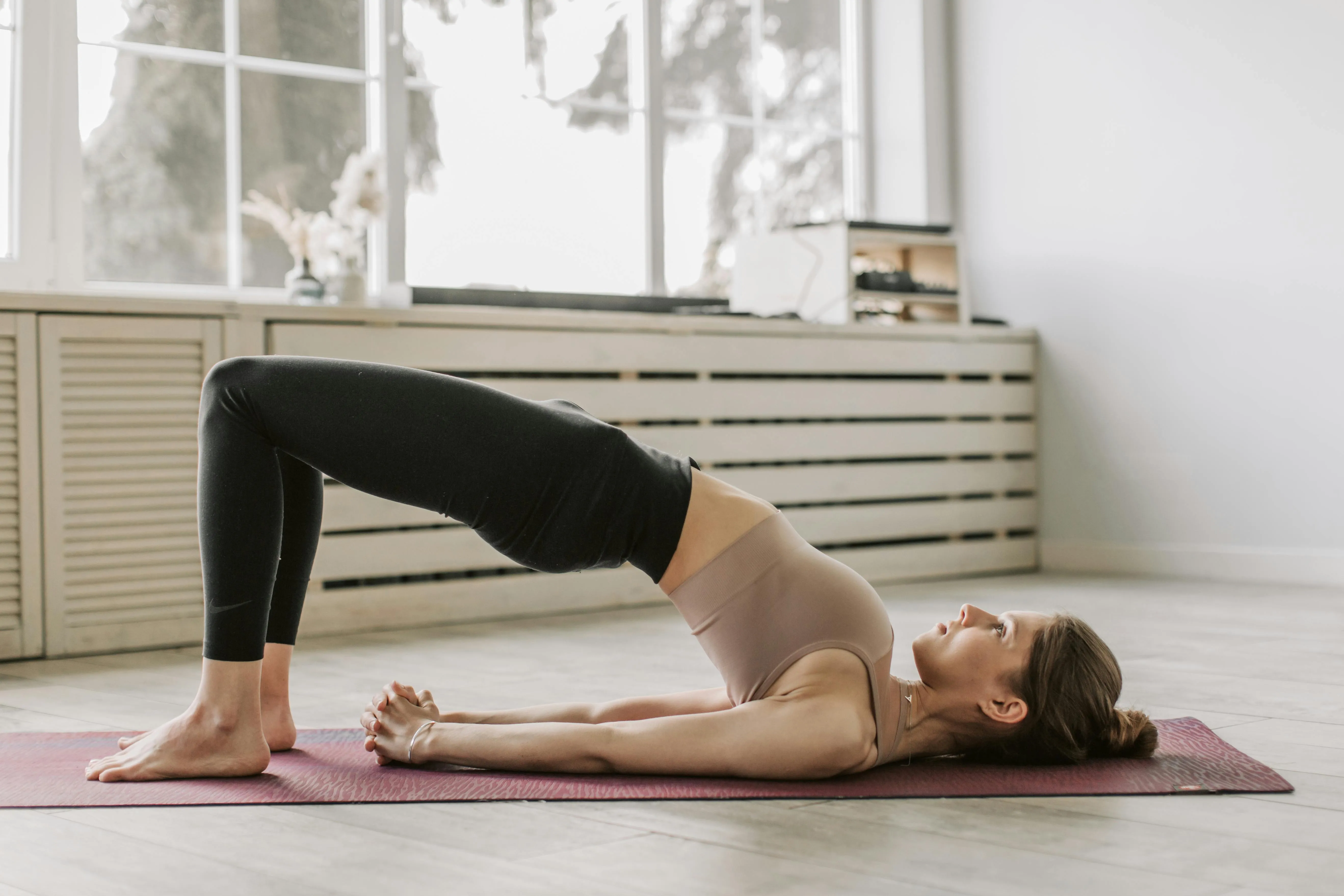
Yoga for Beginners: A Complete Guide to Getting Started
Getting Started with Yoga for Beginners
Yoga for beginners is an accessible way to improve your physical health, mental clarity, and overall well-being. Whether you're looking to reduce stress, build strength, or find inner peace, this ancient practice offers something for everyone.
Many people hesitate to start because they think yoga requires flexibility or years of experience. This is a common misconception. Yoga is a personal practice that meets you where you are right now. Your only requirement is a willingness to show up on your mat.
Starting yoga for beginners doesn't require expensive equipment or a fancy gym membership. You can begin in your living room with just a mat and an open mind. The journey of a thousand miles begins with a single downward dog.
Benefits of Yoga for Your Body and Mind
The practice of yoga for beginners offers transformative benefits that extend far beyond the physical realm. Here's what you can expect:
- Improved Flexibility: Gentle stretching increases your range of motion over time
- Enhanced Strength: Holding poses builds lean muscle and improves core stability
- Better Balance: Standing poses develop proprioception and coordination
- Stress Relief: Breathwork and meditation calm the nervous system
- Increased Energy: Regular practice boosts circulation and oxygen flow
- Better Sleep: Evening yoga sessions promote deeper, more restful sleep
- Mental Clarity: Meditation components sharpen focus and concentration
- Pain Management: Yoga can alleviate chronic pain and improve posture
These benefits accumulate with consistent practice. You might notice improvements in your mood after just one session, while physical changes develop over weeks and months.
Essential Beginner Yoga Poses to Master
When starting yoga for beginners, mastering foundational poses builds confidence and prevents injury. Here are the most important ones to learn:
Standing Poses
- Mountain Pose (Tadasana): The foundation of all standing poses, grounding your feet and lengthening your spine
- Child's Pose (Balasana): A restful pose that stretches your hips and calms your mind
- Cat-Cow Stretch: Mobilizes your spine and warms up your entire body
- Downward-Facing Dog (Adho Mukha Svanasana): Stretches hamstrings, shoulders, and calves while building arm strength
Seated Poses
- Seated Forward Fold: Gently lengthens your hamstrings and lower back
- Butterfly Pose: Opens your hips and improves flexibility
- Corpse Pose (Savasana): The final relaxation pose that completes every practice
Each pose can be modified to suit your current ability level. Never push yourself into pain. Listen to your body and use props like blocks, blankets, and straps to make poses more accessible.
Creating Your Perfect Yoga Practice Space
Your environment significantly impacts your yoga experience. You don't need much, but thoughtful setup helps you succeed.
Essential Equipment
- Yoga Mat: Provides cushioning and traction for your poses
- Props: Blocks, straps, and bolsters modify poses for all levels
- Comfortable Clothes: Wear anything that allows full movement
- Water Bottle: Stay hydrated throughout your practice
Space Considerations
Find a quiet, clean area with enough room to lie down and extend your arms. Natural light is ideal, but any well-lit space works. Temperature matters too—keep your space comfortably warm since your body cools during practice.
Minimize distractions by turning off your phone, closing the door, and letting others know you need uninterrupted time. Even fifteen minutes of focused practice in a dedicated space yields significant benefits.
Consider playing soft background music or nature sounds to enhance your experience. Many people find instrumental music, nature recordings, or simple silence equally effective.
Tips for Success in Your Yoga for Beginners Journey
Starting any new practice requires intention and consistency. These strategies ensure you build a sustainable yoga habit:
- Start Slow: Begin with 10-15 minute sessions and gradually increase duration
- Practice Regularly: Three times weekly is ideal for beginners; consistency beats intensity
- Follow a Class: Use online platforms like YouTube, apps, or in-person classes for guidance
- Don't Compare: Your yoga is perfect for your body; avoid comparing yourself to others
- Breathe Intentionally: Focus on deep, steady breathing (pranayama) throughout practice
- Be Patient: Benefits develop gradually; trust the process and celebrate small wins
- Listen to Your Body: Modify poses as needed and never push through sharp pain
- Set an Intention: Begin each session with a personal goal or affirmation
Many beginners feel intimidated walking into a yoga class. Remember that every experienced yogi started exactly where you are now. Yoga for beginners is judgment-free and designed for exactly this stage of your journey.
Creating Sustainable Habits
The key to long-term success is making yoga part of your routine. Schedule your practice like any important appointment. Morning sessions energize your day, while evening practice promotes relaxation and better sleep.
Track your progress in a journal. Note how you feel before and after practice, which poses challenge you, and improvements you notice. This awareness deepens your connection to your practice.
Consider finding an accountability partner or online community. Sharing your journey with others provides motivation and support on days when your practice feels challenging.
Starting yoga for beginners is one of the best gifts you can give yourself. With patience, consistency, and self-compassion, you'll discover a practice that transforms your body, mind, and spirit. Your mat awaits—step onto it today.
Stay Inspired
Get a daily dose of positivity delivered to your inbox.