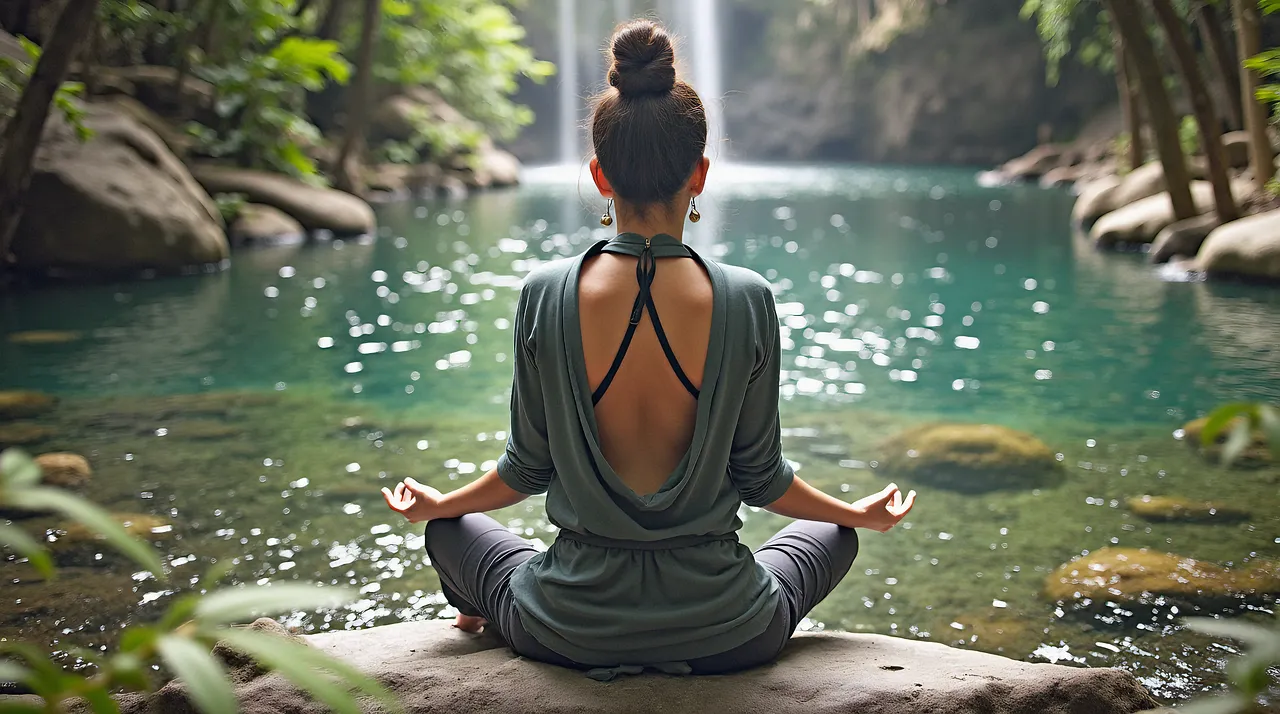
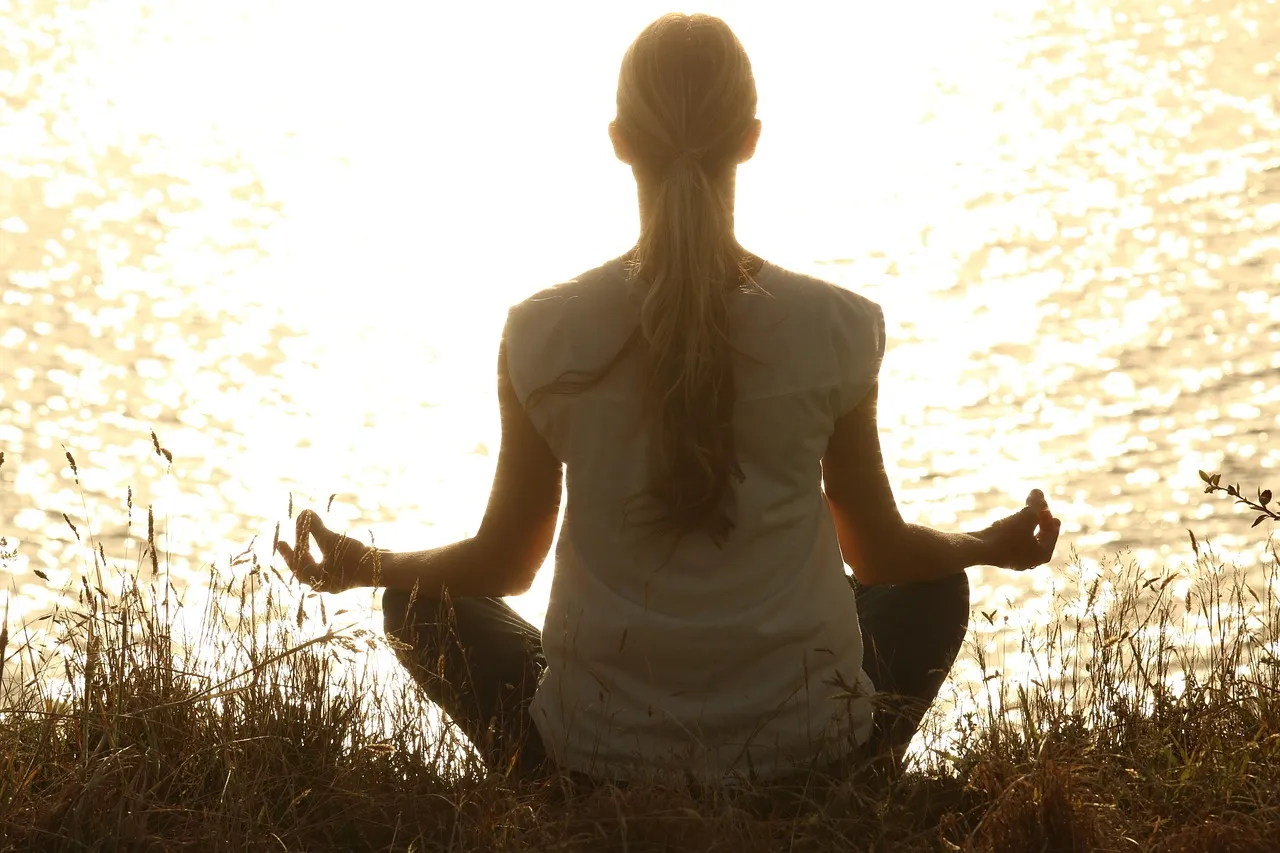
Meditation for Beginners: A Complete Guide to Starting Your Practice
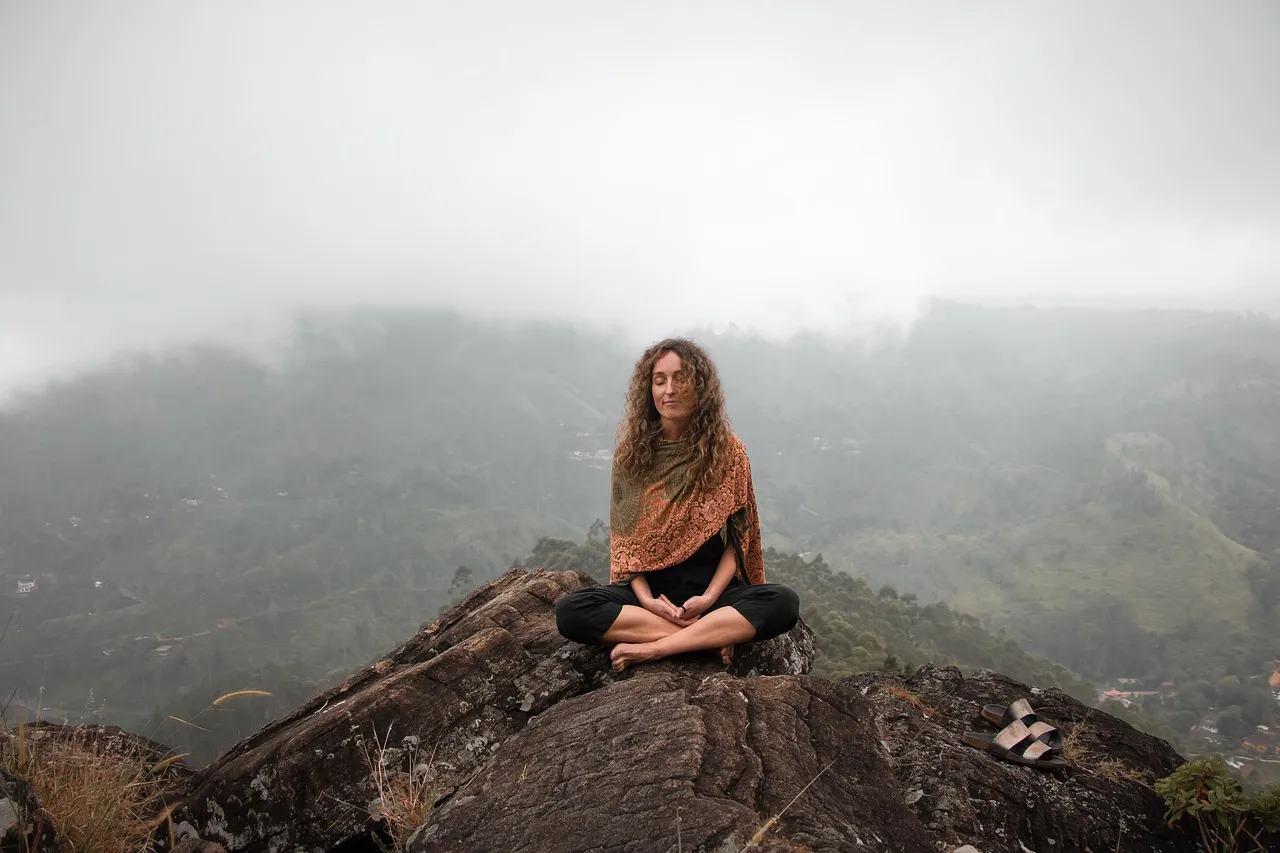
Understanding Meditation for Beginners
Meditation for beginners is simpler than you might think. It's not about emptying your mind or achieving a special state—it's about training your attention and building awareness. When you start with the fundamentals, you'll find that meditation becomes a natural part of your daily routine.
Many people believe meditation requires years of experience or special abilities. The truth is, anyone can begin meditating today, regardless of age, background, or previous experience. This practice focuses on foundational techniques that are easy to understand and implement immediately.
Why Practice Meditation Today
The benefits of starting meditation for beginners extend far beyond simple relaxation. Research shows that consistent practice can transform both your mental and physical wellbeing.
- Stress reduction: Meditation activates your parasympathetic nervous system, helping your body relax
- Improved focus: Regular practice strengthens your attention span and concentration
- Better sleep: Evening meditation can help you fall asleep faster and sleep more deeply
- Emotional clarity: You'll develop better understanding of your emotions and responses
- Increased self-awareness: Meditation helps you observe your thoughts without judgment
- Lower blood pressure: Studies show meditation can reduce hypertension
These benefits don't require months of practice. Many people notice improvements within their first week of consistent effort.
Getting Started with Your Practice
Beginning a meditation practice requires minimal preparation. Here's what you need:
- A quiet space where you won't be disturbed
- A comfortable place to sit (chair, cushion, or mat)
- Just 5-10 minutes of your time
- An open mind and patience with yourself
The beauty of this practice is that you don't need expensive equipment, special clothing, or a dedicated meditation room. Your bedroom corner, living room, or even a park bench works perfectly.
Start small. Commit to just 5 minutes daily for your first week. As you become comfortable, gradually extend your sessions to 10, 15, or 20 minutes. Consistency matters more than duration.
Essential Meditation Techniques
Here are the most effective meditation techniques to begin with:
Breath Awareness Meditation
This is the simplest technique to start with:
- Sit comfortably with your back straight
- Close your eyes or soften your gaze
- Notice your natural breath without trying to change it
- Count each exhale from 1 to 10, then start again
- When your mind wanders, gently return to counting
Your mind will wander—that's completely normal. Each time you notice and return your attention, you're strengthening your meditation practice.
Body Scan Meditation
This technique helps you connect with physical sensations:
- Lie down or sit comfortably
- Starting at your toes, mentally scan each body part
- Notice any sensations without judgment
- Move slowly upward through your legs, torso, arms, and head
Loving-Kindness Meditation
This practice cultivates compassion and positivity:
- Sit comfortably and bring to mind someone you care about
- Silently repeat phrases like "May you be happy, may you be healthy"
- Extend these wishes to yourself, neutral people, and even difficult people
Creating Your Meditation Space
While you can meditate anywhere, having a dedicated space encourages consistency. Your meditation area should be:
- Quiet: Minimize distractions and interruptions
- Comfortable: Use cushions or chairs that support good posture
- Clean: A tidy space promotes mental clarity
- Calming: Consider soft lighting, plants, or simple decorations
- Temperature-controlled: Too hot or cold disrupts focus
You might add a meditation cushion, a yoga mat, or blanket for comfort. Some practitioners find soft background music helpful, while others prefer silence. Experiment to discover your preference.
Overcoming Common Challenges
Most people encounter similar obstacles. Here's how to address them:
Racing Thoughts
Challenge: "My mind won't stop thinking—I'm doing it wrong."
Solution: Thoughts are normal. Your mind's job is to think. During meditation, you're practicing noticing thoughts and returning to your focus point. This is the practice itself, not a distraction from it.
Physical Discomfort
Challenge: "I'm uncomfortable sitting still."
Solution: Adjust your posture, use more cushions, or try a different position. You can meditate while lying down, sitting in a chair, or even walking.
Lack of Progress
Challenge: "I don't feel any different yet."
Solution: Benefits develop gradually. Trust the process and maintain consistency. Many practitioners report noticing changes around the two-week mark.
Staying Consistent
Challenge: "I keep forgetting to meditate."
Solution: Link meditation to an existing habit. Meditate right after your morning coffee, before lunch, or before bed. Use phone reminders for the first month.
Starting meditation for beginners is an act of self-care. Be patient and compassionate with yourself as you develop this valuable habit. The practice of showing up—even for just five minutes—is what matters most. Your journey toward greater peace and awareness begins today.
"Stay Inspired
Get a daily dose of positivity delivered to your inbox.