How to Meditate for Beginners: A Complete Guide

Understanding Meditation for Beginners
Meditation is a practice that has been used for thousands of years to cultivate mental clarity, emotional balance, and inner peace. If you're wondering how to meditate for beginners, you're taking an important step toward improving your well-being.
Many people think meditation is complicated or requires special skills. The truth is, anyone can meditate, and it doesn't require any special equipment or experience.
This guide will walk you through everything you need to know to start your meditation journey with confidence and ease.
The Benefits of Starting a Meditation Practice
Before diving into how to meditate for beginners, it's helpful to understand why meditation is worth your time and energy.
- Reduced stress and anxiety: Regular meditation helps calm your nervous system and lower cortisol levels naturally
- Improved focus and concentration: Meditation trains your mind to stay present and attentive throughout the day
- Better sleep quality: A consistent practice can help you fall asleep faster and sleep more deeply
- Enhanced self-awareness: Meditation helps you understand your thoughts and emotions better
- Emotional resilience: You'll develop greater patience and compassion for yourself and others
- Lower blood pressure: Studies show meditation can reduce hypertension naturally
These benefits often show up quickly, even with just a few minutes of daily practice.
Getting Started: How to Meditate for Beginners
Now let's explore the practical steps for how to meditate for beginners. Follow these simple instructions to begin your meditation practice today.
Find Your Quiet Space
Choose a comfortable location where you won't be disturbed. This could be a corner of your bedroom, a quiet park, or even your car during lunch break.
Make sure the temperature is comfortable and the lighting is soft. You can use cushions or a meditation bench to support your posture.
The space should feel welcoming and peaceful to you.
Choose Your Position
You don't need to sit in an exotic yoga pose. Common positions include:
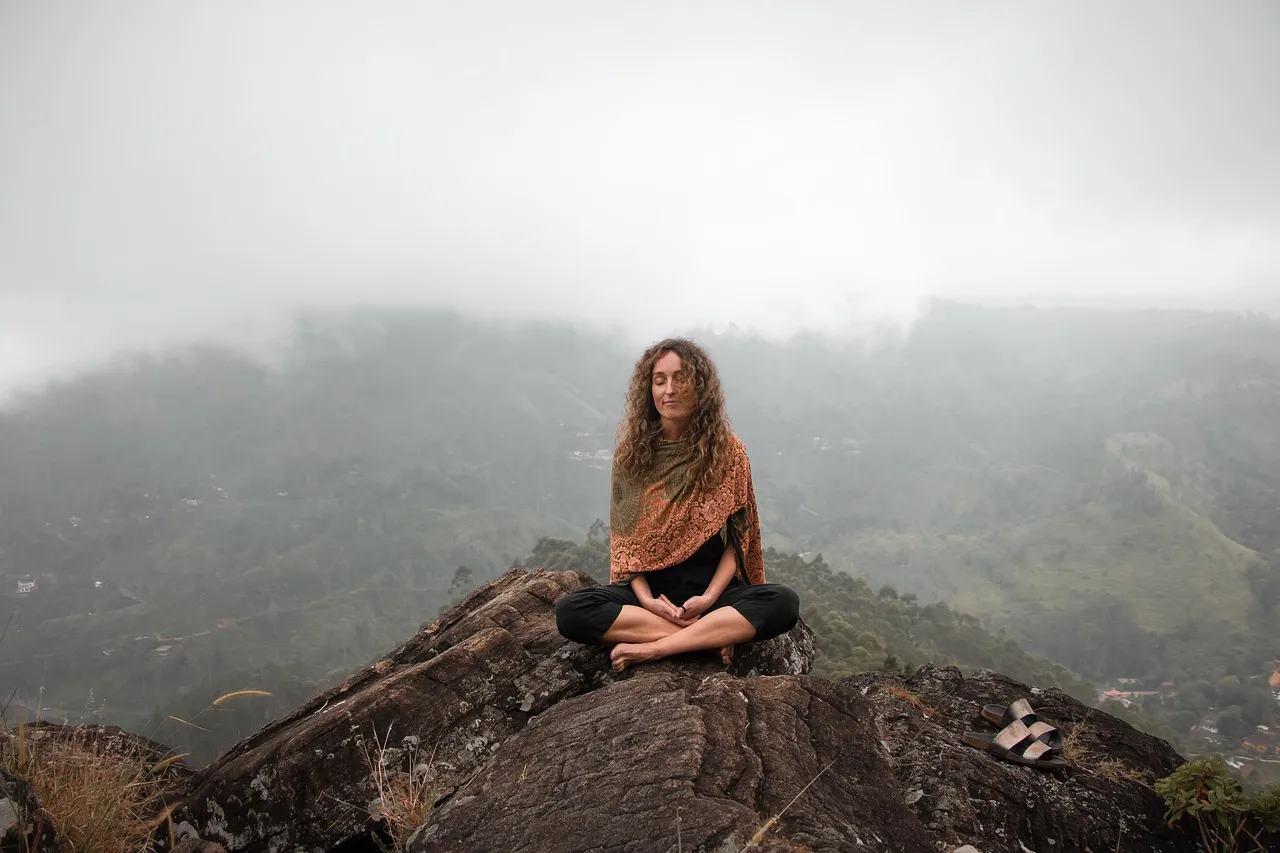
- Sitting cross-legged on a cushion
- Sitting upright in a chair with feet flat on the ground
- Kneeling with a cushion between your legs and feet
- Lying down flat on your back
The best position is one where you feel alert but relaxed. Your body should be comfortable enough that you can focus on your mind.
Set a Time Limit
Start small. Even five to ten minutes of meditation is valuable when you're beginning. As you become more comfortable, gradually increase your practice time to 15, 20, or 30 minutes.
Pick a consistent time each day, like morning or evening, to build the habit. Consistency matters more than duration.
Focus on Your Breath
Close your eyes gently and bring your attention to your natural breathing. Don't try to change how you breathe—just observe it.
Notice the sensation of air entering your nostrils, moving through your body, and leaving again.
When your mind wanders (and it will), gently guide your attention back to your breath without judgment. This is completely normal and part of the practice.
Common Mistakes When Learning How to Meditate for Beginners
Understanding what to avoid will help you build a stronger practice faster and stay motivated.
Expecting Immediate Results
Meditation is a practice, not a performance. Benefits develop over time, not after a single session. Be patient with yourself and trust the process.
Sitting with Perfect Posture
Your spine should be naturally upright, but tension in your shoulders or lower back will distract you. Adjust as needed for comfort.
A relaxed body supports a calm mind.
Fighting Your Thoughts
Your goal isn't to stop thinking or to achieve a blank mind. Instead, you're practicing awareness of your thoughts without getting caught up in them.
Think of your mind like the sky and your thoughts like clouds—you observe them passing by.
Giving Up Too Soon
Many beginners quit after a week or two. Give yourself at least 30 days of consistent practice before evaluating the results.
Practicing in a Distracting Environment
While you can eventually meditate anywhere, beginners need quiet, calm spaces to develop their focus.
Building Your Long-Term Meditation Practice
Once you've learned the basics of how to meditate for beginners, these tips will help you maintain consistency and deepen your experience.
Create a Routine
- Meditate at the same time each day to build the habit automatically
- Link meditation to an existing habit, like after your morning coffee or shower
- Set a daily reminder on your phone until it becomes automatic
- Prepare your meditation space the night before
Track Your Progress
Keep a simple journal noting the date, duration, and how you felt after meditating. This creates accountability and helps you notice positive changes over weeks and months.
Explore Different Techniques
Once you're comfortable with basic breath meditation, try:
- Guided meditations using apps or YouTube videos for structure
- Body scan meditation to develop body awareness and release tension
- Loving-kindness meditation to cultivate compassion and gratitude
- Visualization to imagine peaceful scenarios and positive outcomes
Join a Community
Consider joining a meditation group, class, or online community. Having support makes it easier to stay committed to your practice.
Many communities offer free resources and encouragement.
Be Flexible and Forgiving
If you miss a day, don't give up. Simply return to your practice the next day without guilt or judgment.
Progress isn't linear, and that's okay.
Learning how to meditate for beginners is one of the most valuable investments you can make in your mental health and well-being. Start small, stay consistent, and be patient with yourself. Within weeks, you'll likely notice improvements in your stress levels, sleep quality, and overall happiness.
Stay Inspired
Get a daily dose of positivity delivered to your inbox.