How to Start Meditation Practice: A Beginner's Guide to Inner Peace
Understanding Meditation and Its Benefits
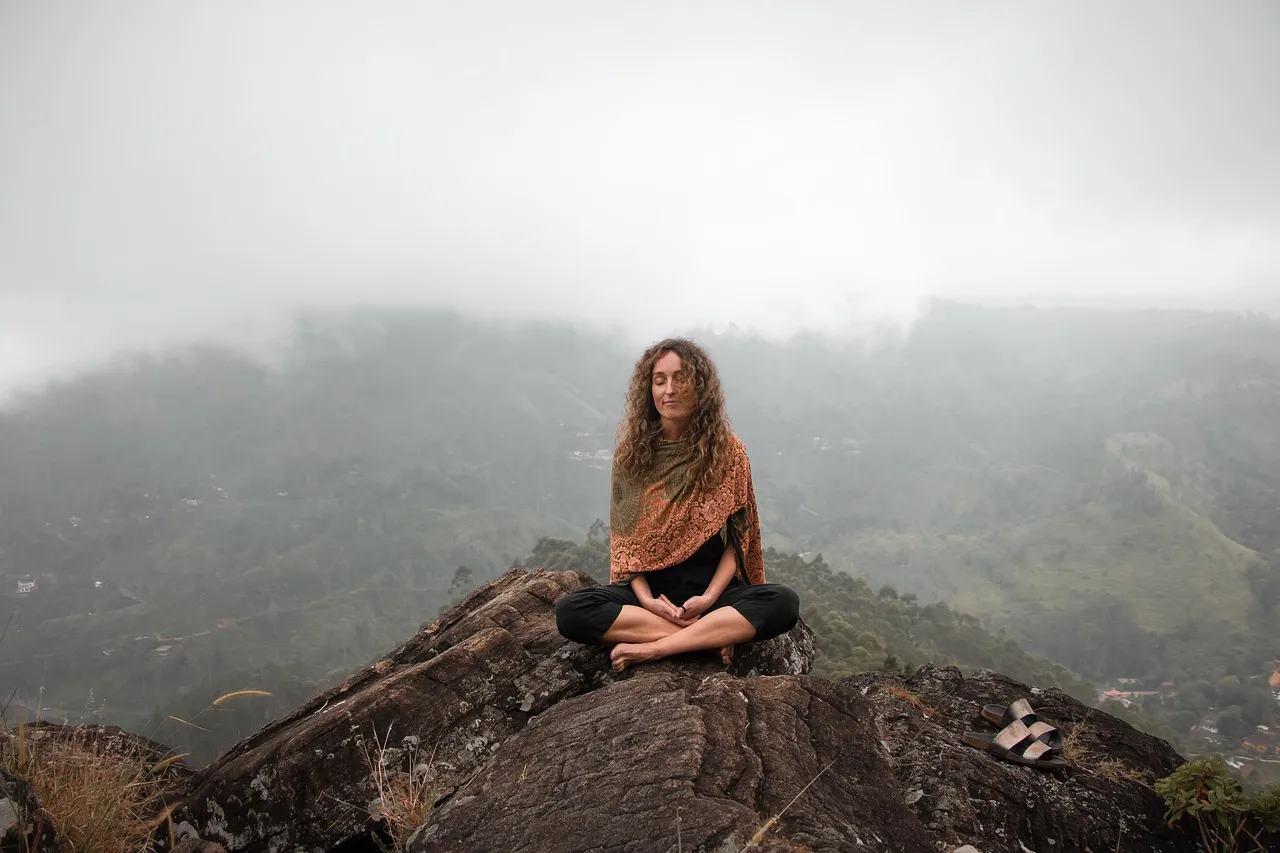
Meditation is a transformative practice that has been used for thousands of years to cultivate inner peace, clarity, and emotional resilience. When learning how to start meditation practice, it's essential to understand that meditation is not about clearing your mind or achieving perfect stillness—it's about gently observing your thoughts without judgment.
The benefits of meditation are scientifically proven and deeply personal. Regular practitioners report:
- Reduced stress and anxiety through activation of the parasympathetic nervous system
- Improved focus and concentration in daily work and creative tasks
- Better emotional regulation and increased resilience
- Enhanced self-awareness and personal growth
- Lower blood pressure and improved cardiovascular health
These benefits accumulate over time, but you may notice subtle improvements in your mood and clarity after just your first session.
Preparing Your Meditation Space
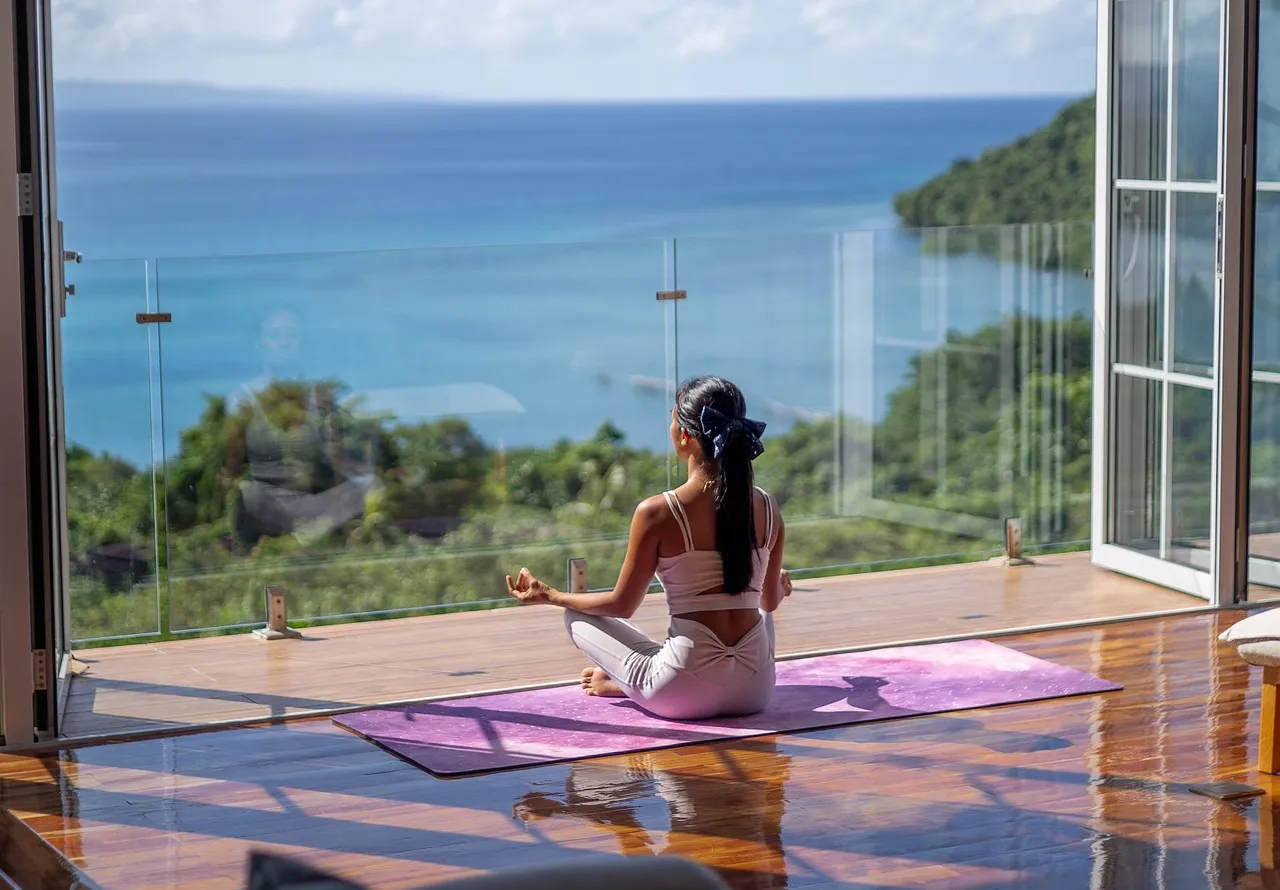
Creating a dedicated space is one of the most important steps when you're starting your meditation journey. You don't need an elaborate shrine or expensive equipment—just a quiet corner where you can sit undisturbed.
Here's what to consider for your space:
- Quiet environment: Minimize distractions from phones, traffic, and household noise. Use earplugs or white noise if necessary.
- Comfortable seating: Choose a cushion, chair, or yoga mat where you can sit upright with proper posture for 10-20 minutes
- Temperature control: Keep your space warm enough—you'll notice you get slightly cooler while sitting still
- Minimal clutter: A clean, organized space supports a calm mental state
- Soft lighting: Natural light or dimmable lamps work better than harsh overhead lighting
You might add optional elements like candles, plants, or a small altar, but these aren't necessary. Your intention and consistency matter far more than your surroundings.
Choosing Your Meditation Technique
How to start meditation practice depends largely on finding a technique that resonates with you. There's no one-size-fits-all approach—the best meditation is the one you'll actually do consistently.
Explore these popular techniques for beginners:
- Breath awareness meditation: Focus entirely on your breath—the sensation of air entering and leaving your nostrils. When your mind wanders, gently return attention to your breath.
- Body scan meditation: Progressively relax each part of your body, from your toes to your head, observing sensations without trying to change them
- Loving-kindness meditation: Direct compassion toward yourself and others through silent repetition of phrases like "may I be happy, may I be healthy"
- Guided meditation: Follow along with audio recordings that provide instructions and soothing narration throughout your session
- Mantra meditation: Repeat a meaningful word or phrase silently, allowing it to anchor your attention
Start with a simple technique like breath awareness. You can explore others once you've established a regular practice.
Starting Your Daily Practice
Consistency is more valuable than duration when you're beginning your meditation journey. How to start meditation practice successfully means setting realistic expectations and building gradually.
Start small: Begin with just 5-10 minutes daily rather than attempting 30-minute sessions. Short, regular sessions build momentum and are easier to maintain than sporadic longer periods.
Choose a specific time: Practice at the same time each day—perhaps right after waking, during lunch, or before bed. This builds a habit and integrates meditation into your routine naturally.
Use reminders: Set phone alarms or calendar notifications until meditation becomes automatic. This removes the friction of remembering.
Track your progress: Keep a simple log of your sessions. Seeing your consistency builds motivation and commitment.
Find an accountability partner: Practicing with a friend or joining a meditation group creates social support and shared commitment.
Your first week might feel challenging, but by week three or four, you'll likely notice meditation becoming more natural and the benefits becoming more evident.
Overcoming Common Obstacles
Nearly every meditator encounters challenges when establishing their practice. Understanding these obstacles helps you navigate them with patience rather than frustration.
Racing thoughts: Your mind will wander—this is completely normal and not a sign of failure. The practice is in returning your attention, not in suppressing thoughts. Each return strengthens your focus.
Restlessness and fidgeting: If sitting feels uncomfortable, adjust your posture, use more cushions, or try a shorter session. Physical discomfort is valid and worth addressing.
Falling asleep: If you consistently doze off, practice at a different time or with your eyes slightly open. Meditation and sleep are different states, though both are valuable.
Doubt and impatience: When you don't immediately feel transformed, remember that meditation works subtly. How to start meditation practice is about patience with yourself. Benefits emerge gradually and often when you're not directly focused on them.
Inconsistency: Life happens. If you miss a day or week, simply return without guilt. Recommitting is easier than maintaining consistency perfectly every single day.
Final thought: The secret to sustainable meditation is releasing expectations and approaching the practice with curiosity and self-compassion. Your journey will be uniquely yours, filled with insights and peace waiting to be discovered.
"Stay Inspired
Get a daily dose of positivity delivered to your inbox.