How to Meditate for Beginners: A Complete Guide to Starting Your Practice
Understanding the Basics of Meditation
Meditation is a practice that has been used for thousands of years to cultivate peace, clarity, and well-being. When learning how to meditate for beginners, it's important to understand that meditation is simply the act of training your mind to focus and be present. Many people think meditation is complicated, but the truth is that anyone can learn to meditate.
At its core, meditation involves directing your attention inward and observing your thoughts without judgment. It's not about emptying your mind or achieving a perfect state—it's about developing awareness and building a stronger connection with yourself.
What Happens When You Meditate
- Your nervous system shifts into a more relaxed state
- Brain activity patterns change, promoting calm and clarity
- Stress hormones like cortisol begin to decrease
- Your ability to focus and concentrate improves
- Emotional resilience and self-awareness grow over time
How to meditate for beginners starts with understanding these benefits and recognizing that consistency matters more than perfection.
Getting Started: Setting Up Your Meditation Space
Creating an environment conducive to meditation can significantly enhance your practice. Your space doesn't need to be elaborate—it just needs to be quiet and comfortable.
Essential Elements for Your Meditation Space
- Quiet location: Choose a place where distractions are minimized
- Comfortable seating: A chair, cushion, or meditation bench works well
- Good lighting: Soft, natural light is ideal; avoid harsh artificial light
- Temperature control: Keep the room at a comfortable temperature
- Personal touches: Add plants, candles, or calming artwork if desired
You don't need a dedicated meditation room. A corner of your bedroom, a quiet spot in your living room, or even a bench in a park can work perfectly. The key to how to meditate for beginners is finding a place where you feel safe and relaxed enough to turn your attention inward.
The Step-by-Step Process for Meditation
Learning the fundamentals of how to meditate for beginners involves following a simple structured approach. Start with just 5-10 minutes per session and gradually increase the duration as you become more comfortable.
Basic Meditation Steps
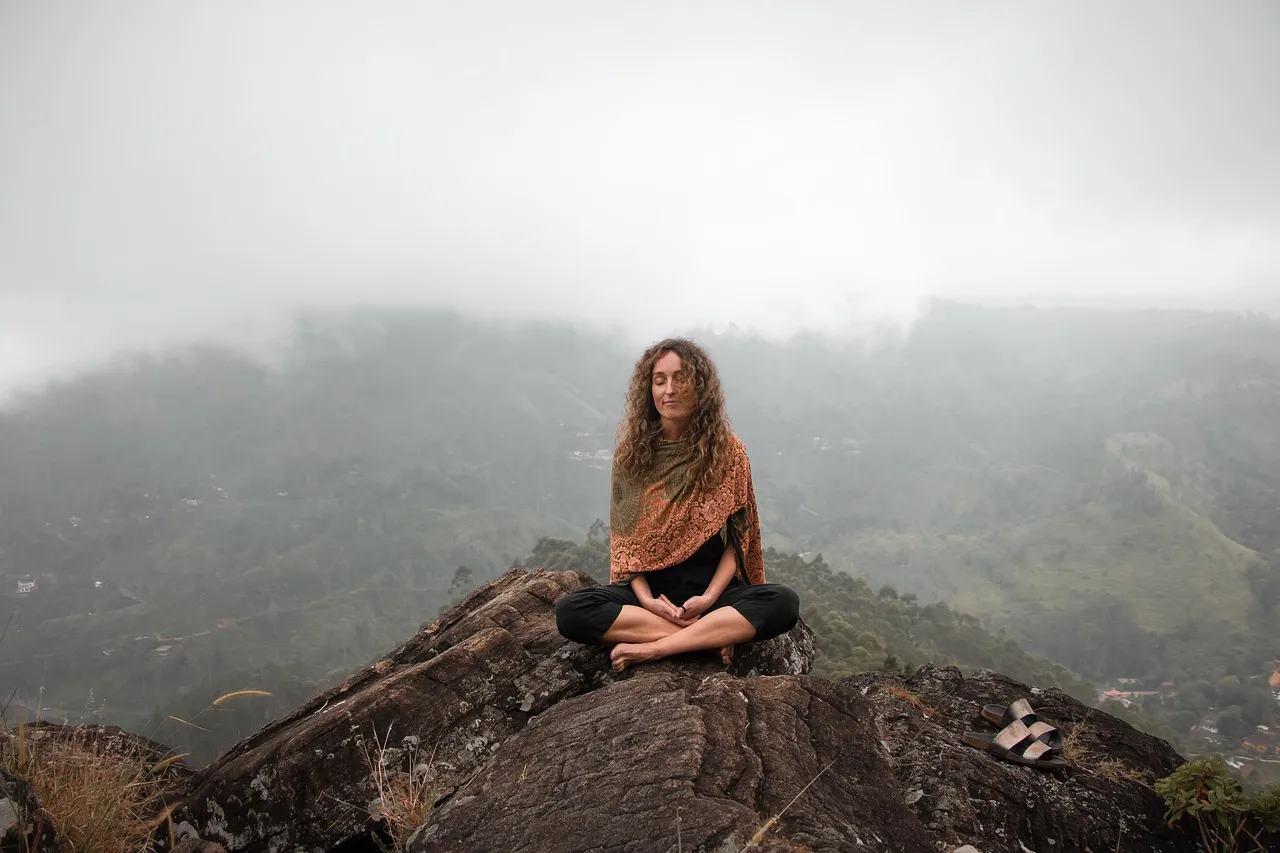
- Find a comfortable position: Sit upright with your spine straight, either on a chair or cushion. Your hands can rest on your lap or knees.
- Close your eyes gently: You can also keep them slightly open and focused on a point in front of you.
- Take several deep breaths: Breathe in through your nose and out through your mouth, preparing your body for calm.
- Begin focusing on your breath: Notice the natural rhythm of your breathing without trying to control it.
- When your mind wanders: Gently acknowledge the thought and return your focus to your breath. This is completely normal.
- Continue for your chosen duration: Maintain this practice for 5-10 minutes, gradually extending as you progress.
- End mindfully: Take a few deep breaths, gently open your eyes, and notice how you feel.
This basic technique is the foundation for most meditation practices and is perfect for beginners asking how to meditate for beginners.
Essential Tips for Building Your Meditation Practice
Developing a consistent meditation habit requires strategy and patience. These practical tips will help you stay committed and deepen your practice over time.
Strategies for Success
- Practice at the same time each day: Consistency builds momentum. Choose a time when you're least likely to be interrupted.
- Start small and build gradually: Five minutes daily is better than trying for 30 minutes and giving up.
- Use a timer: Apps like Insight Timer, Calm, or Headspace offer guided meditations and timing features.
- Don't judge your practice: Some sessions will feel peaceful, others will feel scattered. Both are valuable.
- Try different techniques: Explore body scans, loving-kindness meditation, or visualization once you're comfortable with breath work.
- Keep a meditation journal: Write brief notes about your experience to track progress and insights.
- Join a community: Online or in-person meditation groups provide support and accountability.
Remember, consistency trumps perfection when learning how to meditate for beginners. Even one week of daily practice can produce noticeable benefits.
Overcoming Common Challenges
Every beginner faces obstacles when starting a meditation practice. Understanding these challenges and knowing how to address them will help you persist through the initial learning phase.
Common Obstacles and Solutions
- Racing thoughts: This is normal. Rather than fighting them, observe them like clouds passing in the sky and gently return to your breath.
- Physical discomfort: Adjust your posture, use a cushion for extra support, or try sitting in a chair instead of on the floor.
- Falling asleep: Meditate at a different time of day, sit more upright, or practice with your eyes slightly open.
- Feeling restless: This often happens initially. Shorter sessions might help while you build the habit.
- Lack of progress: Progress in meditation is often subtle. Trust the process and focus on showing up consistently.
- Finding time: Meditation doesn't require a large time commitment. Even three minutes counts.
When you understand how to meditate for beginners, you realize that challenges are simply part of the learning journey, not signs of failure.
Making It Sustainable
The most important aspect of meditation is showing up regularly. You'll discover that the benefits compound over time—improved focus, reduced anxiety, better emotional regulation, and greater peace of mind all become natural results of your practice.
Start today with just one session. Choose your quiet spot, sit comfortably, close your eyes, and focus on your breath. You're already on your way to mastering how to meditate for beginners. Be patient with yourself, celebrate small victories, and trust that this ancient practice has something valuable to offer you.
Stay Inspired
Get a daily dose of positivity delivered to your inbox.