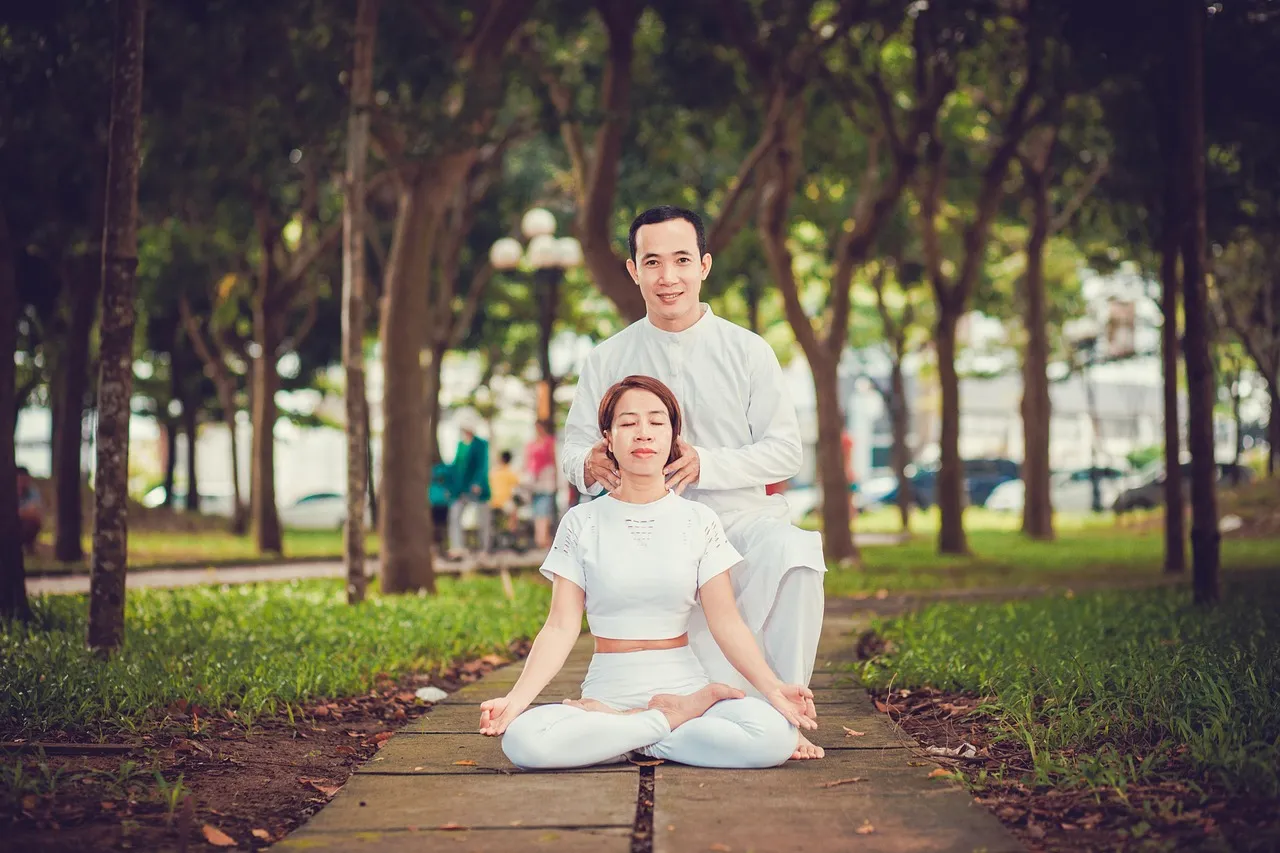
Meditation Techniques for Beginners: A Practical Guide to Getting Started
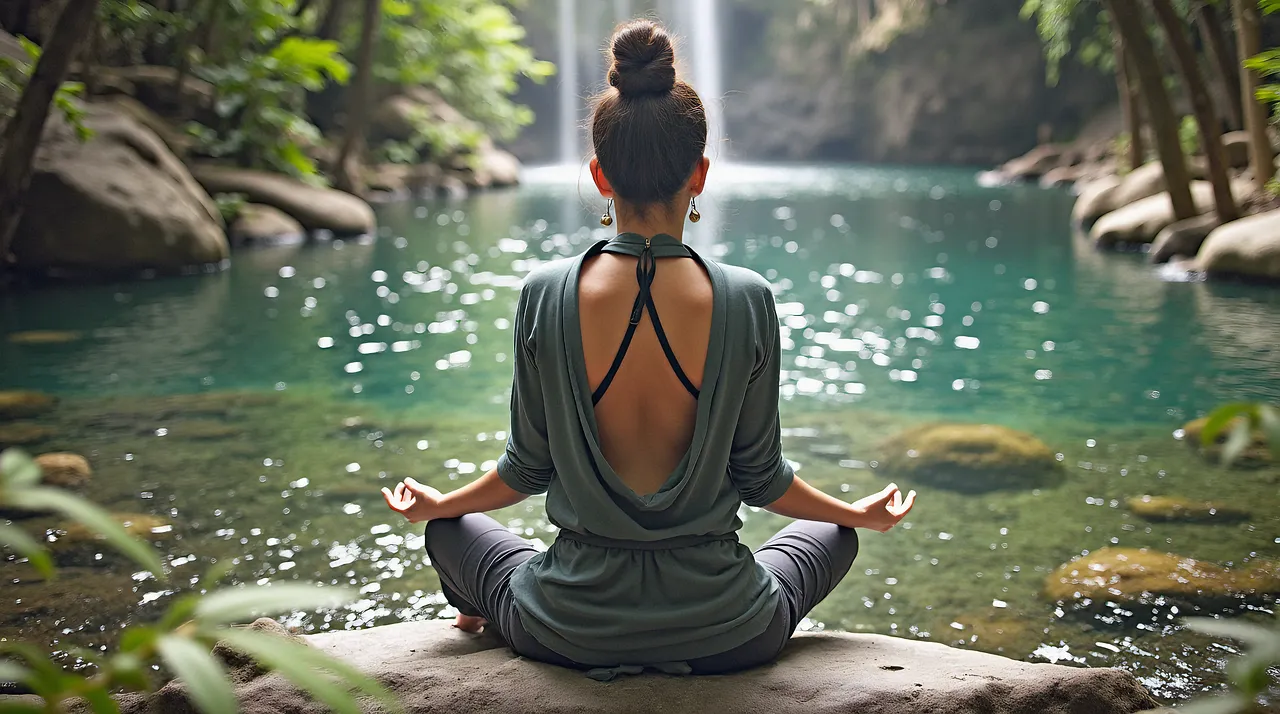
Introduction to Meditation Techniques for Beginners
Starting a meditation practice is one of the most transformative decisions you can make for your mental and physical well-being. Meditation techniques for beginners don't require special equipment, religious beliefs, or years of training. Whether you're seeking stress relief, better focus, or deeper self-awareness, these foundational practices will set you on the path to success.
The beauty of meditation is its simplicity and accessibility. Anyone can meditate, regardless of age, background, or experience level. In this guide, we'll explore practical meditation techniques for beginners that you can start using today.
Why Meditation Matters for Beginners
Before diving into specific techniques, it's important to understand why meditation is valuable for beginners.
- Stress Reduction: Meditation activates your parasympathetic nervous system, naturally reducing cortisol and anxiety.
- Improved Focus: Regular practice strengthens your ability to concentrate and resist distractions.
- Better Sleep: Evening meditation promotes deeper, more restful sleep patterns.
- Emotional Resilience: Meditation teaches you to observe thoughts without judgment, building mental strength.
- Enhanced Self-Awareness: You'll develop a deeper understanding of your thoughts, emotions, and behavior patterns.
Research consistently shows that even beginners who practice meditation for just 10 minutes daily experience measurable improvements in well-being within weeks.
Five Essential Meditation Techniques for Beginners
These proven meditation techniques for beginners provide a solid foundation for your practice.
1. Breath Awareness Meditation
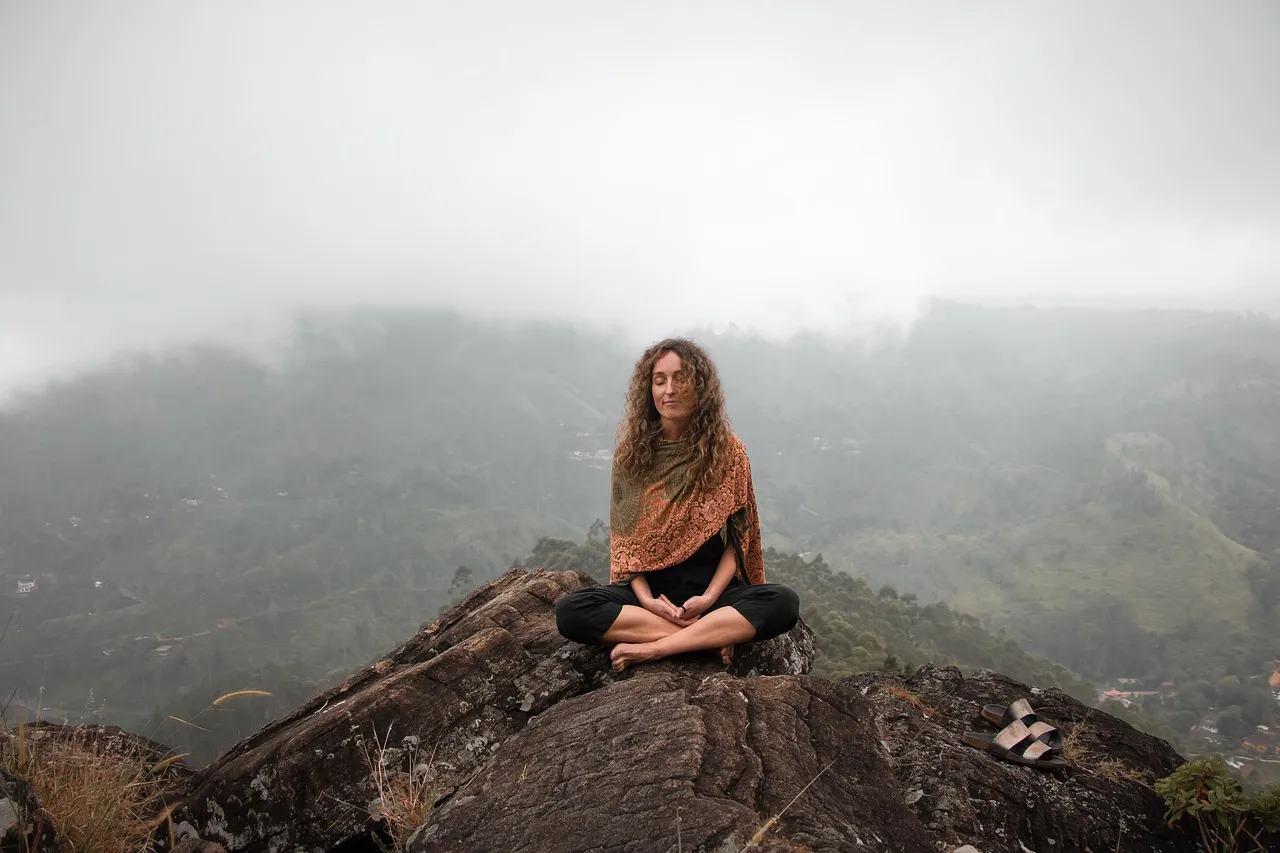
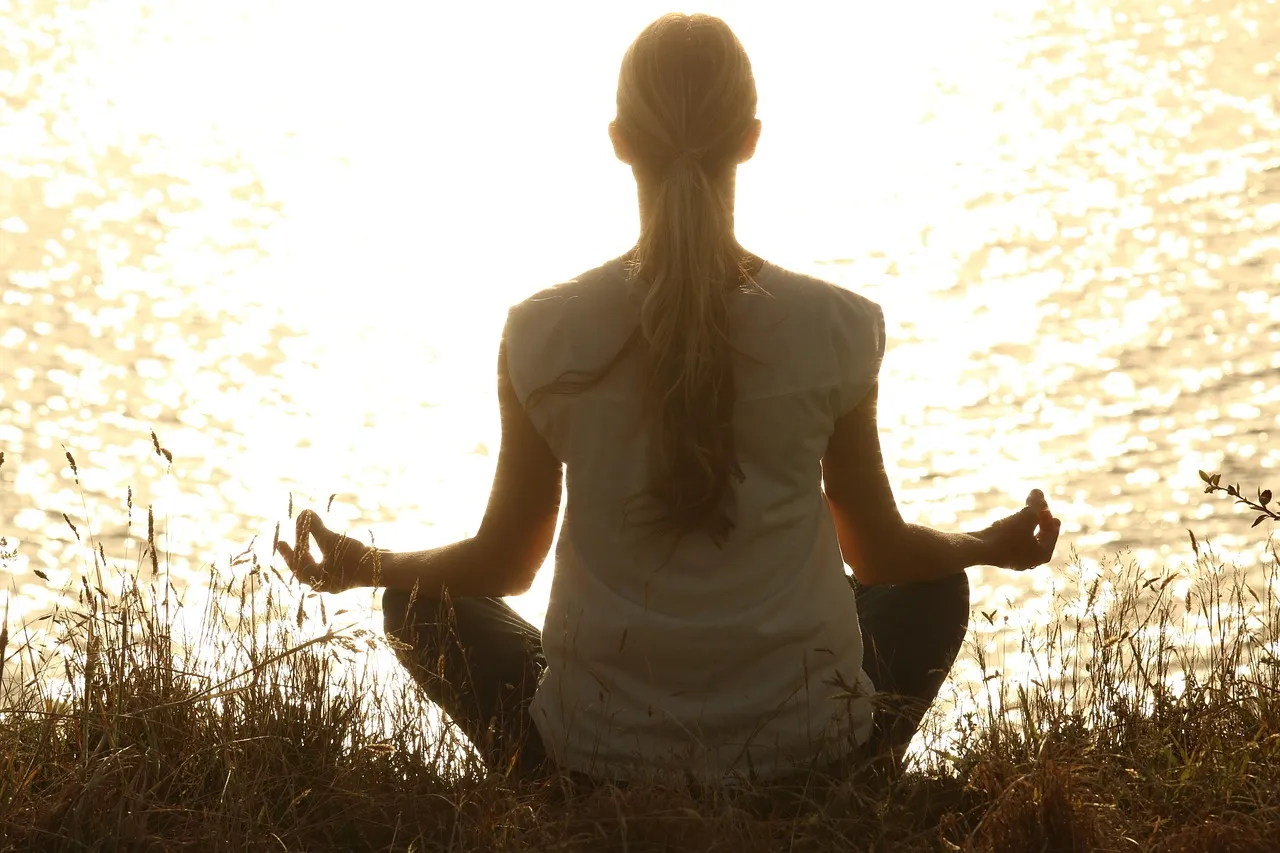
The simplest yet most powerful technique. Find a comfortable seated position, close your eyes, and simply notice your natural breath. Don't try to change it—just observe.
- Focus on the sensation of air entering and leaving your nostrils
- When your mind wanders, gently redirect attention to your breath
- Start with 5 minutes and gradually extend to 15-20 minutes
- Practice daily for best results
This foundational practice trains your mind and requires nothing but awareness.
2. Body Scan Meditation
Ideal for beginners who find pure breath work challenging, body scan meditation uses physical sensation as your anchor.
- Lie on your back in a comfortable position
- Mentally scan from the top of your head to your toes
- Notice any tension, warmth, or tingling without judgment
- Breathe into areas that feel tight or uncomfortable
- Complete a full scan in 15-20 minutes
Body scan practice releases physical tension while calming your mind, making it perfect for evening relaxation.
3. Guided Visualization
Beginners often benefit from guided meditations that use imagery and storytelling to direct the mind.
- Use apps or recordings to guide your practice
- Picture yourself in a peaceful, safe location
- Engage all five senses in your mental image
- Stay in this visualization for 10-15 minutes
- Slowly open your eyes and return to the present moment
Visualization is especially helpful for anxiety and requires minimal meditation experience.
4. Loving-Kindness Meditation
This technique cultivates compassion and positivity, addressing emotional blocks common among beginners.
Start by silently repeating phrases like:
- "May I be happy. May I be healthy. May I be safe. May I live with ease."
- Extend these wishes to loved ones, neutral people, and eventually everyone
- Notice any resistance without judgment
- Practice for 15-20 minutes daily
Loving-kindness meditation transforms your relationship with yourself and others.
5. Walking Meditation
For beginners who find sitting meditation uncomfortable, walking meditation combines movement with mindfulness.
- Walk slowly in a quiet space, indoors or outdoors
- Focus on the sensation of each step
- Feel your feet connecting with the ground
- Notice your body's natural rhythm
- Allow your senses to take in your surroundings
This practice proves especially helpful for building awareness in daily life.
Creating Your Meditation Space
Environment matters when you're starting out. While you can meditate anywhere, creating a dedicated space enhances consistency.
- Choose a quiet location where interruptions are minimal
- Use comfortable seating like a cushion, chair, or bench
- Control temperature to prevent distraction—not too hot or cold
- Reduce clutter to calm your visual field
- Optional additions: soft lighting, plants, or calming scents like lavender
Your meditation space becomes a psychological anchor that signals your brain it's time to relax and focus.
Overcoming Common Challenges for Beginners
Every beginner faces obstacles. Understanding these challenges helps you persist.
Racing Thoughts
Your mind wandering constantly is normal for beginners. Meditation isn't about stopping thoughts—it's about observing them without engagement. When you notice yourself thinking, simply return to your anchor (breath, body, or visualization) without frustration.
Physical Discomfort
If sitting is painful, try lying down or use a meditation cushion for proper support. Comfort enables longer practice sessions and better results.
Restlessness
If you feel antsy, try walking meditation or shorter sessions initially. Build duration gradually as your focus strengthens.
Falling Asleep
Meditate when you're alert, not exhausted. Morning or early afternoon sessions work best for most beginners.
Inconsistency
Set a specific time and place for daily practice. Consistency matters more than duration—10 minutes every day beats 60 minutes once weekly.
Building Your Daily Meditation Practice
Success with meditation techniques comes from regular, committed practice. Start small and build gradually.
- Week 1: Practice 5 minutes daily using breath awareness meditation
- Week 2-3: Extend to 10 minutes or try a different technique
- Week 4+: Experiment with various techniques and find what resonates
- Long-term: Aim for 15-20 minutes daily for maximum benefits
Track your practice in a journal. Note how you feel, any insights gained, and challenges encountered. This creates accountability and helps you see progress over time.
Meditation techniques for beginners work best when combined with patience and self-compassion. You're training your mind, just as athletes train their bodies. Progress takes time, but the rewards—reduced stress, improved focus, and inner peace—are absolutely worth the investment in yourself.
Start today with just one technique, commit to consistent practice, and trust the process. Your meditation journey begins now.
"Stay Inspired
Get a daily dose of positivity delivered to your inbox.