Fixed Mindset vs Growth Mindset: Transform Your Life With the Right Perspective
Understanding Fixed Mindset vs Growth Mindset
The concepts of fixed mindset vs growth mindset were introduced by psychologist Carol Dweck through decades of research on achievement and success. These two fundamentally different perspectives shape how we approach challenges, learn from failures, and ultimately define our potential. Understanding the distinction between fixed mindset vs growth mindset is one of the most powerful steps toward personal transformation and achieving your goals.
Your mindset acts as a lens through which you view the world. It influences your responses to obstacles, your willingness to try new things, and your resilience when facing setbacks. Whether you operate from a fixed or growth mindset determines not just your success rate, but your entire approach to life itself.
What is a Fixed Mindset?
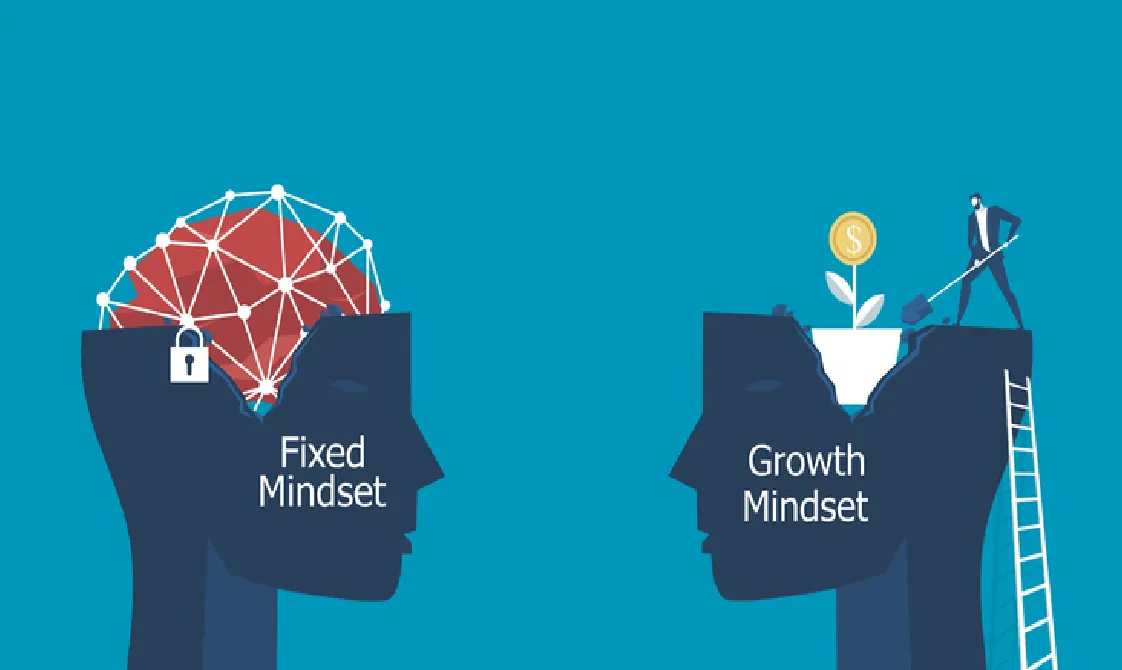
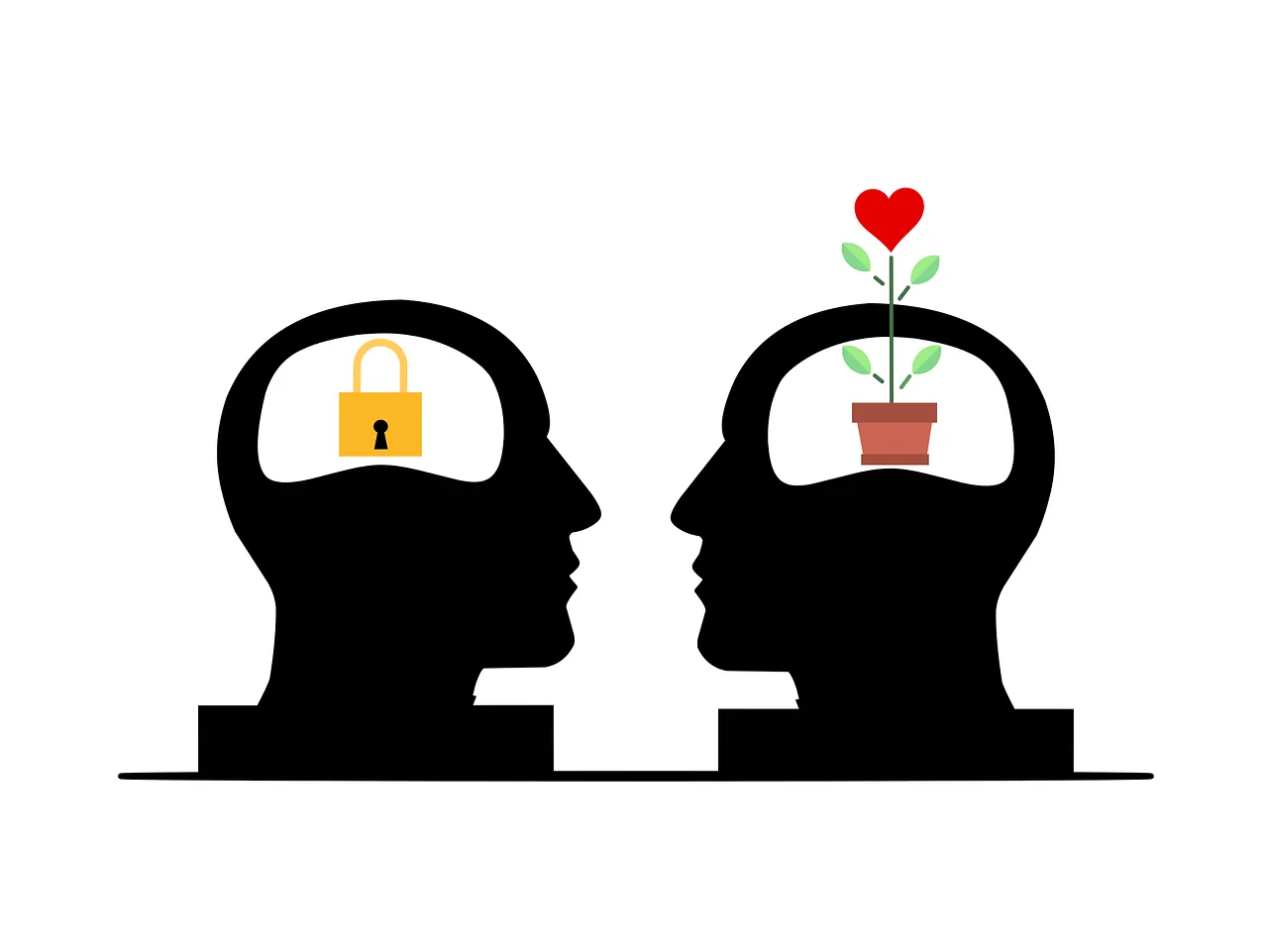
A fixed mindset is the belief that your abilities, intelligence, and talents are static traits that cannot be significantly changed. People with a fixed mindset view their skills as innate gifts that are either present or absent, leaving little room for development or improvement.
Characteristics of a fixed mindset include:
- Believing intelligence and talent are unchangeable
- Avoiding challenges to protect your self-image
- Giving up easily when faced with difficulty
- Seeing effort as fruitless if you're not naturally talented
- Ignoring or dismissing critical feedback
- Feeling threatened by the success of others
- Focusing on proving yourself rather than improving yourself
When operating from a fixed mindset, failures feel permanent and define your abilities. A poor performance on a test means you're "not good at math." A rejected job application means you're "not qualified." This perspective creates a glass ceiling on what you believe is possible for yourself.
The fixed mindset often stems from early messages we received about our abilities. Parents, teachers, or mentors who praised innate talent ("You're so smart!") rather than effort may have inadvertently reinforced this limiting belief system.
What is a Growth Mindset?
A growth mindset is the belief that your abilities, intelligence, and talents can be developed and improved through dedication, practice, and hard work. People with a growth mindset view challenges as opportunities to learn and develop new skills.
Characteristics of a growth mindset include:
- Believing abilities can be developed through effort
- Embracing challenges as learning opportunities
- Persisting in the face of setbacks
- Understanding that effort is the path to mastery
- Learning from criticism and feedback
- Feeling inspired by others' success
- Focusing on growth rather than proving yourself
With a growth mindset, failure becomes data. It's information about what didn't work and what to try next. A poor test performance becomes a signal to study differently or seek help. A rejected application provides an opportunity to strengthen your skills or tailor your approach.
Growth mindset research shows that this perspective correlates strongly with higher achievement, greater resilience, and increased life satisfaction. When you believe you can develop your abilities, you're more likely to invest the effort required to actually do so.
Key Differences: Fixed Mindset vs Growth Mindset
Understanding the specific contrasts between fixed mindset vs growth mindset helps clarify which perspective you tend toward in different situations. Most people have elements of both, depending on the domain or context.
Challenges and Obstacles:
- Fixed mindset: Sees challenges as threats and avoids them
- Growth mindset: Views challenges as opportunities to grow and welcomes them
Effort and Work:
- Fixed mindset: Believes effort indicates you lack natural ability
- Growth mindset: Understands effort is how abilities are developed
Setbacks and Failure:
- Fixed mindset: Interprets failure as a reflection of permanent limitations
- Growth mindset: Views failure as a temporary setback and learning opportunity
Feedback and Criticism:
- Fixed mindset: Takes feedback as personal attack on identity
- Growth mindset: Appreciates feedback as valuable information for improvement
Other People's Success:
- Fixed mindset: Feels threatened or diminished by others' achievements
- Growth mindset: Feels inspired and believes success is possible for everyone
These differences compound over time. People with a growth mindset accumulate more skills, more resilience, and more achievements because they're willing to do the work required to develop them.
How to Develop and Cultivate a Growth Mindset
The beautiful aspect of understanding fixed mindset vs growth mindset is that you're not locked into one or the other. You can intentionally cultivate a growth mindset through awareness and practice.
Start with awareness: Notice when you're operating from a fixed mindset. Listen for phrases like "I can't do that" or "I'm not a creative person." Simply noticing these thoughts is the first step toward change.
Reframe your self-talk: When you catch fixed mindset thoughts, actively reframe them. Replace "I can't do this yet" with "I can't do this yet." Add the word "yet" to any limiting belief. This simple shift reminds you that development is possible.
Embrace challenges: Deliberately seek out challenges in areas you want to develop. Sign up for that class. Apply for that stretch role. Learn that new skill. Challenges are where growth happens.
View failure as data: When something doesn't work, ask yourself: "What can I learn from this? What will I try differently next time?" This turns every failure into a learning opportunity.
Celebrate effort and process: Focus praise and recognition on effort, strategy, and persistence rather than outcomes or innate talent. This reinforces the growth mindset belief system.
Seek feedback actively: Ask people you trust for honest feedback. Listen without defensiveness. Use their perspective to identify areas for growth and improvement.
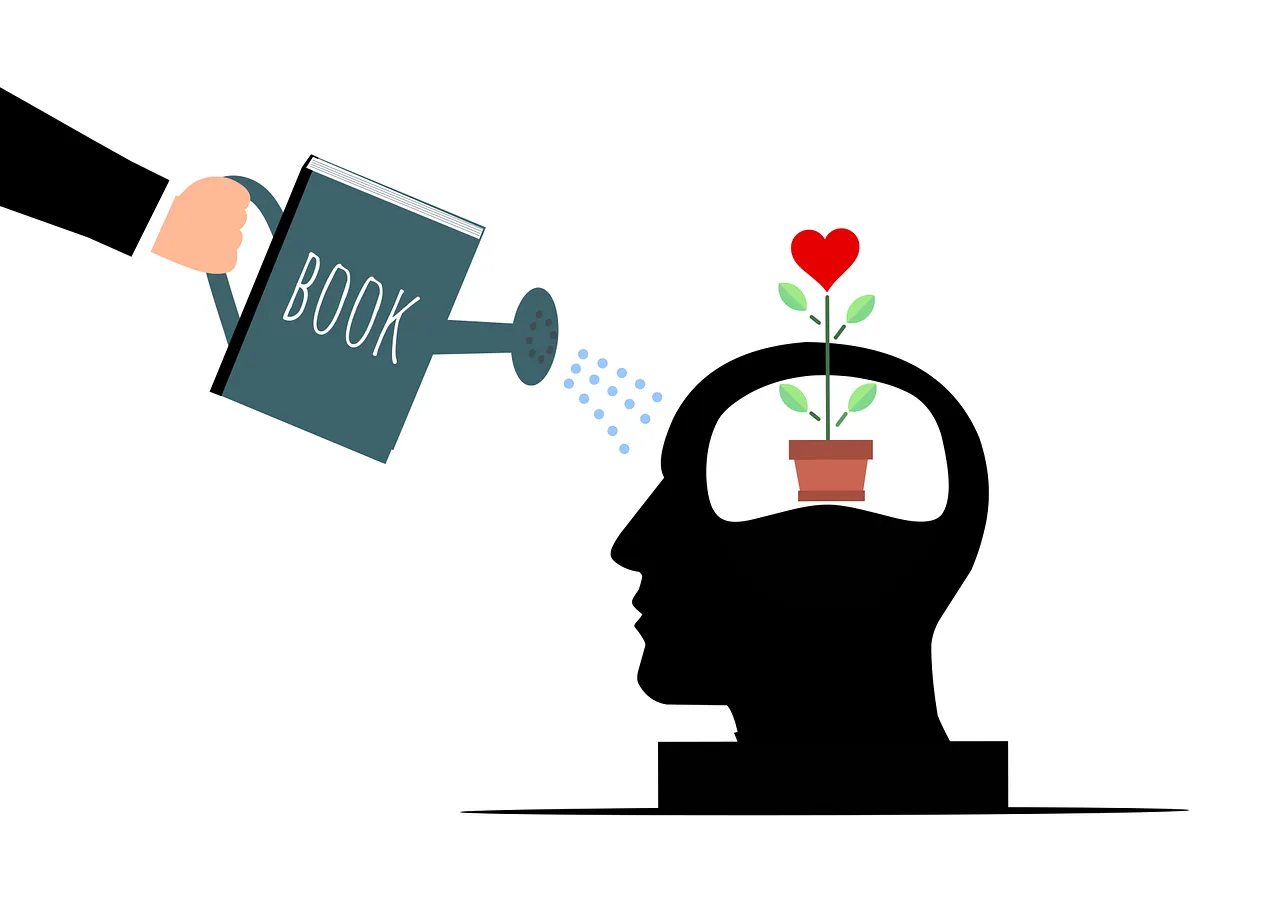
Invest in learning: Read books, take courses, listen to podcasts, and find mentors. Continuous learning is a tangible expression of a growth mindset and keeps your brain developing throughout life.
Developing a growth mindset is itself a growth process. Be patient with yourself as you practice these skills. Each time you push through a challenge or learn from a setback, you're strengthening your growth mindset muscles.
Stay Inspired
Get a daily dose of positivity delivered to your inbox.