The Power of Yet: Transform Your Mindset and Unlock Your Potential

A child struggles with mathematics, tears streaming down her face as she stares at an unsolved problem. Instead of saying "I can't do math," her teacher whispers, "You can't do it yet." Those two words change everything. The power of yet is one of the most transformative concepts you can embrace on your journey toward personal growth and success.
Understanding the Power of Yet
The word "yet" is small, but its impact is enormous. When you add "yet" to a limiting statement, you fundamentally shift your perspective from a fixed conclusion to an ongoing possibility. Instead of accepting failure as permanent, you acknowledge it as temporary. The power of yet lies in its ability to reframe obstacles as opportunities.
Consider these transformations:
- "I can't speak in public" becomes "I can't speak in public yet"
- "I don't understand this concept" becomes "I don't understand this concept yet"
- "I'm not successful" becomes "I'm not successful yet"
Each addition of "yet" opens a door to possibility. It transforms a present reality into a temporary state, suggesting that growth and improvement are within reach. This simple linguistic shift creates psychological momentum toward achievement.
How Yet Transforms Your Mindset
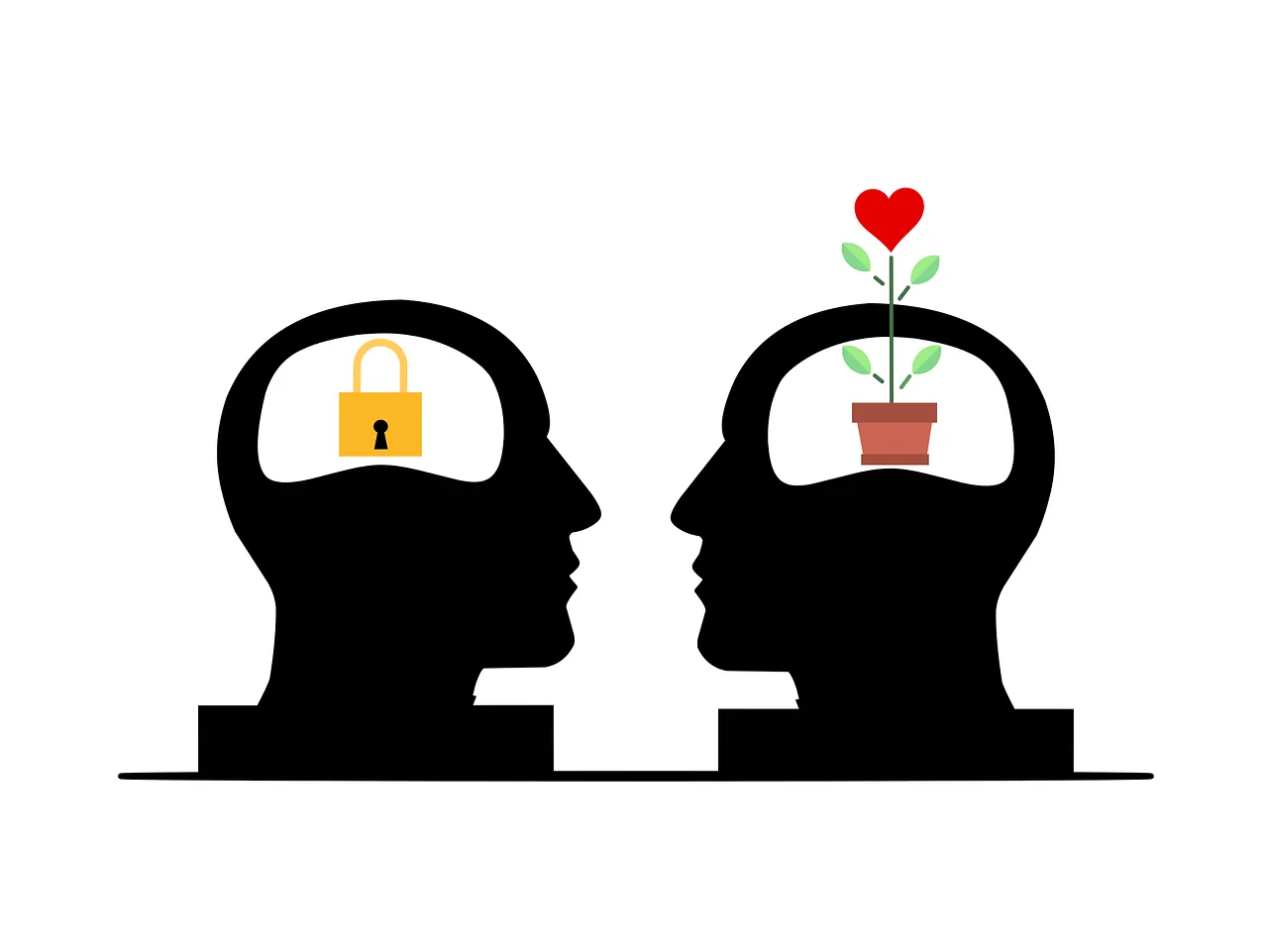
Your mindset determines your reality. When you understand the power of yet, you transition from a fixed mindset to a growth mindset. This isn't just positive thinking—it's a fundamental change in how you approach challenges.
The fixed mindset believes abilities are static:
- You either have talent or you don't
- Failure is a reflection of your worth
- Challenges should be avoided
- Effort is pointless if you're not naturally gifted
The growth mindset embraces possibility:
- Abilities can be developed through dedication
- Failure is feedback, not a reflection of worth
- Challenges are opportunities to expand capabilities
- Effort is the pathway to mastery
When you embrace the power of yet, you become unstoppable. Your brain literally rewires itself to seek solutions rather than accept defeat. You ask better questions: "What do I need to learn?" instead of "Why can't I do this?" This mental shift activates your problem-solving abilities and keeps you engaged with challenges rather than discouraged by them.
The Science Behind the Power of Yet
Research in neuroscience and psychology confirms what successful people have long known: the power of yet works because it aligns with how our brains actually function. Our neural pathways are not fixed; they're plastic and capable of remarkable change throughout our lives.
Key scientific insights:
- Neuroplasticity proves the brain creates new connections through practice and repetition
- Growth mindset research shows students with this perspective show greater academic improvement
- Resilience studies demonstrate that believing in future capability increases persistence
- Motivation science reveals that "yet" language increases effort and engagement
When you use the word "yet," you're not fooling yourself with false optimism. You're acknowledging neurological reality. Every skill you've ever mastered—from walking to reading to professional expertise—was built through practice over time. The power of yet is rooted in this biological truth that humans are fundamentally capable of growth.
Studies show that when children are praised for effort rather than ability ("You worked hard on that" rather than "You're so smart"), they develop stronger resilience and pursue more challenging goals. Adults benefit from the same principle. When you speak to yourself using the language of "yet," you're activating the same neural networks that support persistent effort and continuous learning.
Practical Ways to Apply the Power of Yet
Understanding the power of yet intellectually is one thing; applying it daily is where transformation happens. Here's how to integrate this concept into your life:
In your self-talk:
- Notice when you use limiting language
- Pause and add "yet" to your statements
- Practice this daily until it becomes automatic
- Be patient with yourself as you build this habit
In your relationships:
- Encourage others with "yet" language
- Help loved ones see their potential
- Celebrate effort and progress, not just outcomes
- Create a culture of possibility together
In your professional life:
- Reframe setbacks as learning opportunities
- Ask what skills you need to develop
- View feedback as roadmap, not rejection
- Build competence through deliberate practice
In learning new skills:
- Expect the learning curve
- Embrace the struggle as progress
- Track improvement over time
- Celebrate small wins along the way
Overcoming Obstacles with Yet
Life inevitably presents obstacles. What separates those who achieve their goals from those who don't is how they respond to difficulty. The power of yet is your secret weapon in these moments.
When you face rejection, setback, or failure, remember:
I haven't succeeded yet, but I'm learning. This reframes failure as data, not destiny. Every rejection contains information about what to try differently. Every mistake teaches you something valuable.
I don't have this skill yet, but I'm developing it. This acknowledges present reality while honoring future potential. You're not stuck; you're in motion. This perspective keeps you engaged in the process rather than discouraged by current circumstances.
I don't understand this yet, but I will. Confusion and difficulty are not signs that you're incapable. They're signs that your brain is actively growing. Embrace the discomfort as evidence of learning in action.
When obstacles arise, pause and ask yourself: "What can I learn here? What do I need to develop? What's the next step?" These questions, powered by the power of yet, keep you focused on solutions rather than stuck in problems.
The most successful people in every field share one characteristic: they persistently applied effort over time, learned from failures, and believed in their capacity to improve. They understood, whether consciously or intuitively, the power of yet.
Start today. Notice one limiting statement you make about yourself. Add "yet" to it. Feel the shift. Then practice this small act of linguistic transformation until it becomes who you are. Because the truth is this: you are far more capable than you believe. The only difference between where you are and where you want to be is a word—yet.
Stay Inspired
Get a daily dose of positivity delivered to your inbox.