The Art of Forgiveness: Heal Your Heart and Transform Your Life

Understanding Forgiveness
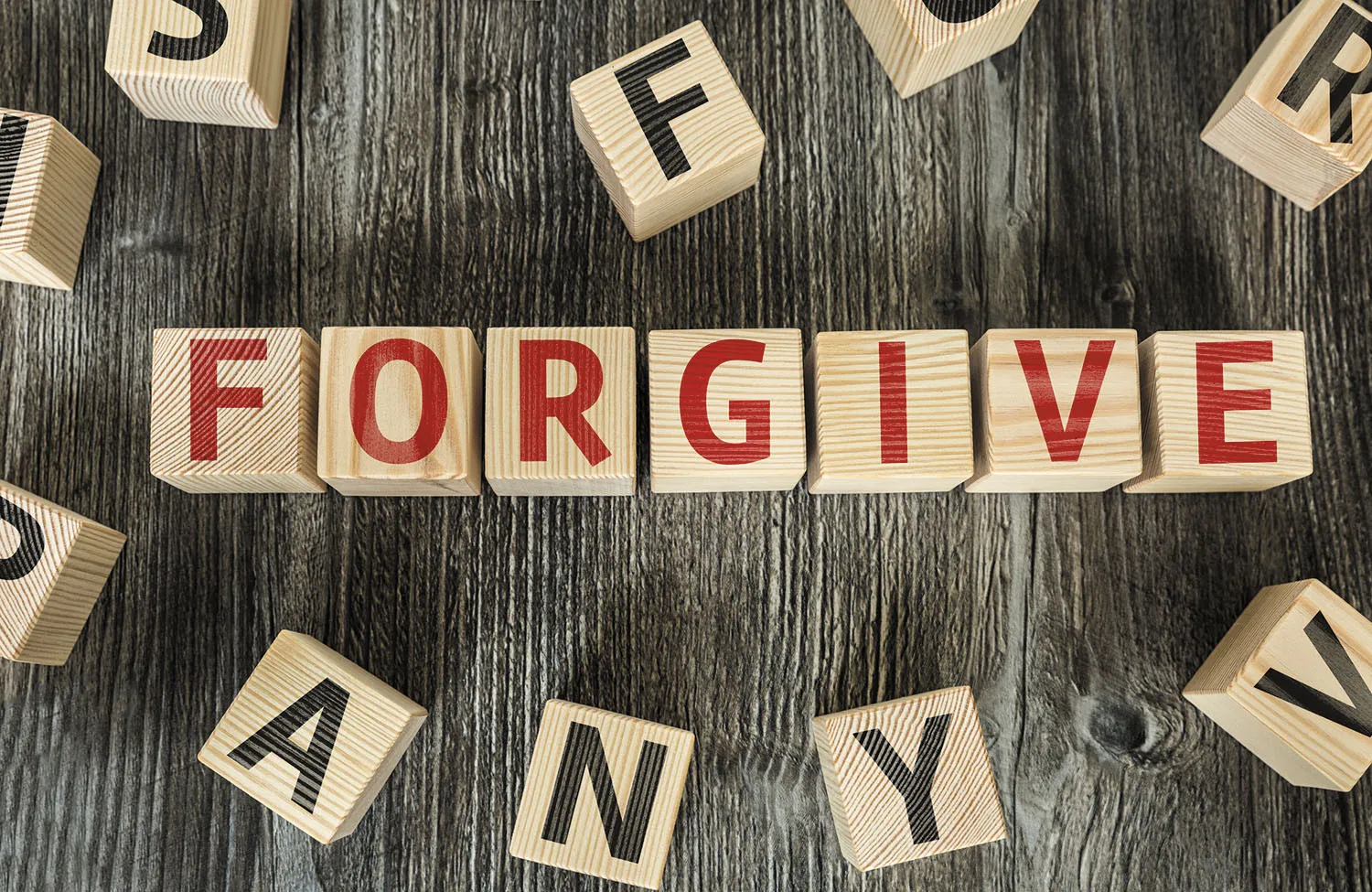
Forgiveness is often misunderstood as weakness or condoning harmful behavior, but it is actually one of the most powerful acts of strength available to us. It means releasing resentment, anger, and the desire for revenge toward someone who has wronged us. Forgiveness is fundamentally about freeing ourselves from the burden we carry when we hold grudges.
At its core, forgiveness is not about the other person—it's about us. It is an internal process that allows us to move forward with our lives, unshackled by the weight of past hurt. When we choose to forgive, we reclaim our power and take control of our emotional well-being.
Many people confuse forgiveness with reconciliation. You can forgive someone without reestablishing a relationship with them. Forgiveness is about releasing the emotional grip that a past hurt has on your heart, regardless of whether the relationship continues.
Why Forgiveness Matters for Your Well-Being
Holding onto anger and resentment creates stress in your body and mind. Research shows that unforgiveness is linked to elevated cortisol levels, increased blood pressure, and weakened immune function. When we refuse to let go of past wrongs, we essentially poison ourselves while hoping the other person suffers.
The benefits of practicing forgiveness include:
- Reduced stress and anxiety levels
- Improved mental health and emotional resilience
- Lower blood pressure and better physical health
- Enhanced relationships and deeper connections with others
- Increased inner peace and spiritual growth
- Greater capacity for empathy and compassion
When we embrace forgiveness, we experience freedom from the past. We stop replaying painful memories obsessively and instead direct our energy toward creating a better future. This shift in perspective is transformative.
The Practical Steps to Forgiveness
Practicing forgiveness is a journey, not a destination. Here are actionable steps to help you begin:
1. Acknowledge the Hurt
Don't minimize or deny the pain caused to you. Allow yourself to feel the full weight of your emotions without judgment. Write about what happened, express your feelings, and validate your experience.
2. Understand the Other Person's Perspective
This doesn't mean accepting their behavior as okay. Rather, try to understand why they acted as they did. Often, people hurt others because they are struggling with their own pain and limitations. Understanding doesn't require agreement.
3. Make a Conscious Decision to Forgive
Forgiveness is a choice, not a feeling that happens automatically. Decide that you are ready to release the anger and move forward. This decision is powerful and marks the beginning of your healing journey.
4. Release the Need for Revenge
Let go of fantasies about how the other person should be punished or suffer. This mental time and energy perpetuates your own suffering. Replace these thoughts with compassion for both the other person and yourself.
5. Focus on Your Healing
Redirect the energy you spent on anger toward self-care, personal growth, and positive relationships. Do things that nourish your soul and bring you joy.
Overcoming Common Obstacles to Forgiveness
The path to forgiveness isn't always smooth. Here are common challenges and how to address them:
- Fear of forgetting: Forgiving doesn't mean you'll forget or lose important lessons from what happened. You can forgive and still remember to protect yourself.
- Feeling like you're letting them win: In reality, forgiveness is your victory. You're choosing your peace over their actions.
- Worry about being hurt again: Setting healthy boundaries is different from withholding forgiveness. You can forgive and still protect yourself moving forward.
- Feeling like forgiveness is unfair: Justice and forgiveness are separate concepts. You can seek accountability while also releasing anger.
- Struggling to forgive yourself: Self-forgiveness is equally important as forgiving others. Treat yourself with the same compassion you extend to others.
Be patient with yourself during this process. Forgiveness may need to happen repeatedly as old emotions resurface. Each time you choose forgiveness, you strengthen your ability to let go.
The Transformative Power of Letting Go
When you truly embrace forgiveness, you experience a profound shift in how you move through the world. The energy previously spent on anger becomes available for creating, loving, and growing. You develop greater resilience and become less reactive to future conflicts.
Forgiveness ripples outward to improve all your relationships. As you become more forgiving toward others, you naturally become less judgmental and more compassionate. People respond to this shift, and your connections deepen.
Perhaps most importantly, forgiveness allows you to reclaim your life from your past. You are no longer defined by what was done to you. You become the author of your own story, writing new chapters filled with hope, healing, and possibility.
Start today. Choose one person you need to forgive—perhaps even yourself. Begin the process, and watch how liberation unfolds in your heart and mind.
Stay Inspired
Get a daily dose of positivity delivered to your inbox.