Gratitude | Benefits & How to Practice Daily

Understanding Gratitude and Its Power
Gratitude is the practice of recognizing and appreciating the good things in your life, both big and small. It goes beyond simply saying thank you—it's a genuine feeling of abundance and appreciation for what you have. When you embrace gratitude, you shift your perspective from focusing on what's missing to celebrating what's already present.
The power of gratitude lies in its ability to rewire your brain. Research shows that practicing gratitude regularly can change your neural pathways, making positive thinking more natural over time. This simple yet profound shift can transform your entire outlook on life, relationships, and personal growth.
Many cultures and spiritual traditions have long recognized the importance of gratitude as a cornerstone of inner peace. From Buddhist practices to modern positive psychology, gratitude appears as a universal pathway to greater happiness and resilience.
- Gratitude redirects your mind from scarcity to abundance
- It strengthens your connection to the present moment
- Practicing gratitude enhances emotional resilience during difficult times
- It fosters deeper, more meaningful relationships with others
- Gratitude cultivates a sense of purpose and meaning in daily life
The Proven Benefits of Practicing Gratitude
Scientific research consistently demonstrates that gratitude has remarkable effects on mental health, physical wellbeing, and social relationships. When you regularly acknowledge what you're grateful for, your brain releases neurotransmitters like dopamine and serotonin that enhance mood and create feelings of happiness.
One of the most significant benefits of gratitude is its impact on anxiety and depression. By consciously focusing on positive aspects of your life, you naturally redirect attention away from worries and negative thought patterns. This doesn't mean ignoring challenges—instead, it's about maintaining balanced perspective.
Mental Health Benefits
Gratitude is a powerful tool for improving your psychological wellbeing. People who practice gratitude regularly report lower stress levels, improved self-esteem, and greater overall life satisfaction. The practice helps break cycles of rumination and negative self-talk that often fuel anxiety and depression.
- Reduces symptoms of depression and anxiety
- Increases emotional resilience and adaptability
- Enhances self-worth and personal confidence
- Promotes better sleep quality through peaceful reflection
- Decreases rumination and obsessive thinking patterns
Physical Health Benefits
The mind-body connection is real, and gratitude plays a significant role in it. Studies show that grateful people have lower blood pressure, stronger immune systems, and experience less chronic pain. When you reduce stress through appreciation, your body naturally heals and functions more optimally.
- Strengthens immune system function and resilience
- Lowers blood pressure and reduces heart disease risk
- Improves sleep quality and duration
- Decreases inflammation in the body
- Boosts energy levels and overall vitality
Relationship and Social Benefits
When you practice gratitude, you naturally become more appreciative of the people in your life. This appreciation strengthens bonds, increases empathy, and creates more positive interactions. People who regularly practice gratitude report more satisfying relationships and stronger social connections.
- Deepens emotional intimacy with loved ones
- Increases empathy and compassion toward others
- Strengthens communication and conflict resolution
- Builds more authentic and meaningful friendships
- Attracts more positive people into your life
How to Practice Gratitude Daily
The beauty of gratitude is that it's accessible to everyone, regardless of your circumstances. You don't need special equipment or extensive time—just genuine intention and consistent practice. Starting a gratitude practice is simpler than you might think, and the benefits accumulate quickly when you commit to making it a daily habit.
The key to successful gratitude practice is consistency rather than intensity. Even five minutes of focused appreciation each day can create profound changes in your mindset and overall wellbeing. The goal is to make gratitude a natural part of your daily routine, woven into the fabric of how you move through the world.
Beginning Your Gratitude Journey
If you're new to practicing gratitude, start small and manageable. Choose one time of day—morning, evening, or both—to pause and consciously appreciate something in your life. This could be a person, experience, ability, or even something as simple as a warm cup of tea or a moment of sunshine.
- Choose a consistent time each day for your gratitude practice
- Start with just three things you're grateful for daily
- Be specific about why you're grateful for each item
- Include gratitude for both major blessings and small joys
- Write or speak your gratitudes aloud for greater impact
Integration Into Daily Life
Beyond dedicated gratitude time, you can weave appreciation throughout your day. When eating, pause to appreciate the nourishment. When walking, notice the beauty around you. When interacting with others, recognize what you value about them. These micro-practices amplify the benefits of gratitude throughout your day.
- Practice mindful appreciation during meals and daily activities
- Express specific thanks to people who make a difference
- Notice and appreciate small moments of beauty or comfort
- Reflect on challenges as opportunities for growth and learning
- Share your appreciation with others regularly and genuinely
Powerful Gratitude Practices and Techniques
Numerous techniques can help you deepen and sustain your gratitude practice. These methods are designed to keep your appreciation fresh, genuine, and deeply integrated into your life. Experiment with different approaches to find what resonates most authentically with you.
Gratitude Journaling
Writing about what you're grateful for is one of the most effective and popular gratitude practices. The physical act of writing engages your brain differently than simply thinking, making the experience more powerful and memorable. Many people find that journaling before bed helps them sleep better and wake with a more positive mindset.
- Write three to five things you're grateful for each day
- Include specific details about why each item matters to you
- Revisit past entries when you need perspective or encouragement
- Vary your journal entries to stay engaged and authentic
- Use prompts like "I'm grateful for unexpected moments when..." when stuck
Gratitude Meditation
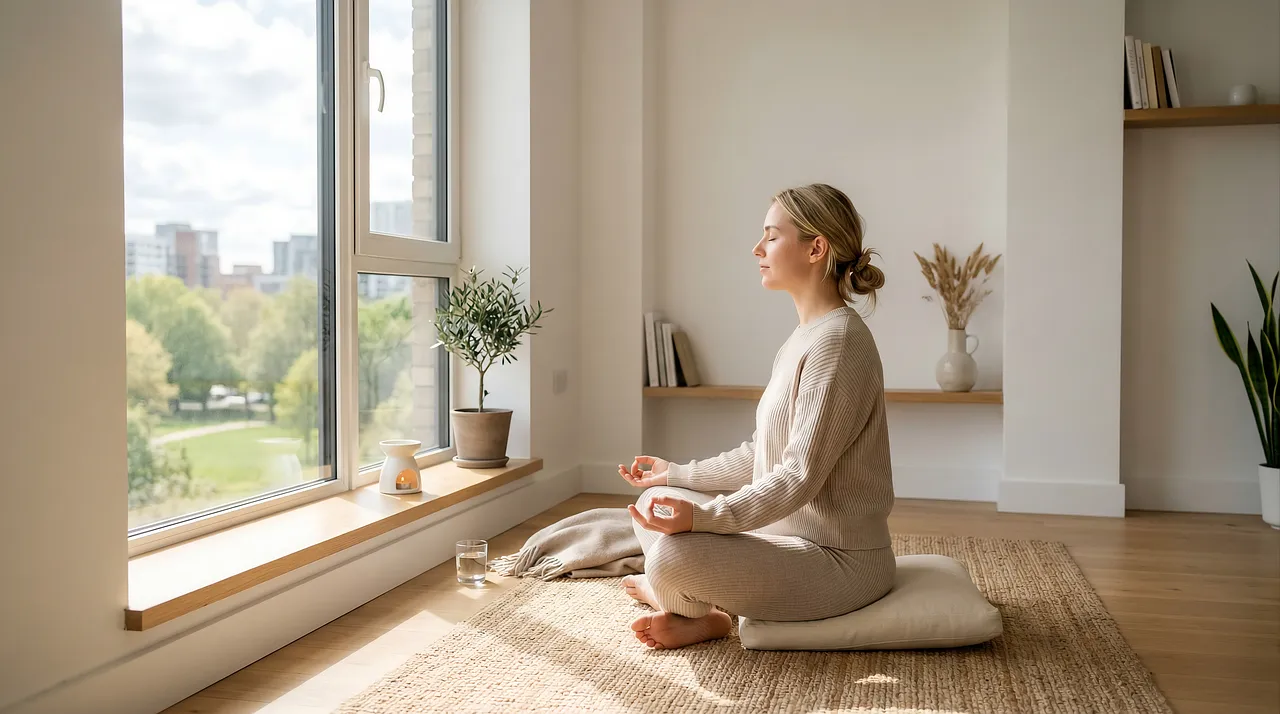
Meditation amplifies the benefits of gratitude by combining it with mindfulness and deep breathing. A simple gratitude meditation involves sitting quietly, breathing deeply, and bringing to mind people, experiences, or blessings you appreciate. Even ten minutes of daily gratitude meditation can significantly reduce stress and increase overall wellbeing.
- Find a quiet, comfortable space for your meditation practice
- Focus on your breath while visualizing what you're grateful for
- Feel the emotion of appreciation in your body and heart
- Use guided gratitude meditations if you need structure or support
- Practice consistently for at least two weeks to notice benefits
Gratitude Conversations
Sharing gratitude with others multiplies its power and strengthens relationships. Having conversations specifically focused on appreciation creates deeper connections and reminds others of their value. You might ask loved ones what they're grateful for, or tell them specifically what you appreciate about them.
- Ask family and friends what they're grateful for daily
- Share specific compliments and appreciations regularly
- Express thanks to people who've made a difference in your life
- Create gratitude rituals with loved ones, like dinner table sharing
- Write thank-you notes to people who deserve recognition
Overcoming Challenges in Gratitude Practice
While gratitude is powerful, maintaining the practice can sometimes feel challenging, especially during difficult periods. Understanding common obstacles helps you stay committed and authentic to your gratitude journey. Remember that even in challenging circumstances, there are always things to appreciate, though this requires compassion toward yourself.
When Gratitude Feels Difficult
If you're struggling, grieving, or facing significant challenges, gratitude might feel inauthentic or impossible. This is completely normal. Genuine gratitude doesn't deny pain—it acknowledges difficulty while also recognizing resilience and small blessings. You might start with gratitude for your own strength, your support system, or simply the fact that you're still trying.
- Allow yourself to feel difficult emotions while still seeking small appreciations
- Practice self-compassion when gratitude feels forced or difficult
- Focus on what you can control rather than what you cannot
- Appreciate small moments and tiny victories during hard times
- Consider working with a therapist if gratitude practice triggers distress
Maintaining Authenticity and Depth
Over time, gratitude practice can sometimes feel mechanical or superficial if you're not intentional. To keep it genuine, vary your practice, dig deeper into why you're grateful, and regularly challenge yourself to find appreciation for new things. The goal is heartfelt appreciation, not just checking off a list.
- Avoid generic gratitudes by being specific about details and feelings
- Regularly challenge yourself to find gratitude in unexpected places
- Mix routine gratitudes with deeper appreciations for bigger blessings
- Adjust your practice method when it starts feeling stale or rote
- Remember that authentic gratitude is about genuine feeling, not perfection
Key Takeaways
- Gratitude transforms your mind and body: Regular practice rewires your brain, reduces stress and anxiety, improves physical health, and strengthens relationships with others.
- Start simple and stay consistent: Even five minutes daily of focused appreciation creates measurable benefits. Consistency matters more than duration or intensity.
- Multiple techniques work for different people: Whether through journaling, meditation, conversations, or daily mindfulness, find gratitude practices that feel authentic and sustainable for you.
- Gratitude and difficult emotions coexist: Acknowledging challenges while appreciating your strength and small blessings creates resilience and perspective during hard times.
- Gratitude is a skill that deepens with practice: As you consistently engage with appreciation, your ability to notice and value blessings grows stronger, naturally creating a more positive and fulfilling life.
Stay Inspired
Get a daily dose of positivity delivered to your inbox.