Easy Mindfulness Practices to Transform Your Daily Life
In our fast-paced world, finding moments of peace and clarity can feel like a luxury. However, easy mindfulness practices are more accessible than you might think. Whether you're a beginner or experienced practitioner, integrating easy mindfulness practices into your routine can significantly improve your mental health, reduce anxiety, and enhance your overall quality of life.
What Are Easy Mindfulness Practices?
Mindfulness is the practice of bringing your full attention to the present moment without judgment. Many people believe mindfulness requires sitting in silence for hours, but the truth is that easy mindfulness practices can be performed anywhere, anytime. These accessible techniques help you:
- Reduce stress and anxiety
- Improve concentration and focus
- Enhance emotional regulation
- Boost overall well-being
- Develop greater self-awareness
The beauty of easy mindfulness practices is that they require no special equipment, experience, or significant time commitment. You can start with just five minutes a day and gradually expand your practice.
Breathing Techniques for Instant Calm
One of the simplest forms of mindfulness is focused breathing. Your breath is always with you, making it a perfect anchor for attention.
Box Breathing
Box breathing is remarkably effective for calming your nervous system:
- Inhale for a count of four
- Hold your breath for a count of four
- Exhale for a count of four
- Hold for a count of four
- Repeat for 5-10 cycles
This technique can be practiced anywhere—at your desk, before a meeting, or when you feel overwhelmed.
4-7-8 Breathing
Perfect for relaxation, this technique involves inhaling for four counts, holding for seven, and exhaling for eight. The longer exhale signals safety to your body, promoting deep relaxation.
Mindful Breathing Meditation
Simply observe your natural breath without trying to change it. Notice the sensation of air entering your nostrils, filling your lungs, and leaving your body. When your mind wanders—which is completely normal—gently return your attention to your breath.
Body Scan and Progressive Relaxation
A body scan meditation helps you develop awareness of physical sensations and release tension you might be holding unknowingly.
How to Perform a Body Scan
- Find a comfortable lying or seated position
- Close your eyes and take three deep breaths
- Slowly bring attention to your feet, noticing any sensations
- Gradually move your attention upward through your legs, torso, arms, neck, and head
- Spend 20-30 seconds on each body part
- If you notice tension, breathe into that area and consciously relax
A complete body scan typically takes 10-20 minutes, making it an excellent evening practice before bed. This form of mindfulness helps improve sleep quality and reduces physical tension.
Progressive Muscle Relaxation
This variation involves tensing each muscle group for five seconds, then releasing. The contrast between tension and relaxation heightens your awareness of your body's state.
Mindful Movement and Everyday Activities
You don't need to sit still to practice mindfulness. Movement-based easy mindfulness practices integrate awareness into activities you already do.
Mindful Walking
Transform your daily walk into a mindfulness practice:
- Focus on the sensation of your feet touching the ground
- Notice your breathing as you move
- Observe your surroundings without labeling or judging
- Feel the texture of the ground beneath you
- Practice gratitude for your body's ability to move
Mindful Eating
Eating mindfully transforms mealtime into a meditative experience. Slow down, notice the colors, aromas, and textures of your food. Chew thoroughly and savor each bite. This practice not only increases enjoyment but also improves digestion and prevents overeating.
Yoga and Tai Chi
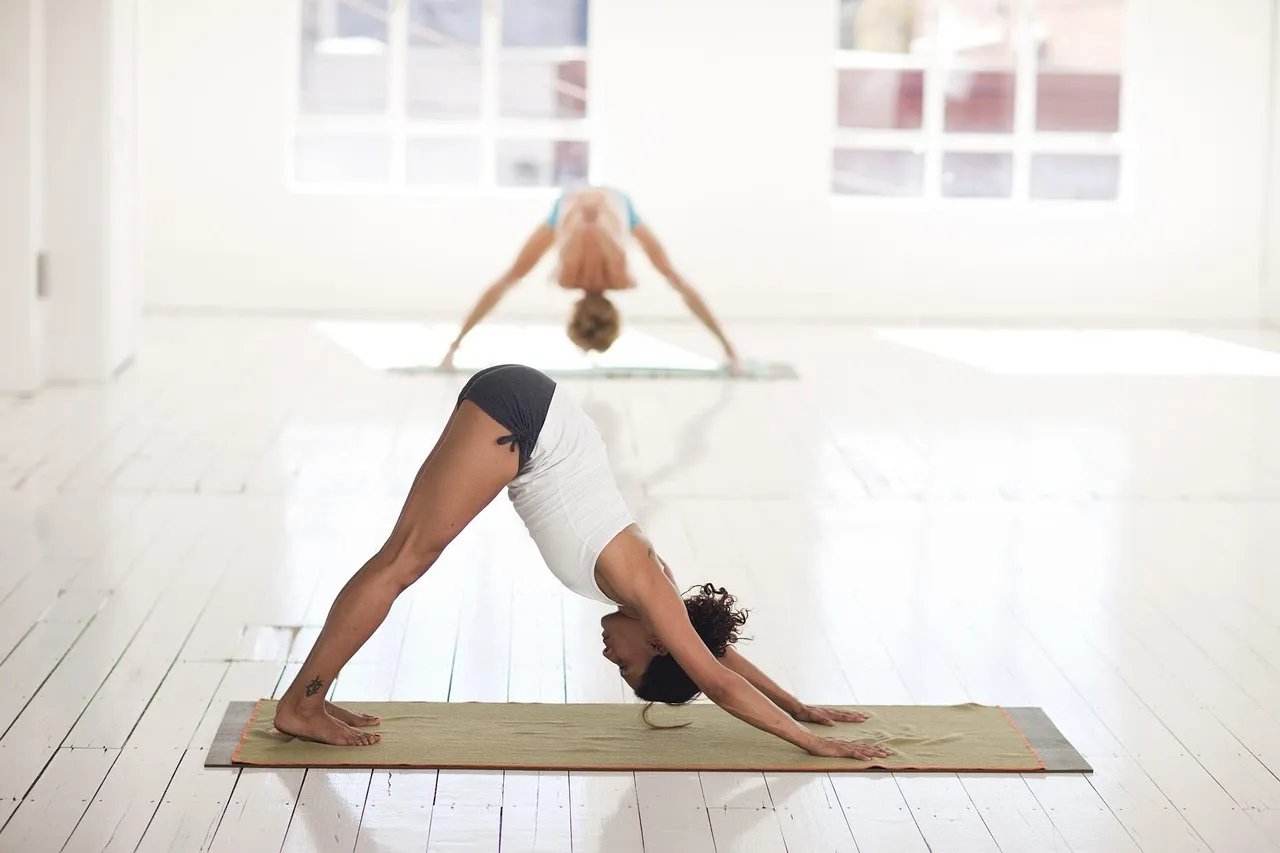
Both practices combine movement with breath awareness. You don't need to be flexible or experienced to benefit from gentle yoga or tai chi classes designed for beginners.
Incorporating Mindfulness Into Your Daily Routine
The most effective mindfulness practice is one you'll actually do. Here's how to seamlessly integrate mindfulness into your existing routine:
Start Small
Begin with just five minutes daily. This removes the intimidation factor and builds consistency. As mindfulness becomes habitual, naturally extend your practice.
Create Mindfulness Triggers
Link mindfulness to existing habits:
- Morning coffee: Drink mindfully, noticing each sip
- Commute: Practice breathing exercises or mindful walking
- Lunch break: Take a mindful eating pause
- Evening: Do a body scan before bed
Use Technology Wisely
Apps like Insight Timer, Calm, and Headspace offer guided meditations perfect for beginners. However, avoid becoming dependent on technology—the goal is to internalize these skills.
Practice Mindful Pauses
Throughout your day, take 60-second mindfulness breaks. Stop what you're doing, take three conscious breaths, and notice your physical and emotional state. This simple habit reduces stress accumulation.
Be Patient With Yourself
Your mind will wander—this is not failure. Each time you notice your attention has drifted and gently bring it back, you're building your mindfulness muscle. Progress matters more than perfection.
Conclusion
Starting a mindfulness practice doesn't require special skills or resources. Easy mindfulness practices are tools everyone can access immediately. Whether through breathing techniques, body awareness, or mindful movement, you have multiple pathways to greater peace and presence. Begin today with just one simple practice, be consistent, and watch as mindfulness gradually transforms your relationship with stress, your mind, and your life.
Stay Inspired
Get a daily dose of positivity delivered to your inbox.