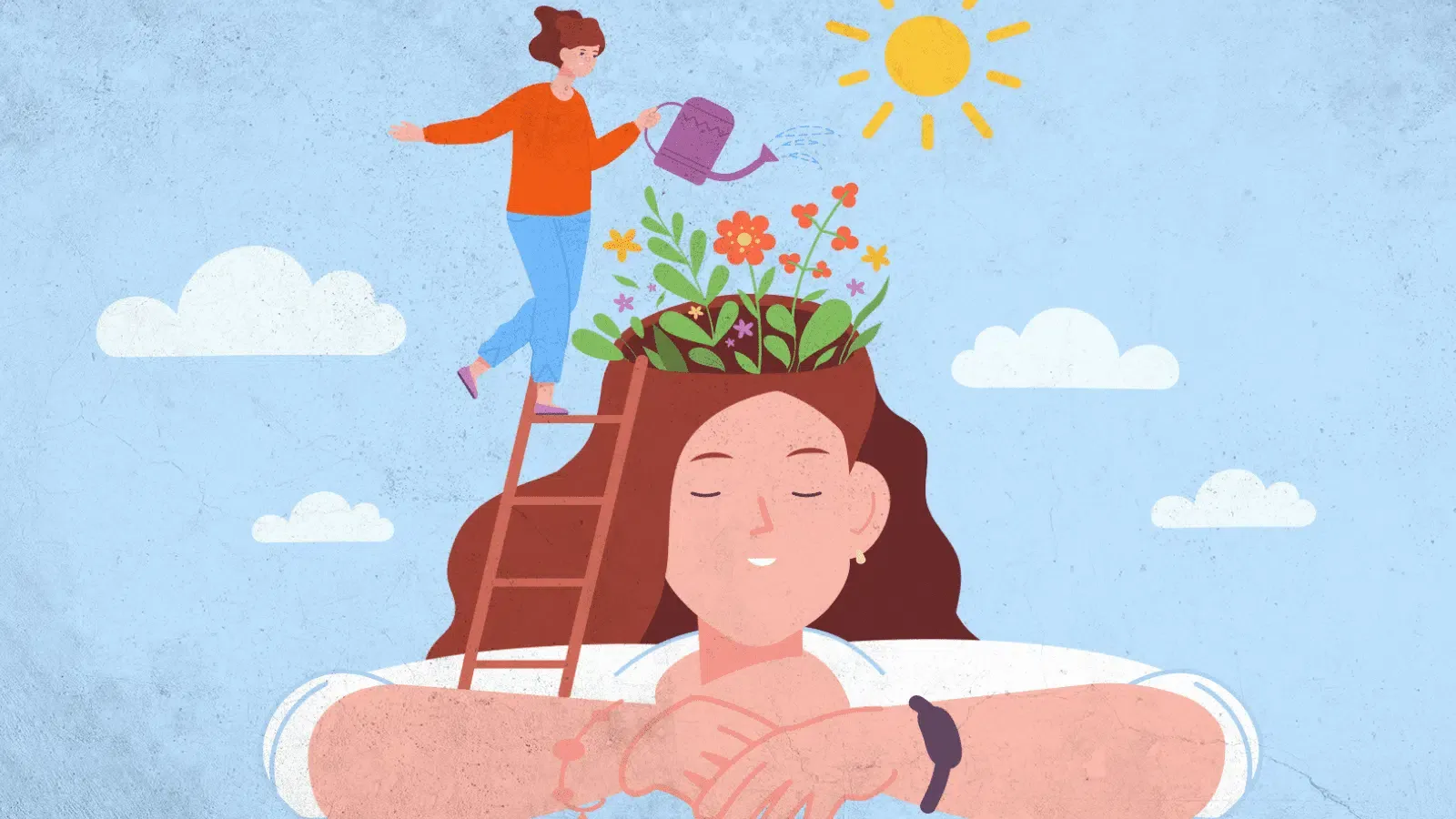
Cultivating Gratitude Benefits for Mental Health

Understanding the Power of Gratitude in Modern Life
In a world filled with constant demands and endless distractions, cultivating gratitude benefits has become more important than ever for our mental and emotional well-being. Gratitude is far more than a simple expression of thanks—it represents a fundamental shift in how we perceive and interact with our lives. When we actively practice gratitude, we train our minds to recognize and appreciate the positive elements that already exist in our daily experience.
The science of gratitude has grown substantially over the past two decades, with researchers confirming what many ancient wisdom traditions have taught for centuries. By consciously focusing on what we're thankful for, we literally rewire our neural pathways and change our emotional baseline. This transformation isn't instantaneous, but rather a gradual process that compounds over time, leading to measurable improvements in mental health outcomes.
The Foundation of Gratitude Practice
- Recognizing small, everyday moments of goodness often overlooked
- Understanding gratitude as a choice rather than an automatic response
- Creating space for appreciation in daily routines
- Building awareness of abundance already present in your life
- Developing gratitude as a practical mental health tool
The Neuroscience Behind Cultivating Gratitude Benefits
The research into cultivating gratitude benefits reveals fascinating neurobiological mechanisms that explain why this practice is so transformative. When we experience gratitude, our brains release dopamine and serotonin—the same chemicals targeted by many antidepressants. This natural neurochemical response creates a foundation for improved mood, reduced anxiety, and enhanced overall mental clarity.
Brain imaging studies have shown that regular gratitude practice strengthens the prefrontal cortex, the region responsible for decision-making, emotional regulation, and empathy. Simultaneously, gratitude practice reduces activity in the amygdala, our brain's alarm system, leading to decreased anxiety and improved stress resilience. These neurological changes are not permanent fixtures but require consistent practice to maintain and strengthen.
How Gratitude Reshapes Your Brain
- Increased dopamine and serotonin production through consistent gratitude practice
- Strengthened prefrontal cortex function for better emotional control
- Reduced amygdala activation and decreased threat perception
- Improved neural connections supporting positive thinking patterns
- Enhanced neuroplasticity and brain adaptability through repetitive practice
Mental Health Benefits of Cultivating Gratitude Daily
Cultivating gratitude benefits extends deeply into mental health improvements that research continues to validate and celebrate. People who regularly practice gratitude report significantly lower rates of depression, anxiety, and stress-related disorders compared to those who don't. This isn't merely a correlation; the causal relationship has been demonstrated through controlled studies where gratitude interventions produced measurable mental health improvements.
Beyond reducing negative emotions, cultivating gratitude actively enhances positive psychological states including contentment, joy, and life satisfaction. Gratitude creates a cognitive shift that helps us contextualize challenges as temporary or manageable rather than catastrophic. This reframing ability becomes a powerful tool for emotional resilience, helping us navigate life's inevitable difficulties with greater psychological strength.
Specific Mental Health Improvements
- Significant reduction in symptoms of depression and persistent sadness
- Decreased anxiety levels and improved emotional regulation
- Enhanced self-esteem and improved body image perception
- Stronger emotional resilience when facing challenges and setbacks
- Increased overall life satisfaction and sense of purpose
Practical Strategies for Cultivating Gratitude Benefits
Understanding the benefits of gratitude is valuable, but transformation happens through consistent practice and dedicated action. The most effective approaches for cultivating gratitude benefits integrate seamlessly into your daily routine, requiring minimal time while yielding maximum impact. These evidence-based strategies have helped thousands of people experience genuine improvements in their mental health and overall quality of life.
The key to sustainable gratitude practice lies in finding methods that resonate with your personality and lifestyle. Whether you're naturally reflective or more action-oriented, there exist gratitude practices designed specifically for your preferences. The following strategies provide a comprehensive toolkit for beginning or deepening your gratitude journey.
Proven Gratitude Cultivation Methods
- Gratitude journaling: Write three to five specific things you're grateful for each evening, including why they matter to you
- Gratitude meditation: Spend 10-15 minutes daily focusing on appreciation and bringing specific moments to mind with sensory detail
- Expressing appreciation: Regularly tell people directly how much you value them and specifically why their presence matters
- Mindful pausing: Pause throughout the day to consciously notice and appreciate small positive moments
- Gratitude rituals: Establish family or personal traditions centered on sharing appreciation and acknowledging blessings
Deepening Your Practice Over Time
Starting a gratitude practice often feels natural and inspiring, but maintaining consistent effort requires intentional strategies. Many people experience an initial enthusiasm that gradually fades without structure and accountability. By combining multiple approaches and varying your practice, you maintain engagement and deepen the neurological benefits of gratitude work.
Consider creating accountability partnerships where you share your gratitude practice with a trusted friend or family member. This external commitment increases follow-through while creating opportunities for deeper connection. Additionally, regularly reviewing your gratitude journal entries reminds you of blessings you might otherwise forget, reinforcing the positive neural pathways you've been building.
Overcoming Obstacles to Cultivating Gratitude Benefits
While gratitude practice offers tremendous benefits, the journey isn't without challenges, especially for those dealing with significant mental health struggles. Some individuals worry that practicing gratitude might minimize their genuine pain or validate genuinely difficult circumstances. Others find it difficult to access appreciation when depression, anxiety, or trauma colors their perception of reality.
These concerns are entirely valid and deserve respectful attention. Cultivating gratitude benefits doesn't mean denying genuine hardship or suppressing authentic emotions. Rather, it creates space for acknowledging both difficulty and goodness simultaneously, recognizing that life contains complexity and nuance. For those with severe mental health challenges, gratitude practice works best as a complement to professional treatment, not a replacement.
Common Challenges and Solutions
- Feeling forced or inauthentic: Start with tiny, genuinely felt appreciations rather than forcing yourself to feel grateful for things you don't
- Depression blocking appreciation: Pair gratitude practice with professional mental health support and be patient with yourself during difficult periods
- Resistance to the practice: Experiment with different methods until you find one that feels natural and sustainable for your personality
- Difficulty maintaining consistency: Anchor your practice to existing habits (morning coffee, bedtime routine) to build automaticity
- Feeling ungrateful during loss: Recognize that grief and gratitude can coexist; appreciating someone doesn't negate the pain of losing them
Supporting Your Practice Through Obstacles
When you encounter resistance or find your motivation waning, approach yourself with compassion rather than self-criticism. The gratitude practice itself teaches us that small, authentic expressions are more valuable than grand gestures. If your formal practice feels unsustainable, reduce the commitment rather than abandoning it entirely.
Consider joining a gratitude community, whether online or in-person, where others share their experiences and support each other through challenges. This connection transforms gratitude from an isolated practice into a shared human experience. Many people find that witnessing others' gratitude journey deepens their own commitment and provides inspiration during difficult periods.
Key Takeaways
- Neuroscience validates gratitude: Regular gratitude practice literally rewires your brain, increasing dopamine and serotonin while reducing stress responses
- Mental health transformation is measurable: Research demonstrates significant reductions in depression, anxiety, and stress-related conditions through consistent gratitude practice
- Authenticity matters more than perfection: Small, genuine appreciations compound over time to create profound changes in mental health and life satisfaction
- Consistency beats intensity: Daily gratitude practice, regardless of method, produces better results than sporadic concentrated efforts
- Gratitude complements professional support: For those with significant mental health challenges, gratitude practice works best alongside therapy and medical treatment rather than as a replacement
Frequently Asked Questions
What does it mean to cultivate gratitude?
What are the proven benefits of cultivating gratitude?
How long does it take for gratitude practice to work?
What is the easiest way to cultivate gratitude daily?
Does keeping a gratitude journal really work?
Can you cultivate gratitude during difficult times?
What is the difference between gratitude and toxic positivity?
Are there gratitude practices besides journaling?
Stay Inspired
Get a daily dose of positivity delivered to your inbox.