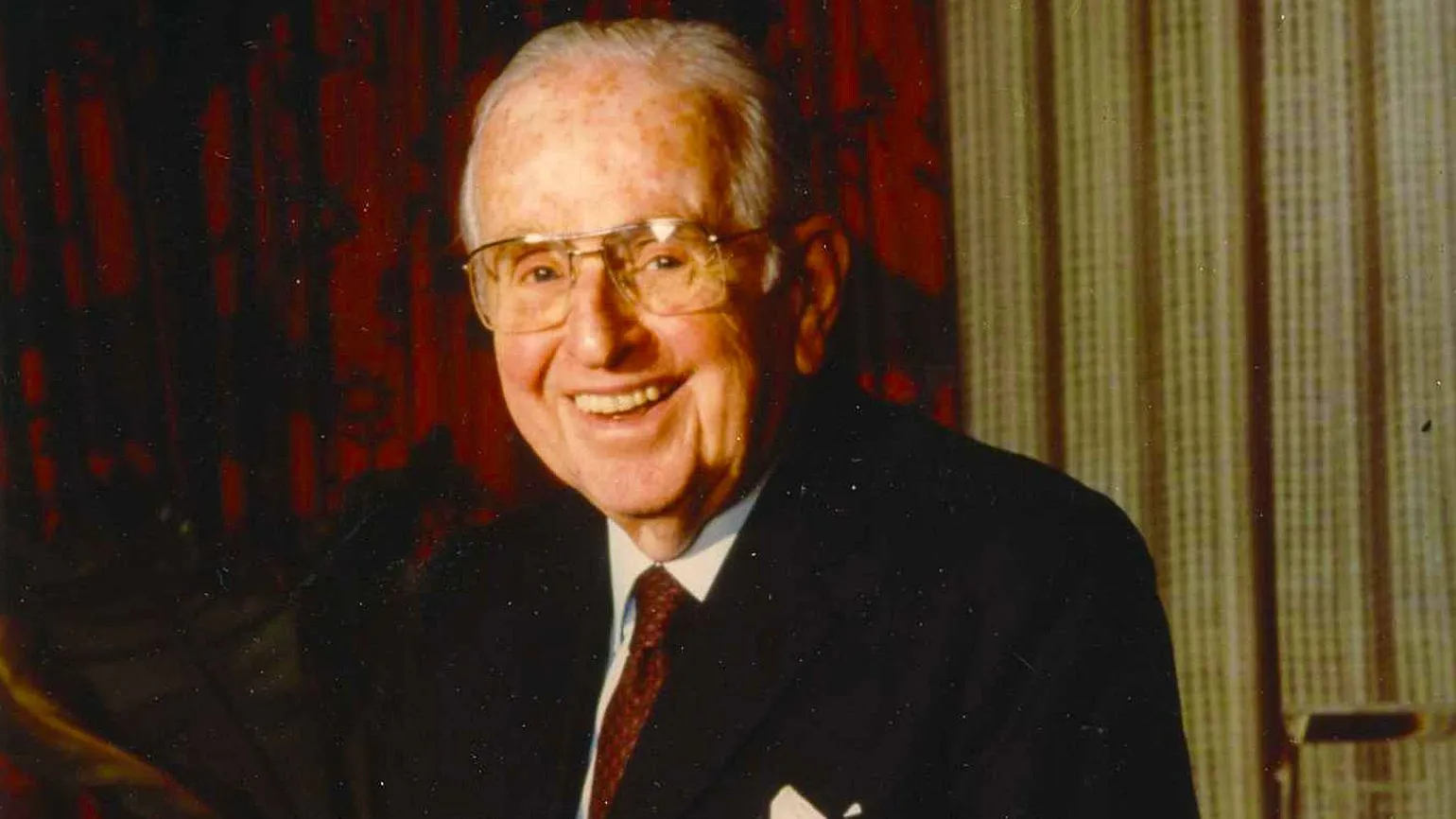
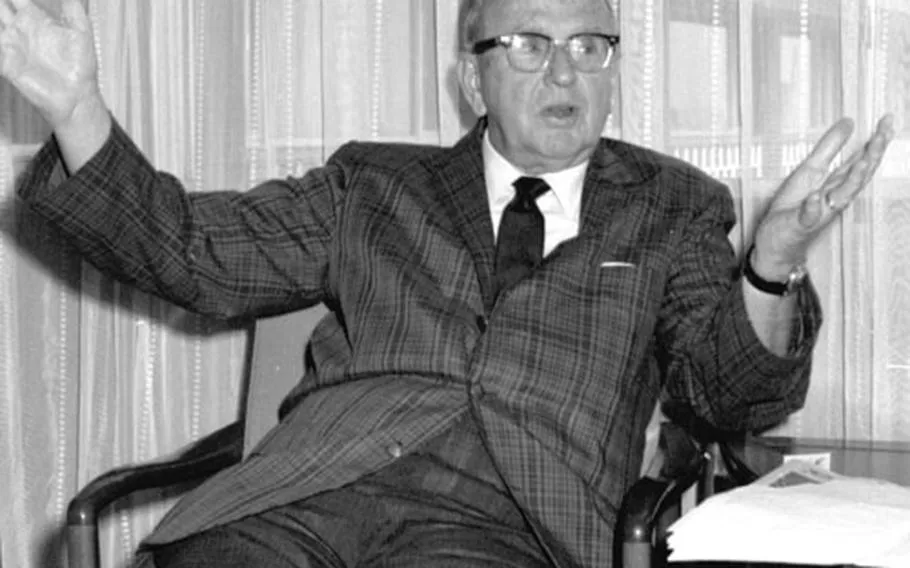
Vincent Peale
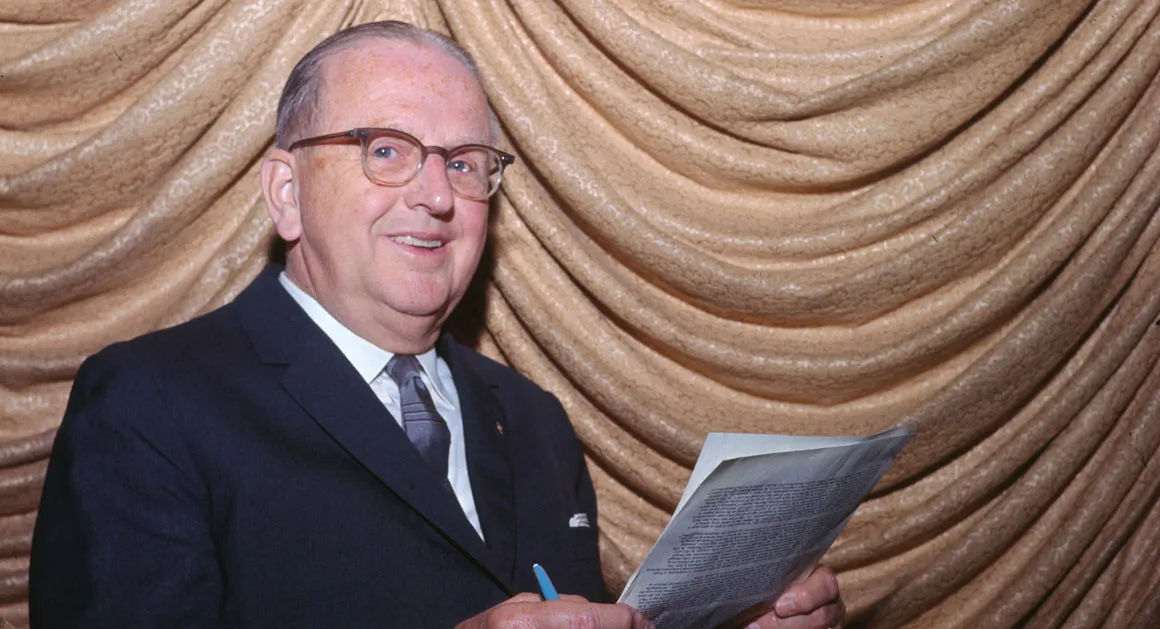
Norman Vincent Peale revolutionized how millions think about themselves and their potential through his groundbreaking work on positive thinking. His belief that "change your thoughts and you change your world" remains one of the most practical and accessible approaches to building a meaningful, resilient life today.
If you've ever wondered how to break free from self-doubt, overcome setbacks, or simply feel more hopeful about your future, Peale's teachings offer a framework that goes far beyond wishful thinking. This guide explores his core principles and shows you how to apply them in real life.
Who Was Norman Vincent Peale and Why His Work Still Matters
Norman Vincent Peale was an American minister and author whose 1952 book "The Power of Positive Thinking" became one of the most influential self-help works of the 20th century. What made Peale different from other motivational figures was his grounding in both psychology and spirituality. He wasn't selling quick fixes—he was offering a practical philosophy for living.
Peale spent decades counseling people struggling with anxiety, failure, and fear. He noticed a consistent pattern: those who approached life with constructive thinking found solutions faster, recovered from setbacks more gracefully, and built stronger relationships. His work bridged the gap between faith-based inspiration and behavioral psychology, making it relevant whether or not you consider yourself religious.
Today, his core insights align perfectly with modern research on neuroplasticity and cognitive reframing. Neuroscience confirms what Peale intuited: our thoughts genuinely shape our brain pathways, emotional responses, and behavior. This isn't about ignoring problems. It's about how you relate to them.
The Core Principle: Your Thoughts Create Your Reality
The foundation of Norman Vincent Peale's philosophy is beautifully simple: what you habitually think about becomes your reality. This doesn't mean visualization alone solves problems. Instead, Peale taught that dominant thoughts influence how you perceive opportunities, approach challenges, and ultimately what you're capable of achieving.
When you wake up thinking, "Today will be difficult," your brain actually filters the environment to confirm that belief. You notice obstacles more than solutions. You interpret ambiguous situations negatively. When you wake up thinking, "I'm capable of handling what comes," the same challenges appear navigable because you're primed to notice resources and possibilities.
This shift isn't denial. It's choosing the most accurate, most useful version of the truth available to you in any moment.
Practical Steps for Rewiring Your Thoughts Daily
Peale wasn't interested in theory alone. He offered concrete practices that anyone could use immediately:
1. Practice Affirmative Prayer or Conscious Affirming
- Choose one specific area where you struggle (confidence at work, creative expression, self-worth)
- Create a simple, present-tense statement that contradicts the limiting belief
- Instead of "I'll eventually be confident," try "I am growing more confident each day"
- Repeat this 3-5 times daily, especially first thing in the morning and before sleep
- Notice where this feels true, even in small ways
2. Visualize Positive Outcomes Before They Happen
- Spend 2-3 minutes the night before a challenging event mentally rehearsing success
- See yourself handling the situation with clarity and composure
- Feel the sensations of doing well
- This programs your nervous system and builds actual confidence
3. Maintain a Thought Record
- For one week, jot down recurring negative thoughts that arise
- Identify patterns (perfectionism, catastrophizing, comparison)
- For each, write a more grounded, constructive alternative
- Review this list whenever the old thought emerges
Peale emphasized that these practices work because they're cumulative. One affirmation changes nothing. A hundred shift everything.
Norman Vincent Peale on Overcoming Fear and Doubt
Fear is perhaps the most destructive thought pattern—and Peale spent considerable energy helping people understand and move through it. He taught that fear isn't solved by being fearless. It's solved by doing what you're afraid of anyway, repeatedly.
His method had three stages:
Name the fear specifically. Don't say "I'm anxious about my presentation." Say "I'm afraid I'll forget my points and people will think I'm unprepared." Specificity drains fear of its power and reveals what's actually true versus imagined.
Test the fear's validity. How many times have you actually forgotten everything? What evidence contradicts this fear? Peale called this "fact-finding," and it's remarkably effective because fear thrives in vagueness.
Take action despite the fear. The only way to prove to your nervous system that the feared outcome isn't your destiny is to face it repeatedly. Each time, your brain updates its threat assessment. Fear doesn't disappear—it simply loses its veto power.
In his counseling work, Peale witnessed people move from paralyzed to powerful through this simple progression. He noted that those who waited for courage before acting never got there. But those who acted and let courage follow transformed their lives.
Building Belief Through Community and Mentorship
One often-overlooked aspect of Peale's work is his emphasis on surrounding yourself with people who believe in you and in the power of positive thinking. He wasn't advocating isolation or toxic positivity from others. Rather, he recognized that beliefs are contagious. When you spend time with people who are pursuing meaningful goals, bouncing back from setbacks, and treating challenges as opportunities, that mindset becomes normal to you.
Practical ways to build this:
- Join a group or community centered on growth (a book club, spiritual practice, hobby, or professional association)
- Find one person slightly ahead of you in an area you want to develop and learn from them
- Share your goals with at least one person who will remind you of your capability on hard days
- Reduce time with people who chronically reinforce limiting beliefs about what's possible
- Be that person for someone else—mentoring others actually deepens your own positive thinking
Peale believed that faith in yourself grows exponentially when reflected back by others. This isn't about false cheerleading. It's about spending time with people who assume growth is possible.
Integrating Peale's Teachings Into Daily Wellness Practice
You don't need to overhaul your life to benefit from Norman Vincent Peale's insights. Small, consistent practices create real change:
Morning anchoring (3 minutes): Before checking your phone, sit quietly and consciously choose your dominant thought for the day. Not a denial of real challenges, but an intentional commitment to how you'll approach them.
Thought replacement during the day (2-3 minutes when needed): When you catch yourself in a limiting spiral, pause and actively replace it with something more useful. "I can't" becomes "I haven't yet." "This always happens to me" becomes "This happened in the past; this moment is new."
Evening reflection (2 minutes): Notice one moment today where you chose a constructive thought over a limiting one, even in small ways. This trains your brain to recognize these victories.
Weekly planning (10 minutes): Identify one area where you want to shift your thinking. Choose one practice from above. Commit to it for one week. The consistency matters more than the complexity.
Over time, these practices rewire your default thinking patterns. You don't have to force positivity. It becomes your natural orientation.
Real-Life Applications and Examples
Peale's philosophy becomes meaningful when you see it in action.
In career challenges: An executive facing a major presentation kept thinking, "I'll stumble and lose their respect." By shifting to "I've prepared thoroughly; I'll handle whatever comes," she reframed the task from a threat to a demonstration of competence. Same presentation, different mindset, entirely different outcome.
In relationships: A person stuck in conflict patterns started affirming, "I choose clarity and kindness in my communication," instead of replaying old arguments mentally. This singular shift made their listening more genuine and their responses less reactive. Relationships improved without any other intervention.
In health and resilience: During recovery from illness, patients who maintained thoughts like "My body is healing" and "I'm growing stronger each day" reported better compliance with treatment and faster progress than those dwelling on worst-case scenarios. Peale argued this wasn't magical thinking—it was the difference between active recovery and passive victimhood.
These aren't anecdotes. They're the predictable results of consistently choosing constructive over destructive thinking patterns.
Why Positive Thinking Isn't About Ignoring Problems
A common misconception is that Peale taught you to ignore or minimize real difficulties. The opposite is true. He believed you should look problems directly in the eye with calm clarity, then ask: "What's the best way to move forward?" This requires realistic, clear thinking—not denial.
When you're calm, you problem-solve better. When you're in fear-based thought spirals, you're less resourceful. Positive thinking simply means approaching problems from your wisest self rather than your frightened self.
The distinction: Denial says "This problem doesn't exist." Constructive thinking says "This problem exists. Here's what I can do about it." That's the Peale method.
Frequently Asked Questions About Norman Vincent Peale and Positive Thinking
Is positive thinking the same as religious faith?
Not necessarily. Peale was a minister, so his work had spiritual dimensions. But his core principles—that your thoughts influence your outcomes and that you can consciously reshape them—are secular and evidence-based. You can practice Peale's methods whether or not you have religious beliefs.
What if I've tried positive affirmations and they felt fake?
You might be using affirmations that contradict your current beliefs too sharply. Instead of jumping to "I'm confident," start with "I'm becoming more confident" or "I have moments of real confidence." The statement should feel like a stretch, not a lie. You also need repetition—single-use affirmations don't work. Consistent practice over weeks does.
How long does it take to see results from changing my thoughts?
You might notice shifts in how you respond to situations within days. Genuine habit change typically takes 4-8 weeks of consistent practice. Major life transformation takes months and years. Peale emphasized patience and persistence because meaningful change doesn't happen overnight.
Can positive thinking actually change external circumstances?
Directly? No. Indirectly? Absolutely. Positive thinking changes how you perceive opportunities, how you take action, and how you persist through setbacks. This changes what you attract and achieve. It's not magic—it's the difference between someone who gives up after one rejection and someone who tries 20 times.
What if I'm dealing with anxiety or depression?
Peale's approach can complement professional mental health care but doesn't replace it. If you're struggling with clinical depression or severe anxiety, work with a therapist or physician alongside these practices. Positive thinking is a powerful wellness tool, not a clinical intervention.
How does this relate to self-compassion and acceptance?
Perfectly. You can accept that you made mistakes, feel genuine disappointment, and still choose how you move forward. Acceptance says "This happened." Positive thinking says "And now I'm capable of responding wisely." Both are important.
Is there scientific evidence that Peale's methods work?
Modern research on cognitive reframing, neuroplasticity, and mindset confirms the core principles. Studies on visualization, affirmations, and the impact of thought patterns on resilience and outcomes validate what Peale intuited decades ago. The science has caught up to his philosophy.
How do I stay consistent with these practices?
Start small—pick one practice and commit to two weeks. Anchor it to something you already do daily (after coffee, before bed). Track it simply. The goal isn't perfection; it's building the habit so that positive, constructive thinking becomes your default mode rather than something you have to force.
Norman Vincent Peale's greatest contribution wasn't a complicated system. It was the simple, powerful insight that you have far more agency over your life than you typically assume. Your thoughts aren't fixed. Your patterns aren't destiny. Your future isn't determined by your past. That's not wishful thinking. That's freedom.
Stay Inspired
Get a daily dose of positivity delivered to your inbox.