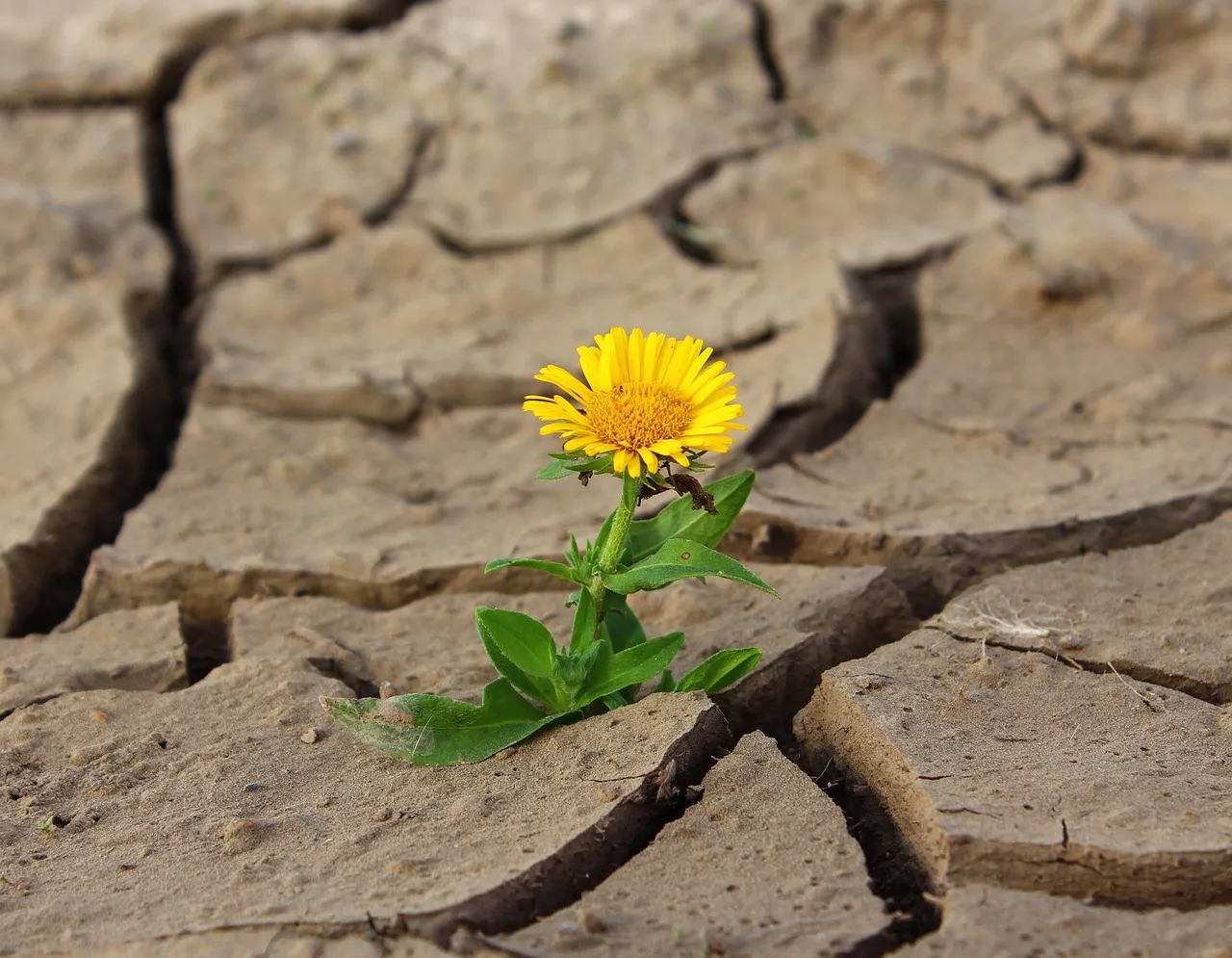
Resilience Examples
Resilience examples show us that strength isn't about never falling down—it's about how you get back up and what you learn along the way. When you understand what resilience actually looks like in real life, you can begin building it in your own day-to-day experience, turning challenges into moments of growth.
What Resilience Really Looks Like
Resilience examples are everywhere once you know where to look. A resilience example might be the friend who lost her job and spent three months restructuring her career, discovering a path she actually preferred. Or the person who faces chronic pain each morning and still shows up for his family with patience and presence. These aren't extraordinary superhero moments—they're the quiet, persistent choices people make when things get difficult.
True resilience examples involve flexibility more than strength. They show someone acknowledging that things are hard, feeling their feelings fully, and then choosing one small action forward. That's what resilience looks like: not bypassing pain, but moving through it with intention.
Many resilience examples reveal a common pattern: the person didn't transform overnight. They made micro-decisions. They asked for help. They rested when needed. They kept going. These are the kinds of examples worth studying, because they're replicable.
Resilience Examples in Everyday Setbacks
The most powerful resilience examples come from ordinary challenges, not dramatic tragedies. Consider someone who faces rejection—a job application declined, a creative project turned down, a relationship that ended. How they move forward becomes their resilience example.
One realistic resilience example: Sarah applied to six jobs and was rejected five times. Instead of seeing this as failure, she treated each rejection as feedback. She asked hiring managers for specific guidance. She adjusted her resume and interview approach. She celebrated the one interview that went well, learned from the ones that didn't, and kept applying. Within three months, she landed a role she actually wanted. Her resilience example isn't that she never failed—it's that she stayed curious about her failures.
Another resilience example involves Mark, who struggled with a difficult coworker. Rather than quit or grow resentful, he set boundaries, documented interactions, and brought the issue to HR constructively. When it didn't fully resolve, he refocused his energy on the parts of his job he loved and found community outside work. His resilience example shows how to protect your peace without requiring everything to go perfectly.
These everyday resilience examples matter more than we realize. They teach us that resilience isn't rare—it's just the skill of moving forward despite difficulty, which is something you practice multiple times each week.
Building Your Resilience Practice
Resilience isn't something you develop once and keep forever. It's a skill you strengthen through regular practice, much like a muscle. The best resilience examples show people who built the habit of bouncing back by practicing it consistently.
Create your resilience practice with these steps:
- Notice where you already show resilience. You've bounced back from things before. What did you do? Did you talk to someone? Rest? Take action? Write down three past resilience examples from your own life.
- Identify your current stressors. What's challenging you this month? What small setback could happen that you'd need to bounce back from?
- Choose one resilience skill to focus on. Maybe it's asking for help, taking action despite fear, or finding meaning in difficulty.
- Practice it intentionally. Wait for a real challenge to arise, then apply your skill with full awareness.
- Reflect afterward. What helped? What would you do differently? This reflection becomes your personal library of resilience examples.
The most useful resilience examples are your own. When you notice yourself handling difficulty well, pause and acknowledge it. This reinforces the neural pathways that support resilience and gives you confidence for the next challenge.
Resilience Examples From Taking Imperfect Action
One underrated resilience example is doing something despite it not being perfect. Most people wait until they feel ready, confident, and prepared before acting. Resilient people often act while nervous, incomplete, and uncertain—then adjust as they go.
Elena wanted to start a small business but felt unprepared. She spent a year researching, planning, and preparing. The day she finally launched, she realized she could have started nine months earlier with what she had. Her resilience example now is this: she began her second business with 60% readiness instead of waiting for 90%. She launched, learned from real customers, and grew faster than the first time.
This resilience example—moving forward with incomplete information—is one you can practice regularly. When you're waiting for perfect conditions, ask yourself: What's the minimum I need to proceed? Can I start there and improve as I go?
Other resilience examples in this category include:
- Having a conversation when you're nervous about it
- Sharing your work before it feels polished
- Trying something new without guaranteeing you'll be good at it
- Asking for help even though you prefer handling things alone
- Admitting a mistake rather than defending it
These modest resilience examples strengthen your ability to tolerate uncertainty and move forward anyway.
Real-World Resilience Examples in Different Areas of Life
In relationships: Maya's parent developed memory loss. Instead of withdrawing in grief, she adjusted her visits, found new ways to connect, and accepted that the relationship would look different. Her resilience example shows how to adapt rather than abandon when circumstances change.
In health: David changed his diet for medical reasons and expected to feel deprived. Instead, he made it a curiosity experiment—trying new recipes, finding flavors he loved, and involving his family. His resilience example demonstrates how reframing difficulty as exploration changes the experience.
In finances: Jen experienced an unexpected major expense. Rather than panic, she created a three-month payment plan, found additional income temporarily, and learned this would inform her emergency fund. Her resilience example shows how to treat setbacks as information.
In creative work: Ahmad submitted a manuscript that was rejected. He read the feedback carefully, revised substantially, and submitted elsewhere. His resilience example teaches that criticism on your work isn't criticism of your worth.
In career transitions: Priya left a prestigious job that wasn't fulfilling. She took a lower-paying role in a field she loved, accepted a temporary income reduction, and found her work fulfilling again. Her resilience example shows that sometimes resilience means changing direction, not pushing harder on the same path.
Notice what these resilience examples share: They all involve accepting reality, feeling the feelings, choosing a direction, and taking ongoing action. That's the formula.
The Connection Piece: Why Resilience Examples Remind Us We're Not Alone
One reason resilience examples matter so much is that they combat isolation. When you're struggling, knowing that others have struggled similarly and moved through it changes everything. This is why hearing resilience examples from real people (not celebrities, but people like you) is so powerful.
Building resilience is deeply connected to belonging. The resilience examples that impact us most are often those we hear from people we trust. When your friend tells you how she handled her own crisis, you get permission to handle yours differently than you thought you should.
This suggests a practice: Share your resilience examples. Not to brag or perform strength, but to normalize the experience of struggling and moving forward. When you say, "I was scared about this change and here's what I did," you're giving others permission to be scared and take action anyway.
Your resilience examples don't need to be dramatic successes. They can be quiet victories: You spoke up in a meeting even though your heart raced. You ended a friendship that wasn't working. You tried something new and failed, then tried again. You asked for help. You rested even though you felt guilty about it. These are the resilience examples that matter most to the people around you.
Creating Your Personal Resilience Practice
Instead of waiting for crisis to develop resilience, you can practice it now with smaller challenges. This makes you more resilient when larger difficulties arise.
Daily resilience practices:
- Notice one difficult emotion without trying to fix it immediately. Sit with it for five minutes. Notice you're okay.
- Do one thing that makes you slightly nervous. Small discomfort builds resilience.
- Ask for help with something rather than handling it alone.
- Make one decision despite incomplete information, then notice you can adjust as you go.
- Acknowledge one way you handled something well, no matter how small.
Weekly reflection: Each week, write down one moment when you showed resilience. It doesn't need to be big. Then notice the pattern—what strength did you use? This becomes your personal library of resilience examples to draw on during harder times.
Monthly practice: Choose one area where you want to build resilience. Identify the specific skill you need (asking for help, taking action despite fear, staying flexible). Commit to practicing it once. Notice what you learn.
The most effective resilience examples are the ones you create through intentional practice. You're not born resilient. You become resilient through repeated experiences of handling difficulty and moving forward.
Learning From How Others Navigate Difficulty
Pay attention to the people around you who seem to navigate difficulty well. What are they actually doing? These real-life resilience examples are your best teachers.
You might notice someone who:
- Acknowledges when things are hard without drowning in the difficulty
- Asks for support rather than pretending everything is fine
- Finds meaning or learning in challenging situations
- Maintains perspective without minimizing real pain
- Takes action even when outcomes are uncertain
- Lets go of things that can't be controlled and focuses on what they can influence
These resilience examples are portable. You can practice the same behaviors. You don't need to wait for a major crisis to begin. Start with small challenges and watch yourself become more resilient with each one.
FAQ: Your Questions About Resilience Examples Answered
What's the difference between resilience and just being tough?
Resilience examples show flexibility and adaptation. Being tough is rigid—pushing through without adjusting. True resilience examples involve feeling emotions fully, reassessing, and changing approach as needed. That's why someone might pause, cry, ask for help, and then move forward. That's resilience. Toughness that never bends eventually breaks.
How do I know if I'm resilient?
You already are, to some degree. Look at challenges you've faced and moved through. That's resilience in action. You probably have resilience examples you haven't named as such. The question isn't whether you're resilient—it's whether you're aware of it and building it intentionally.
Can resilience be learned, or are some people just born this way?
Resilience is learned. Certainly, upbringing influences how we approach difficulty, but resilience examples show that people without advantages can develop tremendous resilience through practice. And people with every advantage can become fragile if they never face manageable challenges. The good news: You can start developing resilience today, at any age.
What if my resilience examples feel small compared to others?
Resilience isn't comparative. Your resilience examples are measured against your own capacity and context, not someone else's. The person who gets out of bed despite depression has a powerful resilience example. The person who speaks up despite anxiety has one. Don't diminish your examples because they're quiet.
How do I stay resilient when things feel too hard?
You don't need to feel resilient. You need to take one small action. Make one phone call. Rest for one hour. Journal for ten minutes. Go for a walk. These micro-actions are what resilience examples actually show—not grand strength, but persistent tiny choices forward. When everything feels too hard, lower the bar significantly and just do that.
Do resilience examples mean I should never complain or feel sad?
No. Healthy resilience examples include full emotional expression. Feeling sad, angry, or frustrated is part of the process. The resilience isn't in bypassing those feelings—it's in feeling them while still moving forward. You can cry and also take action. You can be frustrated and also try something new. Both are true.
How long does it take to become resilient?
You're building resilience every time you move through difficulty. There's no endpoint. The reassuring resilience examples show people developing this capacity across decades and still learning. What changes is that you get faster at recognizing you can move through hard things, and you approach new challenges with more confidence.
What if I've had resilience examples in the past but feel stuck now?
Past resilience doesn't disappear—you've developed that capacity. What you're likely experiencing is that your current challenge feels uniquely hard or unfamiliar. But the skills that got you through before are still in you. You might need to adapt them to this new situation. Sometimes that means asking different people for help, or taking a completely different approach. But your resilience examples are already written into your history.
Stay Inspired
Get a daily dose of positivity delivered to your inbox.