Norman Peale
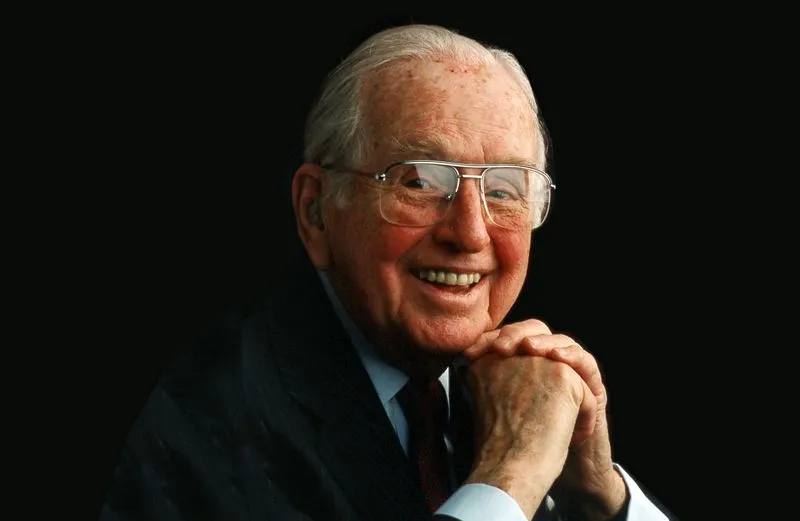
Norman Vincent Peale was a pioneering minister and author who revolutionized how millions of people approach their inner lives through his philosophy of positive thinking. His foundational work, "The Power of Positive Thinking," offers timeless wisdom that remains deeply relevant for anyone seeking to build resilience, overcome self-doubt, and create meaningful change in their daily life.
Who Was Norman Vincent Peale and Why His Work Still Matters
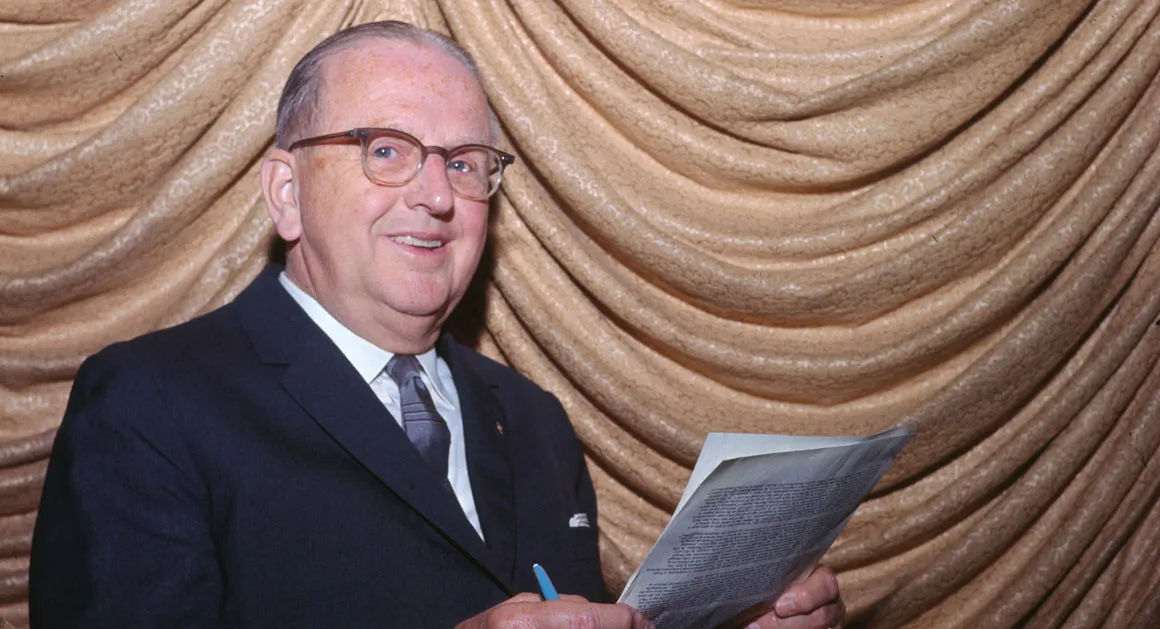
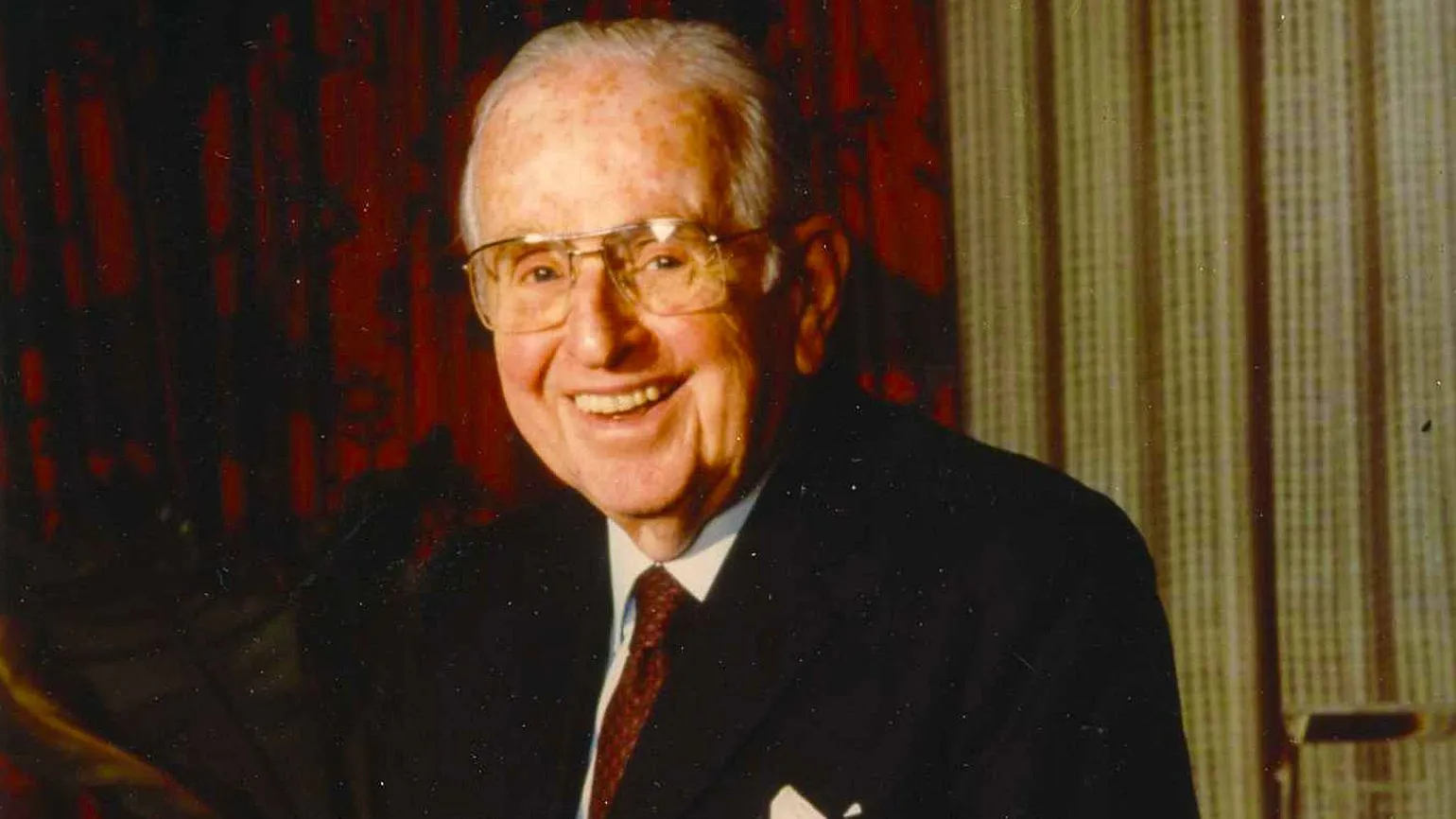
Norman Vincent Peale (1898-1993) spent over five decades as the minister of the Marble Collegiate Church in New York City, where he guided millions of people through personal struggles and spiritual growth. He didn't approach faith as abstract theology—instead, he emphasized practical, actionable wisdom that anyone could apply immediately.
What made Peale revolutionary wasn't the idea of positive thinking itself, but his systematic approach to it. He taught that how we think directly shapes our experiences, relationships, and outcomes. Unlike purely religious rhetoric, Peale grounded his philosophy in observation: he'd sit with church members facing genuine hardship and developed concrete methods to help them shift their mental patterns.
His influence extends far beyond his era. Business leaders, athletes, therapists, and everyday people continue to apply his principles because they work. The bridge between Peale's teachings and modern positive psychology is direct—decades of research now validates what he observed intuitively.
The Core Principles of Norman Peale's Positive Thinking Philosophy
Peale's approach rests on several interconnected beliefs:
- Belief precedes achievement — You must genuinely believe something is possible before your actions align with that possibility.
- Words shape reality — The language you use internally and externally programs your subconscious mind toward success or failure.
- Visualization creates pathways — Mentally rehearsing success activates the same neural patterns as actual experience.
- Faith is actionable — Whether faith is spiritual or simply confidence in yourself, it translates into tangible behavior change.
- Persistence through difficulty is learnable — Resilience isn't innate; it's a skill developed through practice.
The beautiful part of Peale's system is that it doesn't require you to ignore problems or pretend everything is fine. Instead, it teaches you to acknowledge difficulty while simultaneously holding space for possibility.
How Shifting Your Thoughts Changes Your Brain, Body, and Results
When you consistently think positive thoughts, you're not just changing your mood—you're literally rewiring neural pathways. Your brain's neuroplasticity means that repeated thought patterns create stronger connections between neurons.
Here's what happens at a practical level:
- Your nervous system moves out of chronic stress (sympathetic activation) into a more balanced state (parasympathetic activation).
- Your attention filters shift—you begin noticing opportunities you previously overlooked.
- Your body releases different hormones. Optimism increases dopamine and serotonin; anxiety increases cortisol.
- People respond differently to you. When you carry a sense of possibility, others naturally extend more support and collaboration.
Peale observed this in real time. He noticed that people who genuinely believed change was possible moved through difficulties with less struggle. They slept better. Their relationships improved. They made better decisions because they weren't operating from panic.
This isn't wishful thinking. This is how your brain actually works. Positive thinking is a tool as real as a hammer—it requires proper technique and consistent practice to be effective.
Six Practical Techniques Directly from Peale's Teachings
Peale didn't just philosophize—he taught specific methods you can start using today.
1. Affirmation and Prayerful Repetition
Choose a simple, present-tense statement that counters your specific doubt or fear. Examples: "I am capable of handling what comes," "My mind is clear and creative," "I attract helpful people and opportunities."
Repeat this morning and evening, and whenever doubt surfaces. The repetition gradually overwrites the habitual negative thought pattern. This isn't denial—it's redirecting your mental energy toward what you actually want to cultivate.
2. Mental Rehearsal and Visualization
Before a challenging conversation, presentation, or decision, spend 5 minutes vividly imagining success. See yourself calm and capable. Feel the confidence in your chest. Imagine the positive outcome in sensory detail. Your nervous system responds to vivid imagination nearly as strongly as to actual experience.
3. The "Expect the Best" Mindset
This is counter-intuitive but powerful. Instead of bracing for disappointment, consciously cultivate the expectation that things will work out reasonably well. This doesn't mean ignoring risks—it means your default assumption becomes possibility rather than catastrophe.
4. Selective Attention and Self-Talk Interruption
Notice when you're spiraling into catastrophic thinking. The moment you catch it, pause. Take a breath. Consciously redirect: "That's not helpful. Here's what I actually know." This is mental discipline, and like any skill, it improves with practice.
5. Gratitude and Appreciation Practice
Peale taught that gratitude naturally shifts your mental baseline upward. Each morning or evening, identify three genuine things you appreciate—people, experiences, aspects of your life. This rewires your brain to notice abundance rather than scarcity.
6. Action-Taking as Faith
Positive thinking without action is fantasy. Peale emphasized that believing something is possible means you take the steps that align with that belief. This combination—thought plus aligned action—is where real change happens.
Building Daily Positive Thinking Practices That Stick
The principles are one thing. Integration into daily life is another.
Start here:
- Choose one small practice—perhaps morning affirmation or evening gratitude.
- Do it at the same time each day (habit stacking—attach it to something you already do, like coffee or brushing teeth).
- Track it for 21 days. You'll notice shifts in how you feel and respond to challenges.
- Once it's solid, add a second practice.
The key is consistency over perfection. You don't need elaborate rituals. You need small, genuine actions repeated daily.
Real example: A client spent three minutes each morning visualizing her workday going smoothly and her interactions being warm. After two months, her work relationships noticeably improved—not because she became a different person, but because her internal state made her more present and less defensive. Colleagues responded to that shift.
Another example: A man facing job loss started an evening gratitude practice. Instead of spiraling into fear, he noticed what was actually working in his life. This clarity helped him identify his true strengths, which led him toward a career transition he'd been afraid to consider. The positive thinking didn't deny the difficulty—it cleared his mind enough to see the path forward.
Addressing Legitimate Doubts Without Losing the Benefits
A common misunderstanding: Peale taught that positive thinking ignores reality. Actually, he taught that how you *relate* to reality shapes your options.
If you're genuinely skeptical about positive thinking, that's fine. Notice what happens:
- Negative anticipation creates tension, defensive behavior, and closed-off communication—which tends to produce the outcomes you feared.
- Open, possibility-oriented thinking creates relaxation, creative problem-solving, and openness—which tends to create better outcomes.
You don't have to believe in the "power of the universe" or any spiritual framework. You just need to recognize that your mental state affects your decisions, perception, and how others respond to you.
It's also important to note: positive thinking is not a substitute for practical action. You can't think your way into financial security without budgeting and work. You can't think your way out of a medical problem without treatment. Positive thinking complements wise action; it doesn't replace it.
How Norman Peale's Teachings Apply to Modern Life and Challenges
Peale wrote in the 1950s, yet his wisdom translates directly to today's challenges—maybe even more urgently.
In an age of constant information, anxiety, and comparison, Peale's emphasis on controlling your own mental environment is revolutionary. You cannot control what happens in the world, but you absolutely can control the thoughts you entertain and the narratives you run in your mind.
Social media, news cycles, and digital connectivity create a constant stream of negativity bias. Peale's work is essentially a counterbalance—not by ignoring reality, but by consciously choosing where you direct your mental energy.
For relationships, career decisions, health, and personal growth, his core principle remains: what you genuinely believe about yourself and your possibilities shapes what becomes possible.
Creating a Sustainable Positive Thinking Lifestyle
Positive thinking isn't a one-time event. It's a practice, like fitness or learning a language.
Build sustainability this way:
- Start small—one practice, genuinely done, beats ambitious plans abandoned after a week.
- Connect it to something meaningful for you. If you don't care about being more positive, the practice feels hollow. But if you connect it to something you love—being a better parent, doing work you're proud of, having genuine friendships—it becomes real.
- Expect resistance. Your mind has habitual patterns built over decades. They won't shift overnight. Gentle persistence works better than self-criticism.
- Notice small shifts. You sleep a bit better. A conversation goes more smoothly. A creative idea emerges. Celebrate these. They're evidence that the practice is working.
- Find community if possible. Practicing with others—through reading groups, coaching, or simply discussing Peale's ideas with friends—maintains momentum and provides accountability.
The goal isn't to become relentlessly cheerful. It's to develop clarity, resilience, and the ability to move toward what you actually want rather than being driven by fear.
Frequently Asked Questions About Norman Peale and Positive Thinking
Is Norman Peale's work still relevant, or is it outdated?
His specific examples and language reflect the 1950s, but the underlying principles about how thought shapes experience are timeless. Modern neuroscience and psychology actually validate what he observed. The core practices—affirmation, visualization, expectation management—work as well today as they did seventy years ago.
How is positive thinking different from toxic positivity or denial?
Peale never taught ignoring real problems or pretending everything is fine. He taught acknowledging difficulty while simultaneously cultivating the belief that you can navigate it. Toxic positivity says "nothing is wrong." Positive thinking says "this is hard, and I'm capable of handling hard things."
What if I'm struggling with depression or serious anxiety? Is positive thinking enough?
No. Positive thinking is a valuable tool, but serious mental health challenges require professional support—therapy, medical care, or both. Peale's work complements professional help; it doesn't replace it. Think of it as one tool in a comprehensive approach to wellbeing.
How long does it take to notice real changes from practicing positive thinking?
Some people notice shifts in mood and perspective within days. Deeper changes in how you handle challenges typically emerge over weeks and months. The timeline varies, but consistency matters far more than duration. Three focused weeks beats sporadic effort over three months.
Can positive thinking actually change difficult external circumstances?
Positive thinking doesn't directly change circumstances, but it changes how you respond to them. Better responses create better outcomes. Someone facing job loss who spirals into despair takes fewer positive actions than someone who stays clear and possibility-oriented. The external result—finding new work, better-fitting career—often follows from the internal shift.
Is Peale's approach religious, or can secular people benefit from it?
Peale's work is rooted in Christianity, but the core practices—affirmation, visualization, expectation, gratitude—work regardless of your spiritual beliefs. Many people use Peale's framework entirely outside any religious context. The mechanism is psychological and neurological, not dependent on faith.
What if positive thinking feels inauthentic or forced?
At first, it often does. That's normal. You're creating new neural pathways, and new things feel awkward initially. The key is gentle consistency rather than forcing intensity. Start with something small that feels even slightly resonant to you. Authenticity develops through practice, not before it.
How does Norman Peale suggest handling setbacks or failure?
Peale taught that setbacks are information, not identity. When something doesn't work, you extract the lesson and continue forward with your belief intact. Failure doesn't mean you're incapable; it means that particular approach needs adjustment. This reframe—from "I failed" to "I learned something"—is central to his resilience philosophy.
Stay Inspired
Get a daily dose of positivity delivered to your inbox.