Improving Emotional Intelligence | Practical Guide
Understanding Emotional Intelligence and Why It Matters
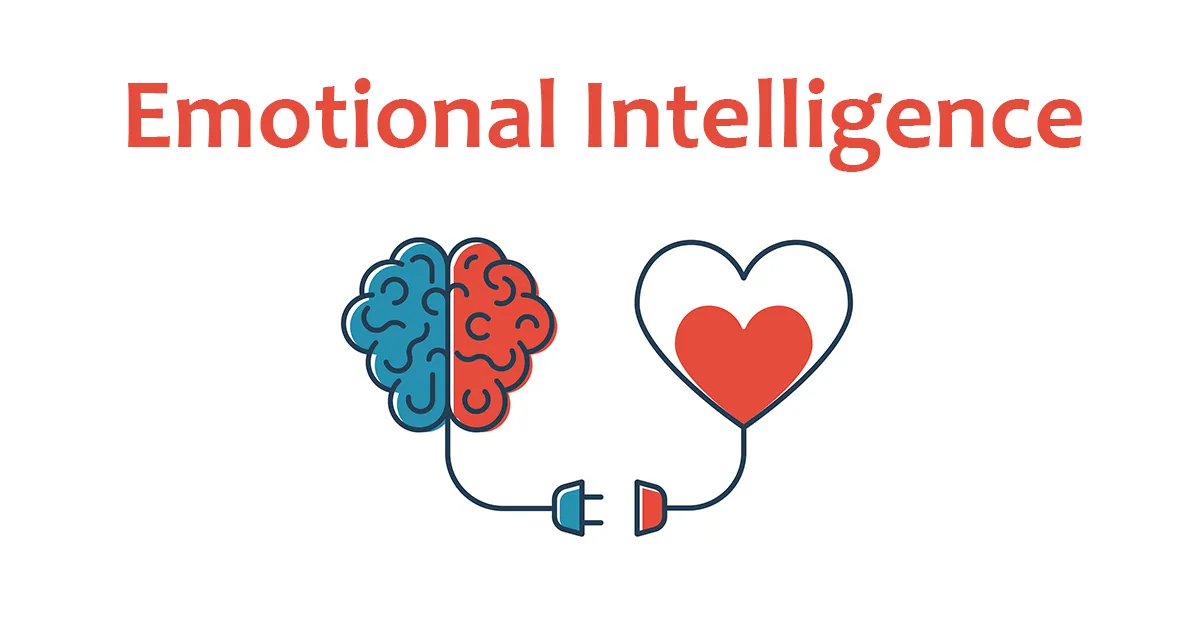
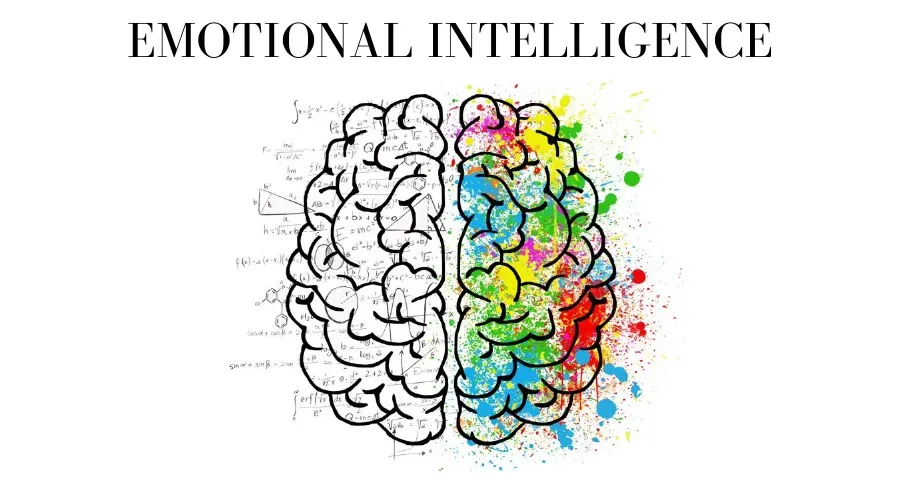
Emotional intelligence (EI) is the ability to recognize, understand, and manage your own emotions while being sensitive to the emotions of others. Unlike IQ, which remains relatively stable throughout life, emotional intelligence can be developed and strengthened over time. Many experts now consider EI just as important—if not more important—than traditional intelligence for success in both personal and professional relationships.
The concept of improving emotional intelligence has gained significant recognition in recent years as organizations and individuals recognize its profound impact on well-being, productivity, and interpersonal dynamics. When you focus on improving emotional intelligence, you're investing in skills that will serve you throughout your entire life.
The Four Core Components
- Self-awareness: Understanding your own emotions and their impact on your thoughts and actions
- Self-regulation: Managing your emotions effectively and maintaining control in challenging situations
- Empathy: Recognizing and understanding the emotions of others with genuine compassion
- Social skills: Using emotional understanding to build stronger, more meaningful relationships
Building Self-Awareness as the Foundation
Self-awareness is the cornerstone of improving emotional intelligence. Without understanding your own emotional landscape, it's nearly impossible to navigate complex social situations or manage your responses effectively. Self-aware individuals can identify their emotional triggers, recognize patterns in their behavior, and understand how their emotions influence their decision-making.
Developing self-awareness requires honest introspection and a willingness to examine your emotional responses without judgment. This process often feels uncomfortable at first, but it's essential for genuine growth and transformation in your emotional capabilities.
Practical Strategies for Building Self-Awareness
- Keep an emotion journal: Write down your feelings throughout the day, noting what triggered them and how you responded
- Practice mindfulness meditation: Spend 10-15 minutes daily observing your thoughts and emotions without trying to change them
- Seek feedback from trusted friends: Ask people you trust how they perceive your emotional responses and behavioral patterns
- Record your stress triggers: Identify specific situations, people, or circumstances that consistently provoke strong emotional reactions
- Reflect before reacting: Create a pause between an emotional trigger and your response to better understand what you're feeling
Developing Emotional Regulation and Self-Control
While self-awareness forms the foundation, emotional regulation is what allows you to actually manage your emotions in constructive ways. Improving emotional intelligence means learning to respond to situations rather than react impulsively. This distinction is crucial—reactions are automatic and often regrettable, while responses are intentional and aligned with your values.
Emotional regulation doesn't mean suppressing your feelings or pretending everything is fine. Rather, it's about acknowledging your emotions while choosing how to express them appropriately. People with strong emotional regulation can remain calm under pressure, recover quickly from setbacks, and maintain perspective during challenging times.
Techniques for Better Emotional Control
- Deep breathing exercises: Use 4-7-8 breathing (inhale for 4 counts, hold for 7, exhale for 8) to activate your nervous system's calming response
- Physical activity: Exercise regularly to process emotions physiologically and reduce stress hormone levels
- The 10-minute rule: When upset, wait 10 minutes before responding to give your rational mind time to engage
- Cognitive reframing: Challenge negative thoughts and replace them with more balanced, realistic perspectives
Enhancing Empathy and Social Understanding
Improving emotional intelligence requires developing genuine empathy—the ability to understand and share the feelings of others. Empathy goes beyond sympathy; it's about truly stepping into someone else's emotional experience and seeing the world from their perspective. When you cultivate empathy, you become more attuned to the subtle emotional cues others display through their words, tone, and body language.
People high in empathy are naturally better communicators, more effective leaders, and more capable of building deep, meaningful relationships. They're often seen as trustworthy because others feel genuinely understood and valued in their presence. This capacity for emotional connection is one of the most powerful benefits of improving emotional intelligence in your interactions with others.
Building Stronger Empathetic Connections
- Practice active listening: Give people your full attention without planning your response while they're speaking
- Validate others' feelings: Acknowledge emotions without needing to fix problems or offer solutions immediately
- Ask thoughtful questions: Show genuine interest in understanding others' experiences, motivations, and concerns
- Observe non-verbal cues: Pay attention to facial expressions, body language, and tone of voice to understand emotional undercurrents
- Cultivate curiosity: Approach different perspectives with genuine interest rather than judgment
Building and Maintaining Healthy Relationships
The ultimate expression of improving emotional intelligence is in how it transforms your relationships. People with high emotional intelligence are naturally better equipped to handle conflict, communicate effectively, and build relationships based on genuine understanding and respect. These individuals navigate disagreements without damaged egos, celebrate others' successes without envy, and provide support without patronization.
Healthy relationships create a positive feedback loop—as your relationships improve, your emotional intelligence continues to develop through greater understanding, more opportunities for empathy, and better practice managing complex interpersonal dynamics. Investing in improving emotional intelligence is therefore one of the most valuable things you can do for your relationships and overall quality of life.
Strengthening Relationships Through Emotional Intelligence
- Communicate assertively: Express your needs and boundaries clearly while respecting others' perspectives and feelings
- Resolve conflict constructively: Focus on understanding the other person's needs rather than winning arguments
- Celebrate others authentically: Show genuine enthusiasm for others' achievements without feeling diminished by their success
- Apologize meaningfully: Take responsibility for mistakes, express genuine remorse, and make amends when appropriate
- Create psychological safety: Build environments where people feel comfortable being vulnerable and authentic
Key Takeaways
- Emotional intelligence is learnable: Unlike IQ, your emotional intelligence can be developed and strengthened at any point in your life through consistent practice and intentional effort
- Self-awareness is foundational: Before you can manage your emotions or understand others, you must first develop a clear understanding of your own emotional patterns and triggers
- Emotion regulation is a skill: Learning to pause between stimulus and response gives you the power to choose your reactions intentionally rather than defaulting to automatic responses
- Empathy transforms relationships: Genuine empathy—the ability to understand and share others' emotions—is the bridge that connects self-awareness to meaningful connections with others
- Improving emotional intelligence creates positive cycles: As you develop these skills, your relationships improve, your stress decreases, and your overall well-being increases, creating momentum for continued growth
Stay Inspired
Get a daily dose of positivity delivered to your inbox.