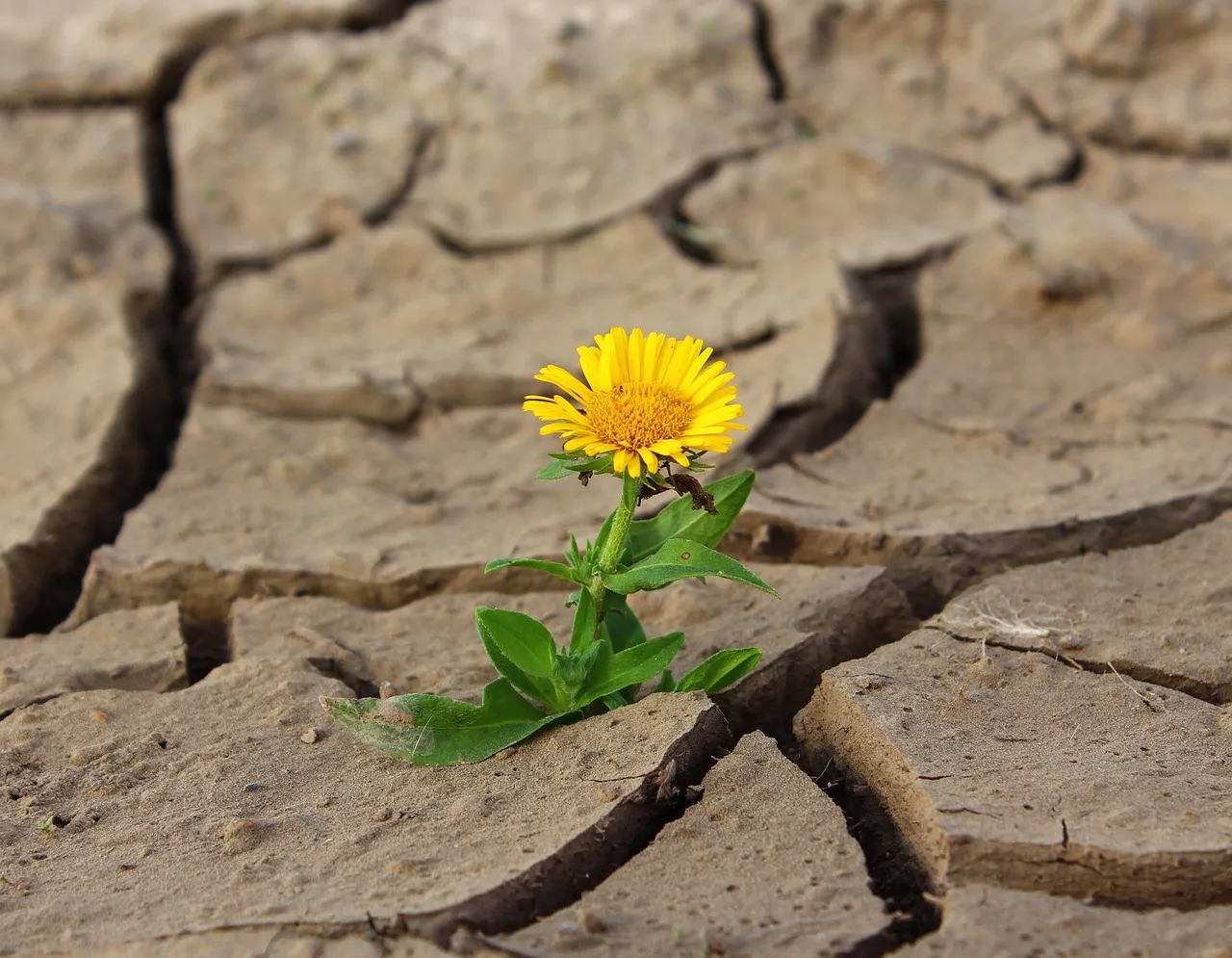
Defining Resilience

Resilience is your capacity to navigate difficulty, recover from setbacks, and emerge with renewed strength—not because you never falter, but because you know how to restore yourself when you do. It's not an inborn trait reserved for the extraordinary. It's a skill you can develop, practice, and strengthen through conscious choices, supportive relationships, and honest self-reflection.
What Is Resilience, Really?
Resilience lives in the gap between what happens to you and how you respond. It's the quiet ability to feel the full weight of a difficulty while still moving forward. It's not about bouncing back unchanged—that's a myth worth releasing. True resilience means bending under pressure without breaking, then thoughtfully rebuilding in whatever shape serves you best.
The word itself comes from the Latin resilire, meaning "to jump back." But what matters isn't the jumping back. What matters is the wisdom you gain while you're down, and the intention you bring when you rise.
Resilience doesn't mean you won't feel pain, disappointment, or fear. It means you've developed a relationship with these feelings that doesn't paralyze you. You can hold grief and hope in the same moment. You can acknowledge a real loss while still imagining a future. That's the work. That's the practice.
The Three Foundations of Resilience
Most resilient people share three core elements. Understanding them helps you identify where your own resilience might need attention.
Connection. Humans are wired for relationship. The people who recover most smoothly from hardship usually have someone they can trust—a partner, friend, family member, therapist, or community. This isn't weakness. It's biology. Having one person who truly sees you changes everything about how you metabolize difficulty.
Meaning. When you understand why something matters—to you, to others, to something bigger than yourself—you can endure almost anything in service of it. This is why parents push through exhaustion, artists persist through rejection, and volunteers show up in crisis. Purpose acts as an anchor.
Agency. This is your sense that your choices matter, that you have some control over your circumstances even when you can't control everything. It's the difference between feeling helpless and feeling empowered. Even small choices—how you spend an hour, what you say to yourself, what you reach for—remind you that you're not passive in your own story.
How Resilience Grows Through Challenge
There's a paradox at the heart of resilience: you can't build it in comfort. Growth requires some friction. The good news is that most of the challenges you've already faced have made you more resilient than you were. You've just forgotten.
Think back to something difficult you navigated—an illness, a relationship ending, a professional setback, a change you didn't choose. You got through it. You're here now. That's not luck. That's resilience you already have.
The capacity grows when you move toward discomfort with intention rather than avoiding it. This doesn't mean seeking suffering. It means saying yes to things that matter even when they're uncomfortable. It means having that difficult conversation, trying something new despite uncertainty, or sitting with sadness until it shifts.
Each time you do this, something changes in your nervous system. You expand your window of tolerance. You prove to yourself that you can handle more than you thought. The next challenge becomes slightly less impossible.
Building Resilience Into Your Daily Life
You don't develop resilience during crisis. You develop it through small, consistent practices that strengthen you gradually. Here's how:
Name your support system.
- Write down 5–7 people you could turn to in different types of difficulty (emotional support, practical help, perspective, celebration)
- Actually reach out to them before you're in crisis, so the relationship is already there
- Notice if there are gaps (certain kinds of support you lack) and consider how to fill them
Find your why.
- What matters to you beyond yourself? What do you care about enough to work for?
- What values do you want to live by, regardless of circumstances?
- Write these down. Return to them when the path gets unclear
Practice small challenges intentionally.
- Take a cold shower. Write something vulnerable. Ask for help with something small. Say no to something you'd normally say yes to
- Notice how you handle the discomfort. What worked? What didn't?
- This builds confidence that you can tolerate difficulty
Develop a grounding practice.
- When things feel overwhelming, your nervous system needs to calm. Breathing, movement, cold water, or a hand on your heart—find what works for you
- Practice it when you're calm so it's available when you're stressed
- This gives you agency in the moment
Reflect without judgment.
- When something difficult happens, write about it without trying to figure it out
- What did you learn? What would you do differently? What are you proud of in how you handled it?
- This turns experience into wisdom
When Resilience Means Slowing Down
There's a particular kind of exhaustion that comes from pushing through everything without pause. You might call it resilience, but it's closer to depletion. True resilience includes the wisdom to know when you need to rest, ask for help, or change course entirely.
Sometimes the most resilient thing you can do is stop trying so hard. Let someone else carry part of the weight. Take a day off. Admit that you can't fix this alone. Choose a different path.
Resilience isn't a straight line. It's a spiral. You circle back to the same challenges at different depths, with different resources, at different times in your life. Each cycle teaches you something new about yourself and what's possible.
Real Stories: What Resilience Looks Like
A woman after job loss. She spent a week grieving—crying, angry, afraid. Then she named what she'd learned in that role that mattered to her. She started reaching out to her network, not desperately, but genuinely curious about what they were working on. Six months later, she'd found something better, and built friendships that had nothing to do with employment. Her resilience wasn't that she bounced back quickly. It was that she let herself fall, then looked for the solid ground beneath her.
A parent with a chronically ill child. The first diagnosis felt impossible. But over time, this parent built a team—medical professionals, family, friends. They learned the practical skills they needed. They found other parents who understood. They grief-processed with a therapist. They also laughed, traveled when they could, and refused to let illness be their whole story. Their resilience wasn't acceptance. It was determined, creative living in the midst of something they didn't choose.
Someone in recovery. They hit a wall and had to stop. They reached out. They sat through meetings even when they didn't believe it would help. They built a new life slowly—new friendships, new routines, new ways of soothing themselves. Some days are still hard. But they keep showing up. Their resilience is the choice to try, even when they're terrified, especially when they're terrified.
Resilience and Self-Compassion Must Go Together
Resilience without self-compassion becomes harsh. You start believing you should be able to handle everything. You judge yourself for struggling. You push past genuine limits. That's not resilience. That's cruelty disguised as strength.
Real resilience includes the ability to speak to yourself the way you'd speak to someone you love. When you fall, you notice. You grieve if something is lost. You rest if you're tired. You ask for help if you need it. You forgive yourself for being human.
This might feel softer than "toughness," but it's actually harder. It requires honesty. It requires the courage to be vulnerable. It's the resilience of someone who knows their own capacity and respects it, rather than someone who just keeps breaking and trying to hide the cracks.
How to Know If Your Resilience Needs Work
Pay attention if any of these feel familiar:
- You tend to isolate when things get hard rather than reaching out
- You don't feel connected to anything larger than your immediate stress
- You feel stuck in old stories about what you're capable of
- You're exhausted from carrying everything alone
- You don't have people you genuinely trust
None of these are permanent. They're just invitations to pay attention. Start with one small practice. One conversation. One thing that matters to you. That's enough to begin.
Resilience FAQ
Is resilience the same as being tough?
No. Toughness is often about not feeling. Resilience is about feeling fully and moving through it anyway. A resilient person can cry, admit fear, and still take the next step. That's harder than just shutting down.
Can you be too resilient?
Yes. If you push through everything without processing, without support, without rest, you're not building resilience—you're depleting it. Genuine resilience includes the wisdom to know when to pause.
What if I don't feel resilient right now?
That's normal. Resilience isn't a permanent trait. You might feel resilient in one area of life and completely overwhelmed in another. Start where you are. One small choice. One conversation. That's building it.
Does building resilience mean I won't get hurt?
No. More resilience doesn't prevent pain. It changes your relationship with pain. You can feel it fully and still choose how you move forward. The hurt gets processed instead of suppressed.
How long does it take to build real resilience?
There's no timeline. Resilience builds in the accumulated practice of small choices. One conversation makes you slightly more resilient. One challenge navigated thoughtfully makes you stronger. Keep going.
What if I've been through trauma? Is resilience still possible?
Yes, though sometimes with professional support. Trauma can affect how you relate to challenge, trust, and your own capacity. But healing is possible. Many trauma survivors develop profound resilience because they've had to rebuild from the ground up. That's not their story's weakness. It's their depth.
Can I build resilience for someone else?
You can support someone's resilience by being present, believing in them, and helping them find their own meaning and agency. But you can't build it for them. That's their work. The best thing you can do is be someone stable in their life and trust their capacity to grow.
Where do I start if I want more resilience?
Start with connection. Tell someone something real. Or start with meaning—spend 15 minutes writing about what matters to you. Or start with agency—do one thing today that feels hard but aligned with your values. Any of these begins the work. You don't need to do everything at once.
Stay Inspired
Get a daily dose of positivity delivered to your inbox.