Uplifting Words
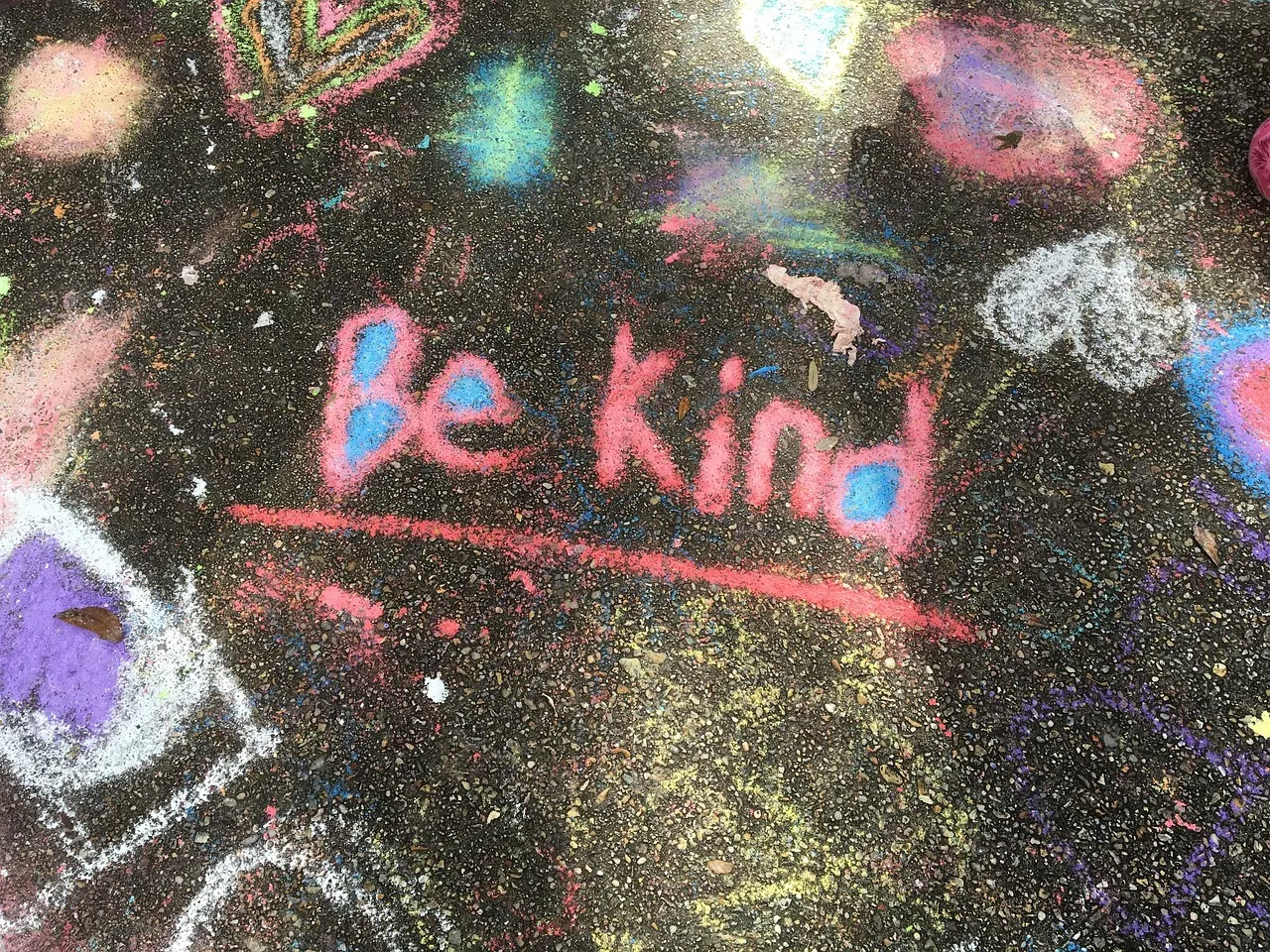
Uplifting words are simple, genuine expressions that brighten someone's day and spark hope or encouragement. When you use uplifting words—whether spoken to yourself or shared with others—you shift the emotional tone of a moment, making space for growth, connection, and quiet resilience.
What Uplifting Words Actually Do
Uplifting words aren't cheerleading slogans or forced positivity. They're the language of genuine support: "I believe in you," "That's a real strength of yours," or "You handled that with such grace." They acknowledge reality while creating a path forward.
When someone hears uplifting words, something shifts. Tension softens. Perspective opens. It's not magic—it's simply the feeling of being seen and encouraged by another human. Or by yourself, in a moment of self-doubt, when you pause and speak to yourself the way you'd speak to someone you deeply care for.
The power comes from specificity and sincerity. Generic praise ("You're awesome!") passes through. But "I notice how you kept going even when this felt impossible" lands because it shows you were paying attention.
The Architecture of Uplifting Language
Uplifting words work because they do three things at once: they acknowledge what's true, they recognize effort or strength, and they hold space for what comes next.
- Acknowledgment: "I see that this is hard for you" shows you're not ignoring reality.
- Recognition: "And I've watched you show up anyway" names the actual strength present.
- Permission: "Whatever comes next is one step at a time" removes pressure for perfection.
This structure is why "You'll be fine, don't worry" doesn't land the same way. It skips acknowledgment and jumps to false reassurance. But "This feels uncertain right now, and you're someone who navigates uncertainty thoughtfully" validates the difficulty while reflecting genuine confidence.
Everyday Uplifting Words for Real Situations
Different moments need different language. Here are phrases that actually help, sorted by situation:
When someone is overwhelmed:
- "You don't have to see the whole path. Just the next step."
- "You've handled hard things before. Different hard things, maybe—but you know how to persist."
- "What if you gave yourself permission to do this imperfectly?"
When someone doubts their ability:
- "You might not feel ready, and readiness often comes by doing, not before."
- "I've seen you grow through things you thought were beyond you."
- "Your doubt isn't evidence you can't do this. It's just evidence you care about doing it well."
When someone is grieving or disappointed:
- "What you're feeling makes complete sense."
- "I'm here. You don't have to be okay right now."
- "This matters because you matter. Your loss is real."
When someone has failed or made a mistake:
- "This was a failure, not a character flaw. There's a real difference."
- "What you learned from this will serve you in ways you can't see yet."
- "You're the kind of person who gets back up. I've seen it."
For everyday encouragement:
- "I noticed how you handled that with patience. That matters."
- "Thank you for being the kind of person who shows up."
- "You bring something to this that no one else does."
Speaking Uplifting Words to Yourself
Most people are kind to others but brutal with themselves. Self-directed uplifting words close that gap.
Start small. You don't need affirmations. You need honest, warm self-talk. In moments of self-criticism, pause and ask: "What would I say to someone I loved in this situation?" Then say that to yourself.
A practice in three steps:
- Notice the moment: When you catch yourself thinking "I'm so stupid" or "I'll never be able to do this," that's your cue.
- Name what's actually happening: "I'm scared of trying something new" or "I made a choice I regret, and I'm having feelings about it."
- Add the warm part: "And I'm someone who learns. I'm someone who can sit with regret and still move forward."
Uplifting self-talk isn't about denying reality. It's about being your own ally instead of your own opponent. The tone matters more than the words. Warm. Patient. Truthful.
Building an Uplifting Words Practice
You can strengthen your capacity for genuine, uplifting language the way you'd strengthen any skill—through small, consistent practice.
Option 1: The weekly noticing practice
Once a week, write down one genuine strength you noticed in someone. Be specific. "You stayed calm when the system crashed and helped three people solve their problems" beats "You're amazing." Over time, this trains your eye to see strength in real, granular ways.
Option 2: The moment practice
In conversation, when someone shares a struggle, pause before responding. Offer one sentence of acknowledgment before moving to advice or reassurance. "That sounds genuinely difficult, and I can see why it would be." This single pause often dissolves isolation and opens real connection.
Option 3: The reflection practice
End each day by identifying one moment where you persisted, learned, or showed up—even in a small way. Name it specifically. Not "I did okay today," but "I started that project even though I was nervous" or "I listened to my friend without trying to fix everything." This rewires your internal narrator.
Where Uplifting Words Meet Daily Reality
Uplifting words aren't motivational speakers or inspirational quotes. They're the steady, genuine support that helps people navigate actual life: career changes, health challenges, relationship questions, creative doubts, grief, fear, and ordinary Tuesday mornings when showing up feels hard.
They work because they're rooted in reality, not denial. A parent doesn't need you to tell them parenting is easy. They need you to say: "I see how hard you're working. I see how you show up differently for your kids than you do for anyone else. That's real."
Uplifting words are strongest when:
- They're specific to the person and situation.
- They're honest—no exaggeration or false reassurance.
- They acknowledge difficulty while reflecting confidence in the person's capacity.
- They come from someone who actually knows the person or situation.
- They're offered without expectation of gratitude or change.
The goal isn't to make someone feel good temporarily. It's to be the kind of presence that helps someone feel more capable of navigating their own life with a bit more steadiness and hope.
Uplifting Words in Different Relationships
The language shifts slightly depending on your relationship and context.
With partners: Uplifting words acknowledge growth and vulnerability. "I've watched you work through that fear. That took real courage." or "I know you're doubting yourself right now, and I see someone who's stronger than you think."
With colleagues: Uplifting words recognize contributions and potential. "You brought perspective to that meeting that shifted how we approached it" or "I've noticed how you mentor newer team members. That's not a small thing."
With children: Uplifting words describe behavior and effort, not inherent traits. "I noticed you kept trying even when it was frustrating" instead of "You're so smart." This helps them develop resilience and understand that effort matters.
With yourself: Uplifting words are kind, grounded, and treat you as you'd treat someone vulnerable and trying. "I'm learning how to do this, and that's exactly where everyone starts."
FAQ: Questions About Uplifting Words
Isn't uplifting language just toxic positivity?
No. Toxic positivity denies difficulty and pushes forced brightness. Uplifting words acknowledge what's true while adding something kind and real. "Everything happens for a reason" is toxic positivity. "This is genuinely hard, and I believe you can navigate it" is uplifting.
What if uplifting words feel dishonest?
They might if you're reaching too far. Stick to what you actually observe. You don't need to believe someone will definitely succeed—just that they're capable of trying, learning, and persisting. Those are true for almost everyone.
How do I give uplifting words without seeming patronizing?
Keep it brief, specific, and grounded in observation. Avoid performative language or tone. Speak as an equal who happened to notice something, not as someone elevated commenting on someone below.
What if someone rejects my uplifting words?
That's okay. Offer it once, genuinely. Don't repeat it or try to convince them. Sometimes people aren't ready to receive encouragement, and that's information, not rejection of you.
Can uplifting words fix real problems?
No. They're not a substitute for therapy, medical care, or practical help. They're a form of human support that makes the work of addressing real problems feel less lonely.
How do I use uplifting words when I don't feel positive?
Uplifting words aren't about your mood. They're about seeing someone clearly and speaking that truth. You can feel tired, frustrated, or uncertain and still offer genuine encouragement. Honesty matters more than brightness.
Is self-directed uplifting language effective?
Yes, but it's different from hearing it from someone else. Self-directed uplifting words work best when they're honest, consistent, and kind. They work less well if they feel like self-bullying disguised as positivity.
What if I don't know what uplifting words to say?
Start with acknowledgment: "I see this is hard" or "That took courage." Then pause. You don't need a perfect phrase. Presence and genuine attention are often enough. A quiet "I'm here" can be more uplifting than a perfect speech.
The Practice of Noticing Strength
Uplifting words begin with noticing. You can't offer genuine encouragement about what you haven't observed. So start there: pay attention to the small ways people show up, persist, learn, and care. Notice when someone stays patient, asks for help, admits a mistake, tries something new despite fear, or shows up for someone else.
This noticing itself is a form of kindness. It means someone's effort isn't invisible. And when you speak what you've noticed—with warmth and specificity—you give them something steady to hold onto.
That's what uplifting words do. They make strength visible. They remind people that what they're doing, who they're being, matters. And they do this in a way that's honest, grounded, and genuinely rooted in the person standing in front of you, not in who you wish they'd be.
Stay Inspired
Get a daily dose of positivity delivered to your inbox.