Short Motto
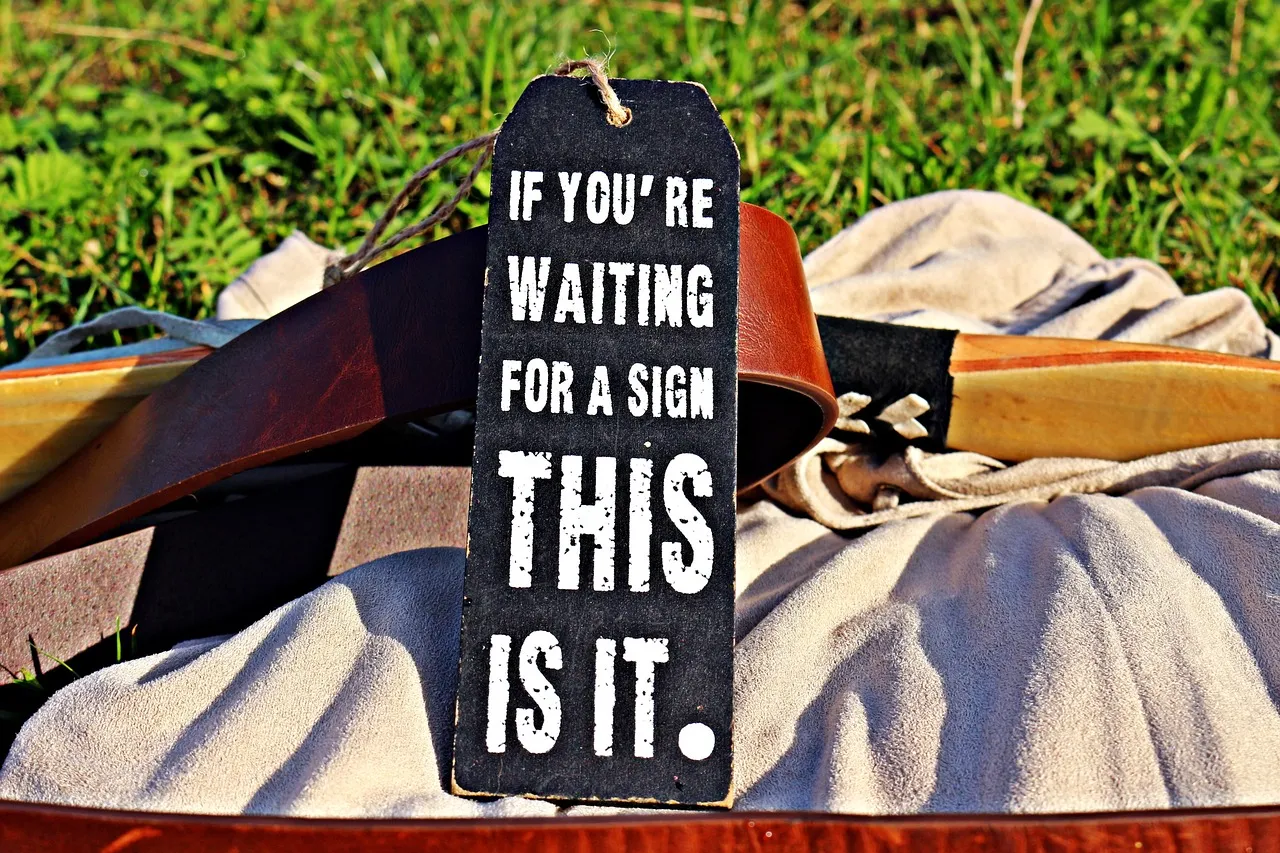
A short motto is a brief, memorable phrase that captures your core values or desired mindset—something you can repeat to yourself when you need grounding, motivation, or perspective. Unlike lengthy affirmations or complex goals, a short motto works because it sticks in your mind and becomes a touchstone for how you want to show up in the world.
Why a Short Motto Matters
In a world of competing demands and constant noise, a short motto gives you an anchor. It's not about being inspirational in a generic way. It's about having something true and specific that reminds you who you're trying to be.
When you have a guiding phrase, decision-making gets easier. You can measure your choices against it. Should you say yes to that project? Check your motto. Getting pulled into drama? Your motto might redirect you. Over time, a short motto becomes less like a tool you use and more like a part of how you naturally think.
The best part: you don't need to be a writer or philosopher to create one. Simple, everyday language works better than anything flowery.
Creating Your Own Short Motto
Start by noticing what you already value. You don't have to invent something new.
Spend a few days noticing when you feel most like yourself. What are you doing? What are you thinking? Write down phrases you find yourself using or thinking. These are clues.
Ask yourself these questions:
- When do I feel most at peace?
- What do I wish I did more of?
- How do I want people to experience me?
- What belief has helped me through hard times?
- What word or idea keeps coming back to me?
Your motto should be 2-6 words. No longer. It needs to be something you can say in one breath and remember without effort.
Write 10-15 options. Don't judge them yet. Then live with each one for a day or two. Say it out loud. Notice how it feels. Does it make you stand a little taller? Or does it feel false? Trust your gut. The right phrase will have a quiet rightness to it.
Examples of Short Mottos That Work
Real mottos tend to fall into a few patterns. Here are some that people have genuinely used and found grounding:
- Value-based: "Honest and kind," "Show up," "Do the work"
- Action-oriented: "Keep it simple," "Move forward," "Trust the process"
- Perspective-oriented: "This too will pass," "Not my circus," "Choose again"
- Identity-based: "I am resilient," "I'm a good listener," "I build things"
Notice none of these are trying too hard. They're grounded and real. A motto like "I am a warrior" might sound powerful in the moment, but it doesn't survive a Tuesday. A motto like "Keep it simple" works on a Tuesday and a Thursday and in a difficult conversation.
The most effective mottos are often ones that feel like a gentle internal correction. Something that redirects you when you're spiraling or overthinking.
Using Your Short Motto Daily
A motto only works if you actually use it. Build it into your day deliberately.
Morning: Say it when you first wake up, or while you're getting ready. This sets an intention without being intense about it.
Transition moments: Say it before an important conversation, before you check your email, before you leave the house. These moments of pause are where a motto makes the most difference.
When you notice stress: The real power of a short motto shows up when you catch yourself spiraling. Instead of sitting in anxiety, you pause and return to your phrase. Over time, this becomes automatic.
Write it down: Keep it somewhere visible—your bathroom mirror, your phone lock screen, a sticky note on your laptop. The repetition matters.
Share it: Telling someone else your motto makes it more real. It also makes you accountable to it in a natural way.
Mottos for Different Areas of Life
You might have one core motto, or you might have a few for different contexts. Here's how people often approach this:
Work: Something about quality, focus, or contribution. "Deliver with care" or "Do good work" can ground you when deadlines feel overwhelming.
Relationships: Something about how you want to show up. "Listen fully" or "Assume good intent" changes how you interact.
Health: Something simple and actionable. "Move my body" or "Fuel what matters" keeps things practical instead of perfectionist.
Personal growth: Something about learning or trying. "Get curious" or "Do it anyway" can push you forward without pressure.
You don't need a different motto for every area. Often one strong one covers all your bases. But if you find yourself needing different guidance in different spaces, it's fine to have a few.
When Your Motto Stops Fitting
A motto isn't forever. You might discover after a few months or a year that it no longer resonates. This isn't failure. It means you've changed, and that's the whole point.
Signs it's time to revisit:
- You have to remind yourself why you chose it
- It feels like someone else's words, not yours
- You've shifted into a new chapter of life
- A different phrase keeps pushing its way into your thoughts
When this happens, go back to the question-asking process. What do you believe now? What do you need to remember? Your new motto might be a small shift on the old one, or it might be completely different. Both are fine.
Connecting Your Motto to Daily Positivity
The real magic of a short motto isn't that it makes you happy or solves problems. It's that it gives you a way to stay connected to what matters when life gets messy.
On hard days, your motto is a way of saying: I'm still myself. I still believe this. I can still choose this response. That's a form of positivity that's honest and sustainable.
Your motto becomes a practice. Each time you return to it, you're practicing being the person you want to be. Eventually, you don't have to think about it anymore. You just are it.
Frequently Asked Questions
How is a short motto different from an affirmation?
An affirmation often feels like you're trying to convince yourself of something (like "I am worthy" when you don't feel worthy). A motto is more about remembering who you're choosing to be, independent of how you feel in the moment. A motto can be an affirmation, but it doesn't have to be.
What if nothing feels right when I'm creating my motto?
That's actually useful information. You might not be ready to create one, and that's okay. Or the phrases you're coming up with are too fancy or trying too hard. Step back. Notice what you say to a friend when they're stuck. Often your real motto is hiding in casual language.
Can I change my motto whenever I want?
Technically yes, but it works better if you stay with one long enough to feel its effects—usually at least a few weeks. If you're changing it weekly, you're not giving it a chance to become part of your thinking. Pick something and commit to a trial period of at least a month.
Does my motto have to be positive or uplifting?
Not necessarily. "Keep it real" or "Not my job" or "Wait and see" can be incredibly grounding mottos even though they're not traditionally uplifting. The best motto is one that actually guides you, not one that sounds good in theory.
What if my motto feels silly when I say it out loud?
That might mean it's not quite right, or it might mean you're self-conscious about the practice. Try saying it a few more times in privacy. Awkwardness often fades with repetition. But if it still feels wrong, it probably is. Trust that feeling.
Can a short motto help with anxiety or depression?
A motto can be a helpful tool as part of your overall wellbeing, but it's not a replacement for professional support if you're struggling with mental health. Think of it as something that helps you stay grounded on normal days, not a treatment for clinical conditions.
How do I know if my motto is actually working?
Look for small signs. Do you find yourself thinking of it at useful moments? When you're stressed, can you access it more easily than before? Are your choices slightly more aligned with what it says? You won't suddenly feel transformed, but you might notice you're making different decisions or responding differently to challenges.
What if I want my motto to be funny or unconventional?
Go for it. "Keep the weird," "Laugh first," or "Do the weird thing"—if it's genuinely yours and it actually helps you navigate your life, it's a good motto. Don't choose something just to be different, but don't disqualify something just because it's quirky.
Stay Inspired
Get a daily dose of positivity delivered to your inbox.