Rocky Balboa Speech
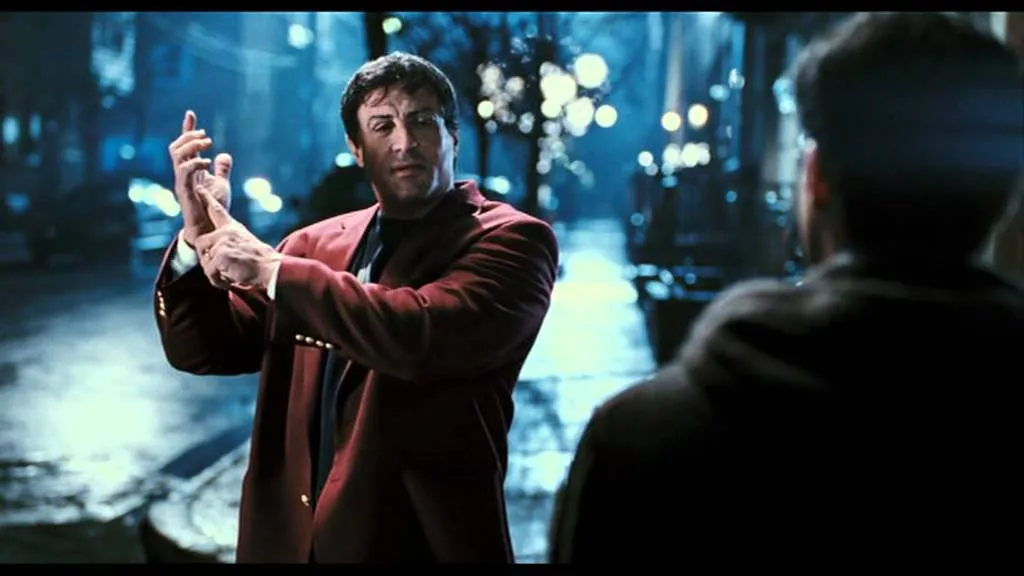
The Rocky Balboa speech stands as one of cinema's most powerful moments of human motivation—a raw, unflinching lesson on what it takes to keep going when life knocks you down. Whether you've seen the film or heard the words quoted, this iconic monologue captures something essential about resilience that speaks to anyone facing their own battles.
Understanding the Rocky Balboa Speech and Why It Matters
Most people know of the Rocky Balboa speech from the 2006 film where the aging boxer addresses his son. In this moment, Rocky stops trying to convince his son to pursue boxing and instead shares something more valuable—wisdom about how the world doesn't care about your excuses, and the only thing that matters is whether you're willing to stand back up.
The speech isn't about boxing. It's about the universal human experience of getting knocked down—literally or figuratively—and choosing to keep going. This is why the Rocky Balboa speech transcends the sport and speaks to people in every walk of life: parenting, careers, relationships, health struggles, and personal growth.
What makes this particular speech resonate is its honesty. There's no false promise that everything will work out. Instead, there's acknowledgment that life is hard, you will fail, and the world won't give you credit for effort. What matters is that you show up and take the hit, then get back up.
The Core Message: It's About Taking the Hit, Then Standing
At its heart, the Rocky Balboa speech teaches that life's real measure isn't about winning big or avoiding all pain. It's about how you respond when you're down on the canvas.
Rocky explains this through the metaphor of boxing: the world is like a heavyweight opponent that will knock you down. Nobody gets through life without getting hit. The difference between people who achieve their goals and those who don't isn't that one group avoids the hits—it's that they get back up more times.
This reframing is powerful. Most motivational content promises success if you work hard enough. The Rocky Balboa speech makes no such promise. Instead, it says: you might fail. You probably will, multiple times. But if you can keep showing up despite the failure, despite the pain, despite having no guarantees—that's where your real strength lies.
Why the Rocky Balboa Speech Resonates in Modern Life
We live in an era where social media shows us curated wins and hides the struggle. Everyone online looks like they're succeeding effortlessly. This creates a false belief that real winners don't get knocked down, or if they do, they bounce back immediately with a perfect recovery story.
The Rocky Balboa speech cuts through this illusion. It acknowledges that struggle is universal, that setbacks are normal, and that the ability to continue despite pain is what separates those who achieve from those who quit.
For anyone dealing with:
- Career setbacks or job rejection
- Health challenges or chronic pain
- Failed relationships or family conflict
- Creative pursuits where success is uncertain
- Financial difficulty or unexpected loss
- Self-doubt and imposter syndrome
The speech offers something most inspiration doesn't: permission to still be struggling, combined with encouragement to keep going anyway.
Applying Rocky's Philosophy to Your Daily Life: A Practical Framework
Understanding the speech intellectually and living by it are two different things. Here's how to translate Rocky's wisdom into daily practice:
Step 1: Name Your Opponent
Rocky's metaphor uses boxing, but your "opponent" might be perfectionism, chronic illness, limiting beliefs, financial pressure, or a difficult relationship. Name it specifically. What keeps knocking you down?
Step 2: Accept the Hits Are Coming
Don't waste energy hoping you'll avoid setbacks. You won't. Instead, mentally prepare: "Rejection might come. Failure is possible. That's normal." This isn't pessimism—it's realistic resilience. When you expect difficulty, you're not blindsided by it.
Step 3: Focus on the Getting Up, Not the Falling Down
You don't control whether you fail. You do control what you do after failure. Create specific "get up" practices:
- After a difficult conversation, take a 10-minute walk before deciding how to proceed
- After a work setback, journal three things you learned rather than dwelling on what went wrong
- After physical pain or illness, identify one small action you can take today
- After rejection, set a timer for 30 minutes to feel it, then redirect toward your next effort
Step 4: Build Your Support System
Rocky had trainers and people who believed in him. You need this too. Identify people who understand that success isn't linear—people who won't minimize your struggles or rush you through recovery.
Step 5: Track Your Resilience, Not Just Your Wins
Keep a simple log: When did I get knocked down? How did I respond? Did I keep going? This builds evidence that you have the capacity to endure. Over time, you'll see a pattern of resilience you might not notice day-to-day.
Building Emotional Resilience Like Rocky
The Rocky Balboa speech works because it speaks to something deeper than motivation—it addresses how to build genuine emotional resilience, not just temporary willpower.
Resilience isn't about being tough or never feeling pain. It's about feeling pain and continuing anyway. This distinction matters. A lot of "toughness" culture demands that you ignore your feelings, push through without stopping, and act like nothing hurts.
That's not what Rocky teaches. His speech acknowledges that the hits hurt. Life is hard. But you still get up.
To build this kind of resilience:
Allow yourself to feel the full impact of setbacks for a limited time. If something goes wrong, give yourself permission to feel disappointed, angry, or hurt—but set an endpoint. Not "I'll never feel better" but "Today I'm sitting with this. Tomorrow I start figuring out the next step."
Separate your identity from your circumstances. When Rocky gets knocked down, he's not suddenly not a fighter. When you fail, you're not suddenly incapable. The setback is an event, not your identity.
Practice small acts of resilience daily. You don't need to wait for major hardship to build this muscle. Resilience develops through handling small discomforts: cold showers, saying no to things you want, sitting with boredom, finishing something even when you don't feel like it.
Remember that resilience compounds. Each time you get back up, it becomes slightly easier to do it again. Not easy—easier. This compounds over years into the kind of character strength that can weather major difficulty.
Finding Purpose in the Struggle Itself
The Rocky Balboa speech doesn't promise that struggle leads to a Hollywood ending. It suggests something subtler: that there's meaning and dignity in the struggle itself, regardless of outcome.
Many people get stuck waiting for the struggle to end so they can feel purpose. "Once I lose the weight, I'll feel proud. Once I get the promotion, I'll feel valuable. Once I find the right relationship, I'll be whole."
This is backwards. The purpose is in the effort, not the outcome.
Rocky teaches this through action. He doesn't train for the glory of winning. He trains because training is how he becomes who he wants to be. The training itself is the point.
Applied to your life:
- The purpose of parenting is in showing up daily, not in having perfect kids
- The purpose of recovery is in each day of commitment, not in never struggling again
- The purpose of creating is in the practice of creating, not in external validation
- The purpose of learning is in the engagement, not in being the smartest
- The purpose of love is in the showing up, not in never being hurt
When you find purpose in the struggle, you're no longer waiting to start living. You're living now.
Real-World Applications: How the Rocky Balboa Speech Shows Up in Life
In career recovery: Sarah was laid off after 12 years at a company. Her first response was despair. But she reframed it using Rocky's lesson: "I got knocked down. The question is whether I get back up." She started small—one job application daily, one networking conversation per week. A year later, she had a better role. What mattered wasn't that she didn't feel fear; it was that she took action despite it.
In health challenges: Michael received a diagnosis that meant chronic pain management would be part of his life. Instead of seeing this as permanent defeat, he used Rocky's framework: "I'm going to take the hit of this diagnosis. Now, what's my next action?" His "next action" became physical therapy, dietary changes, and redefining success as "what can I do today?" rather than "when will I be completely well?"
In creative pursuits: A writer received 47 rejections before her first acceptance. She didn't tell herself this was easy or pretend rejection didn't hurt. But she understood the game: rejections were hits. The only way to lose was to stop getting back up. She kept submitting. Eventually, an editor who'd rejected her twice said yes to a new piece.
The Daily Practice: Small Ways to Embody Rocky's Wisdom
Living by the Rocky Balboa speech isn't about dramatic moments of overcoming adversity. It's about small daily choices that strengthen your character:
Do something difficult on purpose today. Not because you have to, but because difficulty is how you grow. Make the hard phone call. Have the honest conversation. Attempt something you might fail at. These small "getting up" moments build the neural pathways you'll need for bigger challenges.
Practice showing up when you don't feel like it. This is training. When you commit to a workout, project, or practice even when motivation is low, you're learning that your reliability doesn't depend on your feelings. This is what the Rocky Balboa speech is really about.
Reframe failure as data, not defeat. When something doesn't work, ask: "What did I learn? What would I do differently?" This transforms the hit from a sign you're incapable into information for your next attempt.
Notice when you're staying down and choose to get up. Some days you'll want to quit. You'll have thoughts like "This is too hard" or "It's not working." That's when the speech matters most. Not "Ignore these thoughts," but "Hear them, feel them, and get up anyway."
Frequently Asked Questions
Is the Rocky Balboa speech actually in the movies, or is it paraphrased?
The speech is from the 2006 film "Rocky Balboa." Rocky delivers it to his adult son in one of the film's most powerful scenes. The core ideas—that the world doesn't care, you have to take your hits, and getting up is what matters—are all from that scene. Different people paraphrase it in different ways, but the essence remains the same.
What if I keep getting knocked down and I'm exhausted?
Exhaustion is real, and the Rocky Balboa speech doesn't deny this. "Getting up" doesn't always mean a dramatic comeback. Sometimes it means rest, asking for help, or stepping back to gain perspective. Getting up can look like calling a therapist, taking a day off, or admitting you need support. The point isn't to ignore fatigue; it's to keep moving forward even if your pace slows.
Does this philosophy work for major trauma or serious mental health challenges?
The Rocky Balboa speech addresses resilience and perseverance, which are valuable in any circumstance. However, serious trauma and clinical depression require professional support. Think of professional help as part of your training, like Rocky had a coach. The speech's wisdom complements professional care but doesn't replace it.
What if I fail after "getting up" again?
That's expected. Rocky doesn't promise success; he promises that failure isn't final unless you quit. You might try something, fail, get up, try again, and fail again. This is normal. The strength is in continuing to try, learning each time, and adjusting your approach. Most worthwhile accomplishments require multiple cycles of trying and failing.
How do I know if I'm just being stubborn versus truly resilient?
Resilience includes flexibility. If you're hitting a wall repeatedly with the exact same approach, that's stubbornness. Resilience means you get up and try a different way. True resilience is "I will keep moving forward" combined with "I'm willing to change my approach."
Can I apply this philosophy to small daily struggles, or is it just for major challenges?
It applies to everything. The philosophy works in small moments: difficulty concentrating, a tough conversation, social anxiety, procrastination, physical discomfort. These are the hits of daily life. Getting up might mean doing the hard thing anyway, asking for help, breaking it into smaller steps, or simply acknowledging the difficulty while moving forward. Don't wait for a crisis to practice resilience.
What makes the Rocky Balboa speech different from other motivational speeches?
Most motivation promises results: "Work hard and you'll succeed." The Rocky Balboa speech makes no such promise. It simply says the world doesn't owe you anything, you will get hit, and the only thing in your control is whether you stay down or get back up. This is more honest and, paradoxically, more motivating because it doesn't require false hope.
How long does it take to truly internalize this philosophy?
It's not something you learn once. It's something you practice, forget, remember, practice again. Each time you face difficulty, you have a new opportunity to apply it. After a few years of deliberately choosing to get up, it becomes more natural. But there will always be moments where you have to consciously choose it again. That's fine. The practice never really ends.
The Rocky Balboa speech endures because it speaks to something true about being human: life will knock you down. Not might. Will. The question isn't how to avoid being knocked down. The question is what you do after. Every single day offers you the chance to answer that question through your choices. That's where your real power lies.
Stay Inspired
Get a daily dose of positivity delivered to your inbox.