Positive Thought for the Day
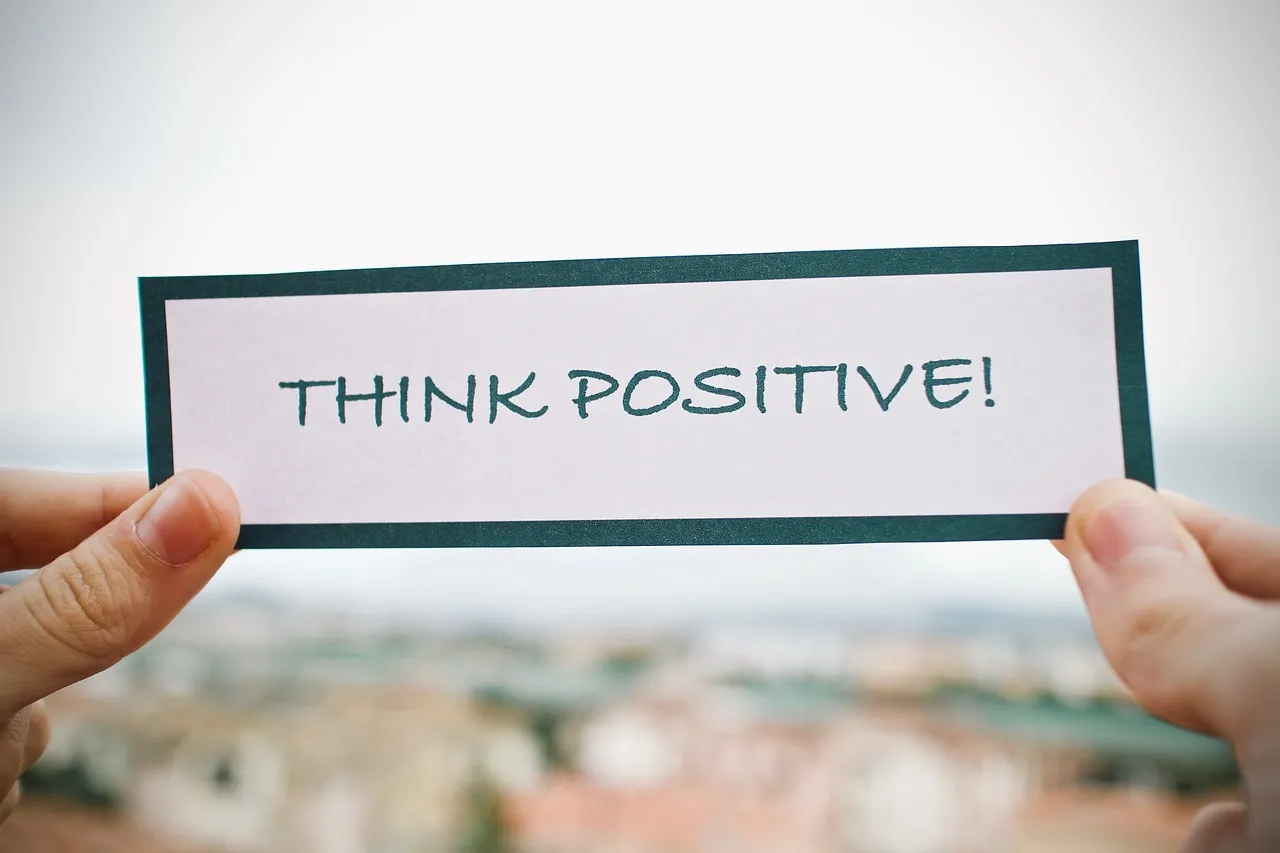
A positive thought for the day is simply one intentional statement or reflection you choose to focus on when you wake, one that grounds you in what's possible rather than what's difficult. The practice works because it rewires what you notice first—shifting your attention away from worry and toward the quiet strength you already possess.
Why a Positive Thought for the Day Actually Matters
Your first conscious thought carries weight. It's the lens through which you'll filter the next twelve hours. If that first thought is a worry—about a meeting, a problem, what you're not ready for—your nervous system reads that as the day's temperature. Everything else gets interpreted through that stress.
A deliberate positive thought interrupts that pattern. It doesn't deny what's hard. It simply asks: what's also true today? What strength, resource, or opportunity is available that I might overlook?
This isn't about toxic positivity. It's not about pretending your problems don't exist. It's about remembering that you're more than your obstacles. On a Wednesday when you're tired and frustrated, a positive thought for the day might be: "I've handled hard things before." That's true. That's useful. That shifts something.
How to Identify Your Own Positive Thought for the Day
The best positive thoughts are personal. They're not Pinterest quotes. They're reflections that actually land for you—words that feel true in your chest, not just in your head.
Start by noticing patterns in your own resistance. What worry returns? What doubt? What self-judgment?
- If you often think "I'm not prepared enough," your positive thought might be: "I show up authentically, and that's the only preparation that matters."
- If you default to "Everyone else has it figured out," try: "I'm exactly where I need to be to learn what comes next."
- If you repeat "I should be further along," reframe to: "My pace is my own. Progress looks different for everyone."
The word "should" is a diagnostic tool. Notice where you use it, then build your positive thought as a gentle counter-statement—not a denial, but a redirect toward what's actually true about you.
The Rhythm of Morning Intention
You don't need a formal practice to make this work. You don't need meditation cushions or journals, though those can help if they appeal to you. What matters is deliberateness.
Before you check your phone, before you think about your schedule, pause. Even thirty seconds. Ask yourself: what do I need to remember about myself today? What would serve me to believe right now?
Some people anchor this to their coffee—a moment of quiet before moving. Others weave it into their shower. Some write it down the night before. The timing matters less than the consistency. You're training yourself to start before anxiety takes the lead.
One practical approach: name something you're genuinely looking forward to, however small. A conversation, a task that interests you, twenty minutes alone, a meal you're excited about. Let your positive thought connect to something real and imminent. That makes it concrete rather than abstract.
Building Belief Through Small Evidence
A positive thought doesn't stick through repetition alone. It takes root when you notice evidence that it's true.
If your positive thought is "I'm resilient," start watching for moments that prove it. You adapt when plans change. You try again after failing. You ask for help when you need it. These are evidence. Notice them. That's not self-delusion—that's accurate self-perception.
This is why vague affirmations ("I'm amazing!" "Everything will be great!") often feel hollow. They lack purchase. But specific observations ("I bounced back from that setback faster than I expected." "I was honest about my limits, and that took courage.") feel real because they are.
Keep a small list. When something happens that supports your chosen positive thought, note it. You're building a case for what's true about you. Over time, believing it becomes easier—not because you've lied to yourself, but because you're noticing what was always there.
When Resistance Shows Up
Some days a positive thought will feel impossible. You'll wake angry, or exhausted, or just done. That's normal. It doesn't mean the practice failed.
On those mornings, you don't need a grand positive thought. You need something smaller: "Today I'm allowed to move slowly." Or even just: "I'm still here."
Resistance is information. It's often telling you something matters—you care about the outcome, you're tired, you're at a limit. Honor that. Your positive thought can acknowledge it. "I'm tired AND I'm capable of being gentle with myself today." Both things are true.
The practice isn't about forcing good feelings. It's about expanding what you notice. On hard days, noticing that you're still showing up is the positive thought worth having.
Real Examples That Actually Work
Here are positive thoughts that people report actually shifting their days:
- "Something unexpected and good might happen today." (Creates openness rather than dread.)
- "My nervousness means I care about this. That's a strength." (Reframes anxiety as evidence of commitment.)
- "I know how to do hard things, even if I've never done this exact thing before." (Distinguishes between "hard" and "impossible.")
- "Today I'm someone who asks for what I need." (Identity-based, actionable.)
- "I'm allowed to change my mind about what matters." (Releases you from rigidity.)
- "I've made it through every difficult day so far." (Historical evidence.)
- "What I want to contribute matters." (Orients toward purpose.)
- "I'm learning. That means I'm not perfect yet, and that's exactly right." (Defuses perfectionism.)
Notice what these have in common: they're not generic. They address something real. They're written in your own language, not someone else's. They're believable within the context of your actual life.
Integrating This Into Your Days
The goal is for positive thinking to become less effortful over time. You're not adding another chore. You're rewiring one habit—the one where your mind immediately looks for what's wrong.
Here's a practical integration:
- Choose one positive thought for the week. (Don't change it daily; let it settle.)
- Anchor it to an existing habit—coffee, shower, commute, getting dressed.
- Say it once, consciously. No need to repeat it ten times. One clear moment.
- As you move through your day, notice where it shows up in your choices. Does it change what you say in that meeting? How you handle frustration?
- At the end of the week, pause. What shifted? Even small. Did you sleep differently? Talk to yourself differently? Stay open to one more possibility?
Adjust based on what you notice. If a positive thought feels stale after two weeks, change it. If you find one that lands deep, you might keep it for months. There's no prescription here—only responsiveness to what works for you.
When You're Skeptical (And Why That's Okay)
You might think this is too simple. Too soft. That real change requires bigger interventions. And yes, sometimes it does. Therapy, medication, structural life changes—these matter. A positive thought isn't a substitute.
But skepticism about this practice often masks something else: you've been taught that change should hurt. That it requires willpower or self-punishment. That softness is frivolous. None of that is true. The gentlest shift in attention can reshape your day. It doesn't fix everything, but it creates space where something else becomes possible.
Start small. Try one week. Notice what happens. You don't have to believe in it first. You just have to be willing to notice.
FAQ: Positive Thoughts for Daily Practice
How long does it take before I notice a difference?
Some people feel it on day one—there's a tangible shift in mood or openness. Others take a few weeks to notice patterns. Most people report something changes in how they respond to difficulty within three weeks of consistent practice. The key word is consistent, not perfect.
What if I forget to do it?
Missing days is part of the practice. You'll forget sometimes. That's not failure. When you remember again, you just start. There's no catch-up required. The power isn't in the streak; it's in the redirect when you notice you've been thinking in circles.
Can I use the same positive thought every single day?
Yes. Some of the most powerful positive thoughts are the ones you return to repeatedly—they become like a familiar hand you hold. Others people rotate weekly or monthly. Do what feels sustainable. A thought you believe is better than a new thought you doubt.
What if the positive thought feels like a lie?
That means you need a different thought. Go back to evidence. What's something you actually believe about yourself, even if it's small? Start there. "I'm trying" is a true positive thought. So is "I'm still learning." The thought needs to be both positive and believable.
Is this the same as positive affirmations?
Similar foundation, different flavor. Affirmations are often about becoming (future-focused). A positive thought for the day is more about remembering what's already true, or choosing which true things to highlight. Both can work. Use whichever resonates.
What do I do if life is genuinely very hard right now?
This is exactly when the practice can be most grounding. You don't need your positive thought to make the difficulty disappear. You need it to remind you that the difficulty isn't all of you. "I'm going through something hard AND I'm not destroyed." "This is painful AND I'm still here." The thought holds both realities.
Can I share my positive thought with others, or does it need to be private?
It's entirely your choice. Some people find power in saying it aloud or telling someone. Others need it to be private to stay authentic. If you share it, watch whether it still feels true or whether it's become performance. The best positive thought is the one you believe when no one's listening.
What if I'm going through a depression or serious mental health challenge?
A positive thought is not treatment. If you're struggling, the priority is professional support—therapy, medication, medical attention. A positive thought can coexist with that care, but it's not a substitute. Some days when you're very low, even noticing you're breathing is the positive thought worth having.
Stay Inspired
Get a daily dose of positivity delivered to your inbox.