New Week Motivation
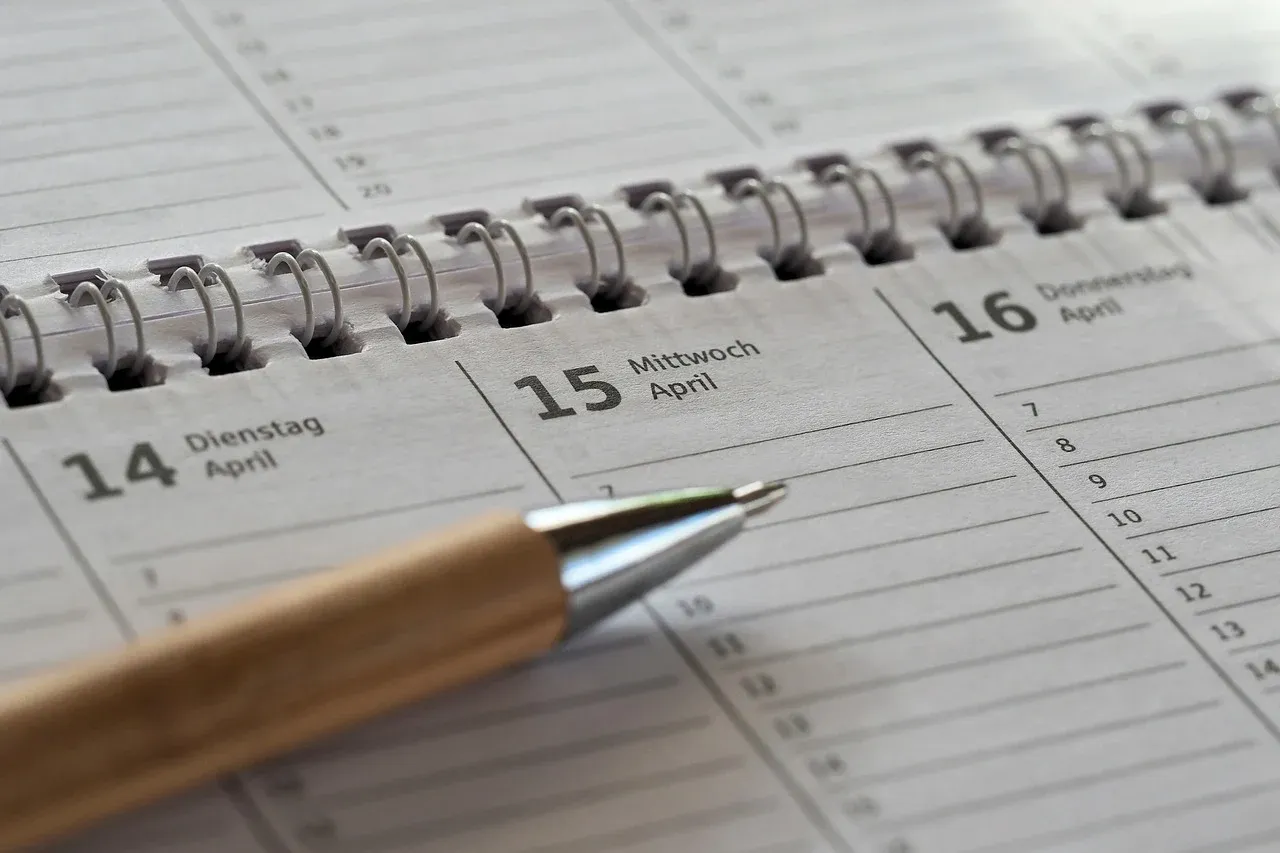
New week motivation starts the moment you decide Sunday evening that Monday is your fresh start, not your obstacle. Rather than waiting for inspiration to strike, you can build a sustainable system that keeps you moving forward consistently, even on the hardest days.
Every week offers a genuine reset button. Unlike New Year's resolutions or grand life overhauls, weekly motivation is accessible, manageable, and something you can practice immediately. This guide walks you through practical, proven ways to harness new week motivation so that every Monday feels like an opportunity rather than a burden.
Why Monday Motivation Matters More Than You Think
The start of the week isn't just a calendar marker. It's a psychological inflection point where your habits, energy, and intention either compound or deteriorate. How you show up on Monday creates a ripple effect through the next six days.
The challenge is that motivation isn't a feeling you find—it's a skill you develop. Most people wait to feel motivated before taking action. The inverse is usually more reliable: action builds momentum, and momentum fuels motivation.
When you enter Monday with a clear purpose and a simple plan, you're not relying on willpower alone. You're creating conditions where consistent effort becomes easier. That shift matters.
The Sunday Reset: Preparing for New Week Momentum
Your week doesn't begin Monday morning. It begins Sunday evening, when you take 20 minutes to establish clarity and intention.
The Sunday Reset Ritual:
- Review the past week. What went well? What drained you? Don't judge—just observe. This data helps you make smarter choices moving forward.
- Write down three priorities for the coming week. Not ten. Three. Specific, achievable, meaningful. These become your north star when the week gets busy.
- Identify one obstacle you expect to face. Anticipate it. Plan a response. This isn't pessimism; it's preparation.
- Choose one small practice to carry through the week. Maybe it's a 10-minute morning walk, journaling for five minutes, or three deep breaths before lunch. Something small and non-negotiable.
- Review your schedule. Know where your energy will be needed. Adjust if you can. Prepare mentally if you can't.
This ritual takes the vague anxiety out of Monday morning and replaces it with quiet confidence. You're not hoping for motivation—you're building it intentionally.
How to Build Sustainable Weekly Motivation
Sustainable motivation operates on a different engine than the quick burst of excitement. It's fueled by progress, not perfection.
Key principles for building lasting weekly momentum:
- Start smaller than you think you should. A modest goal you complete builds more momentum than an ambitious goal you abandon Wednesday.
- Track progress visually. A simple checkmark, a tally mark, or a digital tracker gives you tangible evidence that you're moving. Our brains reward progress we can see.
- Create a consistent start to each day. The first 30 minutes of your morning set the tone. Make it intentional, not reactive. No phone scrolling, just you and your day ahead.
- Build in micro-breaks. Motivation depletes when you push without pausing. A five-minute walk, water, a moment outside—these reset your nervous system.
- Connect daily tasks to bigger meaning. You're not just checking boxes. Each action is a step toward something you care about.
Real example: A marketing professional who wanted to develop her leadership skills committed to "have one meaningful conversation with a colleague each day." Small, specific, connected to her purpose. Three weeks in, she'd built stronger relationships and felt more confident in her abilities. The daily practice rewired how she approached her role.
The Power of Small Wins
A small win isn't a consolation prize. It's neurological fuel. Each time you complete something you planned to do, your brain releases dopamine. You feel capable. That capability carries forward.
This is why "eat the frog first" matters less than "eat something on your frog first." Start your Monday with one thing you can finish before lunch. Send the email, make the call, draft the outline, clean the desk. Finish it. Let yourself feel that completion.
The rest of the week becomes easier because you're building from a foundation of "I did what I said I'd do" rather than "I'm behind already."
How to design your week for small wins:
- Front-load one thing you can complete Monday morning.
- Schedule three "win moments" throughout the week—these are tasks you're confident you can finish.
- Celebrate completion, even quietly. Acknowledge it. Your nervous system registers the accomplishment.
- Let wins compound. One small completion often inspires action on the next small task.
Over time, small wins create a track record of reliability with yourself. You trust yourself to follow through. That trust becomes the real fuel for new week motivation.
Reframing Setbacks and Challenges
Every week includes friction. Plans change. Energy dips. Unexpected demands emerge. How you interpret these moments determines whether your motivation rebounds or crumbles.
The difference between people who sustain momentum and those who lose it often comes down to their inner narrative about difficulty.
Reframing setbacks:
- Instead of "I failed," ask "What did I learn?"
- Instead of "I should have known better," think "I'm gathering information for next time."
- Instead of "This is a sign I can't do this," consider "This is a sign I need a different approach."
When Wednesday derails your Monday plan, it's not a collapse. It's data. It's useful information about what needs adjustment. Sometimes it's your goal—maybe it wasn't truly meaningful. Sometimes it's your method—maybe the timing or approach needs changing. Sometimes it's just life—and flexibility becomes the skill you're practicing.
People with strong, consistent motivation aren't those who never face obstacles. They're those who've developed a compassionate relationship with difficulty.
Connecting Daily Actions to Your Deeper Purpose
Motivation weakens when your daily tasks feel disconnected from anything that matters. It strengthens when there's a clear thread between what you're doing today and who you want to become.
This doesn't require a grand life mission. It can be simple: I want to feel strong, so I move my body. I want to be present for my family, so I put my phone away at dinner. I want to contribute something meaningful, so I show up fully in my work.
Making the connection explicit:
Write down your three weekly priorities. Next to each, write why it matters to you. Not why it "should" matter, but why it actually matters in your life right now.
Then, when Thursday feels long and motivation lags, you're not pushing yourself through pure willpower. You're moving toward something you care about. That's incomparably more sustainable.
A teacher who struggled with Monday blues realized her energy shifted when she reframed her week: instead of "I have to lesson plan and grade papers," she thought of it as "I'm building skills my students need and giving myself feedback to improve." Same tasks. Completely different motivation experience.
Building a Motivation Maintenance System
Motivation isn't a one-time download. It's something you tend to, like a garden. A maintenance system keeps it alive between the big moments.
The weekly check-in (15 minutes):
Every Friday or Saturday, spend 15 minutes reviewing: What momentum did I build? Where did I stumble? What felt good? What needs to change? This isn't harsh self-judgment. It's the data you bring to your Sunday Reset.
The daily anchor (5 minutes):
Each morning, spend five minutes reconnecting with your weekly priorities. What's one thing you'll do today that moves you forward? Just one. That clarity compounds.
The community element:
Share your week with someone. Not to impress them, but to create accountability and belonging. A text to a friend, a check-in with a partner, a community you're part of—knowing someone is walking a similar path changes your brain chemistry. You're not alone in this.
The physical environment:
Your surroundings signal what matters. A clear desk, a journal, a plant, a quote on your mirror—these aren't luxuries. They're reminders of your intention. They make motivation visible.
When New Week Motivation Feels Impossible
Some weeks, you're depleted. Life is heavy. Energy is genuinely low, not just masked by excuses. In those weeks, shrink everything.
Instead of three priorities, maybe your priority is just to get through the week without depleting further. Instead of building momentum, you're in preservation mode. That's okay. That's wisdom.
On those weeks, your Sunday Reset becomes even more important—not to pump yourself up, but to be honest about what you actually have to give and to protect that.
Sustainable motivation includes the grace to rest, to slow down, to refill. The people who maintain consistent effort over years aren't those who push hard every week. They're those who alternate effort with recovery in a rhythm that works.
Frequently Asked Questions About New Week Motivation
How do I stay motivated if I work a job I don't love?
Motivation doesn't have to come from your job title. It can come from the skills you're building, the people you're helping, the paycheck that enables your real life, or the deadline that teaches you about yourself. Find the actual meaningful thread—it might not be the job itself, but something adjacent to it.
What if I fail at my weekly goals repeatedly?
You're setting them wrong. The goal isn't ambitious enough, the goal isn't truly yours, or the method doesn't fit your actual life. Start smaller. Adjust. Observe what conditions actually work for you, not what you think should work.
How do I maintain motivation over months, not just weeks?
Weekly cycles compound. Consistency over weeks builds into consistency over months. The system doesn't need to change. You're just stacking weeks of small wins and meaningful effort. The scale shifts naturally.
Is it okay to have different priorities each week?
Absolutely. Some weeks your priority is finishing a project. Some weeks it's rest and recovery. Some weeks it's learning something new. Flexibility is strength, not failure. Your weekly priorities should adapt to your actual life.
What if Sundays stress me out instead of prepare me?
Move your Reset to Friday evening or Saturday morning. The timing matters less than the practice. Some people reset Wednesday. Others reset the night before. Find what feels natural and creates clarity rather than anxiety.
How do I measure if my motivation system is working?
You'll feel it in your nervous system first—a little less dread on Sunday, a little more ease on Wednesday. Practically, you'll see it in consistency: you follow through on what you planned more often. You bounce back from setbacks faster. That's working.
Can I use this system for a year-long goal?
Yes. Break your year-long goal into quarterly themes, then monthly milestones, then weekly priorities. Each week, your three priorities feed into the bigger picture. Small circles of intention create large results over time.
What if my motivation is tied to external rewards?
External motivation isn't bad—it just expires once you get the reward. Start noticing what internal rewards feel like: the calm of completion, the confidence of follow-through, the growth of learning something new. Layer those in alongside external goals. The intrinsic rewards sustain you.
New week motivation isn't about becoming a different person on Monday. It's about showing up consistently as the person you already are, with intention and clarity. That's the practice. That's the power.
Stay Inspired
Get a daily dose of positivity delivered to your inbox.