Morning Greetings Images
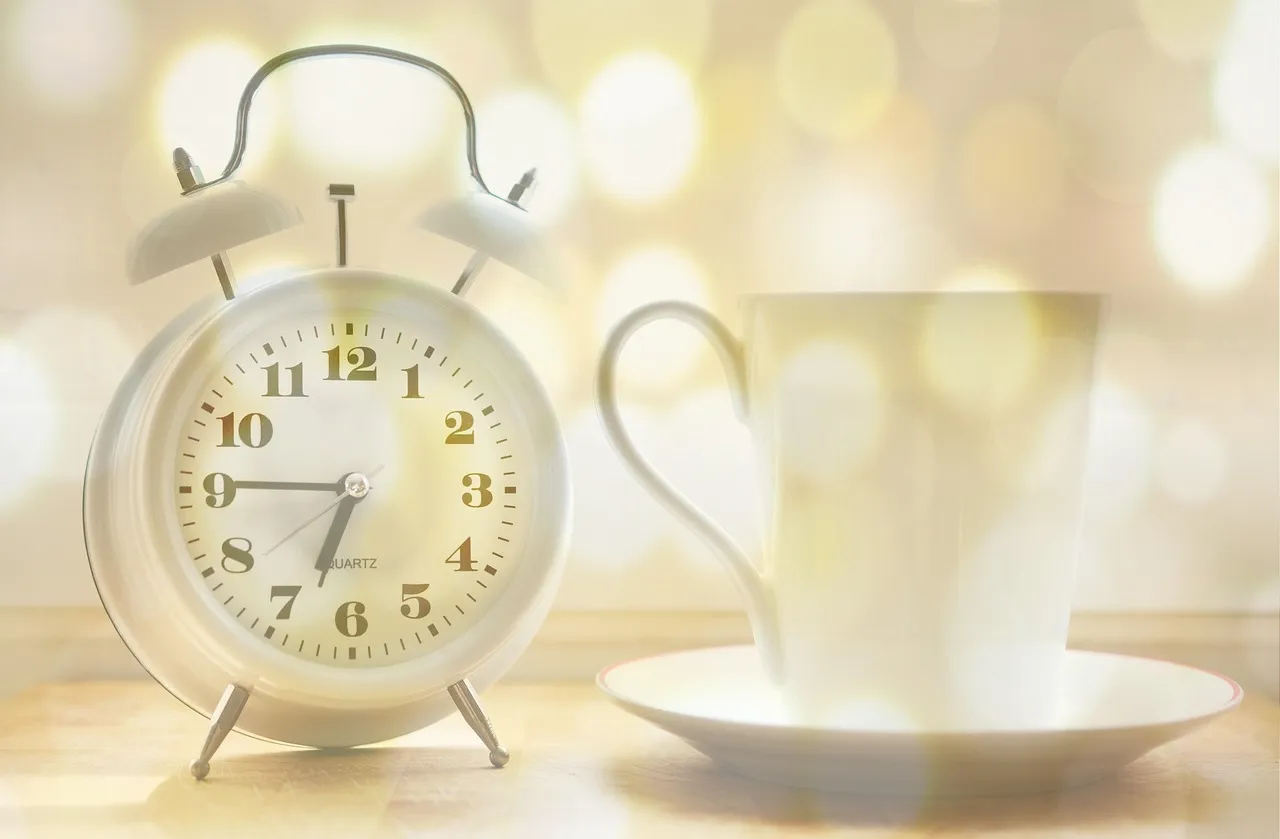
Morning greetings images are visual affirmations, inspirational graphics, or aesthetic photos that set a positive tone for your day. Whether it's a sunrise photo, an encouraging quote, or a gentle reminder about your intentions, these images serve as anchors for your morning mindset—visual pauses that give your brain a chance to recalibrate before the day takes over.
How Morning Greetings Images Shape Your First Hour
The first hour after you wake is powerful. Your mind is still quiet, not yet consumed by notifications and demands. When you pause to look at a morning greeting image—something thoughtfully chosen or discovered—you're creating a small ritual. You're telling yourself: "Before I react to anything, I choose this moment for myself."
These images work because they're immediate. A photograph or design can communicate in seconds what takes paragraphs to explain. A sunrise image doesn't require you to think; it just settles something in you. That's why so many people save and share morning greetings images—they recognize their power to shift perspective.
The habit matters more than perfection. You don't need the most beautiful image or the most profound quote. You need something that resonates, something real enough to land in your morning.
Where to Find Morning Greetings Images That Actually Work
Your first instinct might be to search "inspirational quotes" or "good morning images." That often leads to overstated, generic content. Here's a more thoughtful approach:
- Photography communities. Platforms like Unsplash, Pexels, and Pixabay offer authentic morning photographs—mist on fields, quiet kitchen light, gardens at dawn—without the overlay of someone else's words.
- Wellness-focused Instagram accounts. Follow accounts that align with your values: meditation teachers, naturalists, minimalist designers. Over time, you'll find images that genuinely speak to you rather than searching randomly.
- Nature and travel blogs. These often feature morning landscapes with honest, unpolished captions. The images feel real because they're usually personal.
- Local and seasonal sources. Photographs from your own region, in your current season, often resonate more than generic "beach sunrise" stock photos.
- Books and magazines. A single image from a book you love, torn out or photographed, carries more weight than a random scroll.
The criterion is simple: Does it make you pause? Does it feel true? That's the morning greeting image you want.
Creating Your Own Morning Greetings Images
You don't need to be a photographer or designer. You already have a phone. Here's how to build a personal library:
Step 1: Photograph your own mornings. Take one photo each week at sunrise or early light. A window with light pouring through. Your coffee. Your garden. Your street waking up. The images don't need to be beautiful—they need to be yours.
Step 2: Pair your photos with personal words. If you use a simple design app (Canva, PicCollage, or even Notes with a text overlay), add a single phrase. Not a quote from someone famous—something you actually need to hear. "You've done hard things before." "This morning, you choose ease." "Pay attention to what's beautiful today."
Step 3: Organize by season and mood. Save images that feel right for different seasons. Keep a folder for grounding images (solid colors, nature, stillness) and a folder for energizing images (movement, light, openness). When your mood is uncertain, you can choose what you actually need instead of randomizing.
Step 4: Refresh monthly. You'll naturally tire of the same image. Instead of keeping one forever, plan to rotate in something new each month. This isn't about novelty; it's about staying present rather than numb to what you see.
The images you create will be imperfect. They might be blurry, overexposed, or too simple. That's the point. They're real because you made them, not because they're polished.
Building Morning Greetings Images Into Your Actual Routine
An image sitting in a folder does nothing. It needs a role in your morning. Here's how to make it stick:
Set it as your lock screen or home screen. You'll see it first, before checking email or news. Change it weekly so it stays in your consciousness rather than becoming invisible. This small friction—the tiny reminder that you're changing it on purpose—keeps the habit alive.
Pin it somewhere physical. Print one image and tape it to your mirror, your coffee maker, or a wall you see first. There's something about paper that makes it less ignorable than a screen.
Create a weekly ritual. Every Sunday evening, choose an image for the coming week. Sit with it for a moment. Consider what you're moving into and whether this image supports that. The choosing is the practice, not just the looking.
Share it, but only with the right people. Send a morning greeting image to one friend or family member who might need it. This moves the practice beyond self-care into connection. The image matters more when someone else sees it and feels seen.
Use it as a transition tool. Before bed, look at tomorrow's image. When you wake, before reaching for your phone, give yourself 30 seconds with the image. Let your eyes adjust to it. This is your moment before the day begins.
Morning Greetings Images as an Anchor for Intention
The deeper work is using an image not just to feel good, but to remember what matters. An image can be a replacement for an intention you've lost track of.
Let's say you've decided you want to move more slowly through mornings. You'd choose or create an image that embodies slowness—not a motivational poster, but something that actually shows slowed movement. A cloud moving. Water. A person in stillness. Every time you see it, you're reminded of the commitment without needing to think.
Or say you're working on resilience. An image of roots, or a river, or weathered stone—something that suggests strength built over time—becomes your visual anchor. You're not being told to "be stronger." You're being shown what strength actually looks like.
The image should never feel like a demand. It should feel like a friend showing you something and saying, "This is what you're moving toward."
When Morning Greetings Images Actually Backfire
Not every image serves everyone. Some common pitfalls:
The guilt factor. If an image makes you feel worse—too aspirational, too polished, impossible to live up to—it's not helping you. Replace it. Your morning practice should build you up, not measure you against an ideal.
The comparison trap. If you're searching for images and falling into 20 minutes of scrolling, comparing your life to the aesthetics around you, the practice has become counterproductive. Set a timer. Look. Move on. Or print images and keep your phone away entirely.
The false urgency. Beware of images that create pressure or anxiety. A "seize the day" image that makes you feel rushed isn't grounding. A calm, simple image that reminds you to breathe is.
The right image for you might be the wrong image for someone else. Trust what actually shifts something in you, not what you think should work.
Morning Greetings Images and the Science of Visual Priming
This isn't mystical. Your brain notices what you show it first. If the first image you see is chaotic, you're more likely to move through your morning chaotically. If the first image is calm, you're priming your brain toward calmness. This is basic neuroscience, not magic.
Images work differently than words because they bypass the language centers of your brain and hit visual and emotional centers more directly. A photograph of a forest doesn't require you to think about what a forest means. You feel it first.
This is also why consistency matters. Your brain adjusts to repeated stimuli. An image you've seen for three weeks becomes part of the background. That's when you rotate it—not because the practice failed, but because your brain has integrated it and needs a new focal point.
Creating a Personal Morning Greetings Library
Over time, you'll accumulate images that matter to you. Here's how to organize them practically:
Sort by intention, not by category. Instead of "nature photos" or "quotes," organize by why you'd use each image: "Grounding," "Energy," "Letting go," "Connection," "Slowness," "Courage." When you wake and need support, you pick the folder that matches your day.
Keep a "favorites" folder. Some images will work year after year. Honor the keepers. You don't need to chase novelty.
Review quarterly. Every three months, spend 10 minutes looking at your library. Remove images that no longer resonate. You'll notice them immediately—they'll feel dated or hollow. Let them go.
Your library is alive. It grows and changes as you do.
Sharing Morning Greetings Images With Others
One of the most powerful uses of these images is connection. When you share a morning greeting image with someone, you're saying: "I thought of you. I think this matters for your day too."
This works best when it's not frequent or forced. Sending a morning greeting image to someone once a week, or a few times a month, becomes meaningful. Sending three a day becomes noise.
The right person receives it and feels seen. They might respond, or they might simply keep it. Either way, you've created a moment of attention in someone else's day, and they've created one in yours by accepting it.
FAQ: Morning Greetings Images
Do I have to use morning greetings images, or is it optional?
It's completely optional. If your morning practice works without images, you don't need them. These images are a tool for people who benefit from visual anchors. Some people are visual thinkers; others respond better to sound, movement, or other input. Use what works for you.
How long should I look at a morning greeting image?
Thirty seconds is plenty. You're not trying to meditate into it. You're creating a pause and a visual anchor. If it's useful, that's enough.
What if I can't find an image that feels right?
Photograph something yourself or use a solid color. A pale blue, warm cream, or soft gray can be just as grounding as any image. Sometimes simplicity is the answer.
Is it okay to use the same morning greeting image for months?
Yes, if it still resonates. You don't have to rotate just because time has passed. The moment you notice yourself not seeing it anymore—when it's become invisible—that's when you change it. That awareness is your signal.
Can morning greetings images replace other wellness practices?
No. These images work best as part of a routine, not as a substitute for sleep, movement, or connection. They're a support, not a cure. If you're struggling, an image won't fix that—but it might help you remember that you're capable of caring for yourself, which matters.
How do I know if the images I'm choosing are helping?
Notice how you feel in your first hour after waking. Are you calmer? More focused? More aware of your choices? If the answer is yes, they're working. If you feel the same or worse, they might not be the right tool for you right now.
Should I create new morning greeting images or collect existing ones?
Both. Collecting gives you immediate options and variety. Creating gives you ownership and personal meaning. A mix of both—images you found and images you made—tends to work best.
What if I forget to look at my morning image?
That's fine. You missed one morning. It's not a failure. The practice is gentle, not rigid. If you're forgetting regularly, maybe it's not set up in a visible-enough place. Move it. Or maybe it's not what you actually need right now. That's okay too.
Stay Inspired
Get a daily dose of positivity delivered to your inbox.