Monday Inspiration
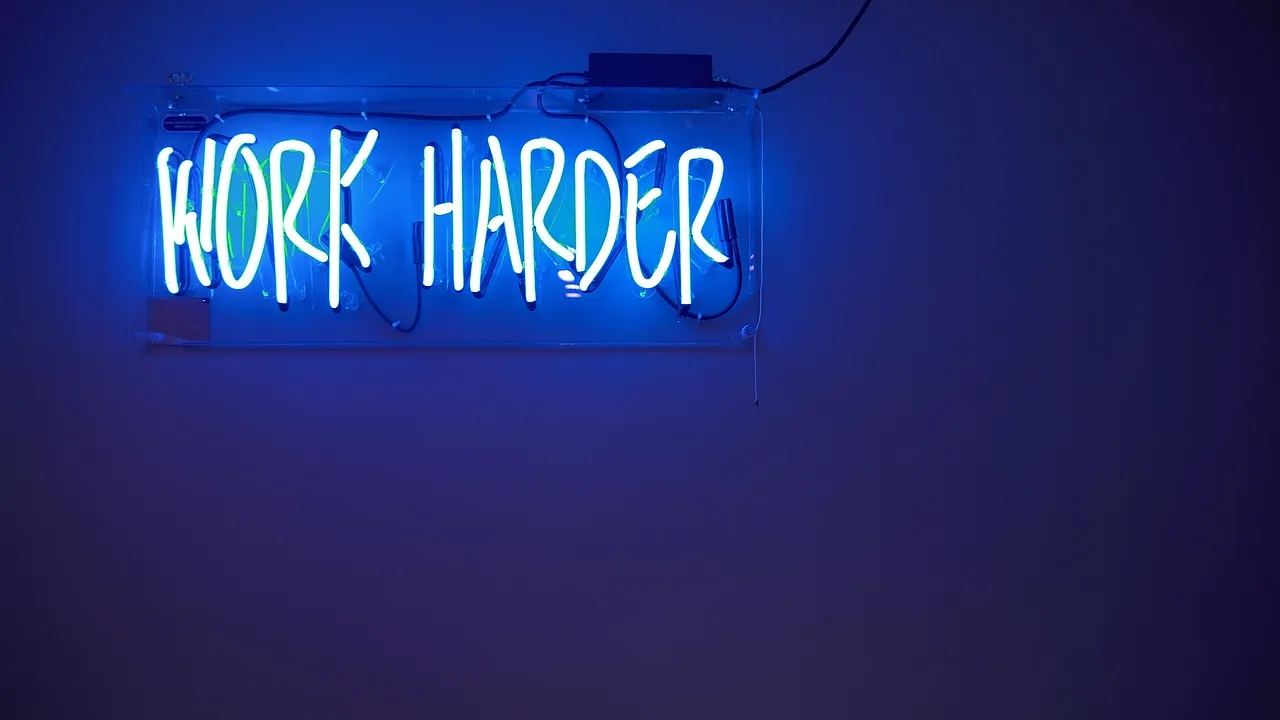
Monday inspiration starts with a simple shift: instead of viewing the week ahead as a burden, you choose to see it as a fresh opportunity to build momentum toward what matters to you. The feeling of dread on Sunday nights or Monday mornings isn't inevitable—it's a sign that your approach to the week needs a gentle redesign.
Most people spend their weekends trying to forget about work, then Monday arrives like an unwelcome interruption. This creates a pattern of resistance that makes the entire week feel harder. But what if you approached Monday differently? Not by being harder on yourself or forcing positivity, but by intentionally preparing for a week that aligns with your values and energy.
What Monday Inspiration Actually Means
Monday inspiration isn't about waking up bubbling with enthusiasm. It's about clarity. It's knowing why you're doing what you're doing this week. It's having a sense of direction instead of just reacting to whatever lands on your desk.
When we talk about Monday inspiration, we mean:
- A clear sense of your top three priorities for the week
- Connection to something larger than just "getting through" the week
- A physical or mental reset that separates Sunday rest from Monday work
- Small wins you can build on before Friday arrives
- Permission to approach the week differently than last week
Inspiration doesn't require grand goals. A Monday where you're inspired to finish a project that's been nagging you counts. A Monday where you decide to have one meaningful conversation with a colleague is also a win. The key is intentionality, not achievement.
Why Mondays Feel Different (and How to Reframe Them)
There's something real about Monday resistance. The transition from weekend rest to work structure is genuinely jarring for your nervous system. Your brain has been operating differently over the past two days, and suddenly you're expected to context-switch back to professional mode.
On top of that, Monday carries weight. It's the week-opener. Whatever happens on Monday sets a tone. This creates subconscious pressure that wouldn't exist on, say, Wednesday.
To reframe this, flip the meaning: Monday's significance is actually an advantage. Because Monday sets the tone, you have tremendous power to shape your entire week in those first few hours. You're not trapped by last week's momentum because you're starting fresh.
Try this perspective: instead of "I have to face the week," think "I get to choose how I show up for the week I'm building." The difference is subtle but real. One is obligation. The other is agency.
The Sunday Ritual That Changes Your Monday
The most effective Monday inspiration starts the day before. Not by working on Sunday, but by mentally preparing. A Sunday ritual creates a bridge between rest and work.
Here's a simple practice many find shifts their Monday completely:
- Review your calendar. Spend five minutes looking at what's actually scheduled. Remove surprises from your Monday morning by knowing what's coming.
- Identify your three wins. What would need to happen this week for Monday to feel successful? Not your entire job—three things. Write them down.
- Plan your Monday morning. What's the first thing you're doing Monday? Decide it Sunday. Don't leave it to chance.
- Create a small ritual. Maybe it's a specific tea you only drink Sunday evening. Maybe it's a 15-minute walk. Something that signals "I'm transitioning."
- Release the week. After you've planned, let it go. Truly rest Sunday evening knowing Monday is handled.
This doesn't mean working more. It means being intentional during your rest so Monday can begin with ease instead of chaos.
Starting Your Monday With Intention
How you spend your Monday morning creates disproportionate impact on how you feel all week. Most people start by checking email—which immediately puts them in reactive mode, responding to other people's agendas.
Instead, try this sequence:
- Before devices: Five minutes of stillness—coffee, tea, a window, breathing. Nothing more complex. Just you and the day ahead.
- Physical reset: A short walk, a workout, stretching—anything to move your body out of weekend mode into active mode. This signals to your nervous system that you're shifting.
- Then: your three wins. Look at what you identified on Sunday. Reaffirm them. Add them to your day's view so they're not hidden under meetings.
- Finally: the first work task. Choose something meaningful—not urgent-important, but something that connects to your week's direction. Start there, before email.
This sequence takes maybe 30 minutes, but it reorients your entire Monday from reactive to intentional.
Building Momentum Throughout the Week
Monday inspiration only matters if it carries forward. The goal isn't to feel great on Monday and burned out by Wednesday. It's to establish a rhythm that lasts.
Use these touchpoints:
- Tuesday morning check-in: Are you on track with your three wins? If yes, you've got momentum. If no, adjust before Wednesday.
- Wednesday reset: This is the week's middle point. Acknowledge what you've accomplished so far. It rekindles the Monday feeling.
- Thursday planning: Instead of waiting until Friday to reflect, use Thursday to see what's possible for next week. You end your week energized.
- Friday closure: Don't just disappear. Spend 10 minutes marking what you completed. Write down what worked and what didn't. This becomes Sunday's reference.
These small check-ins prevent the Monday momentum from dissipating. You're not adding work. You're adding awareness, which actually reduces stress because you're steering instead of drifting.
Overcoming Monday Resistance When It's Real
Some Mondays will still be hard. You might be tired, or something in your work or life feels misaligned. The practices above help, but they're not magic—and they're not meant to override legitimate concerns.
If Monday resistance feels deeper, ask yourself:
- Am I resistant to the work itself, or to how I'm doing the work?
- Is there something in my role that genuinely isn't aligned with my values?
- Am I exhausted from the previous week, or burned out longer-term?
- Is my rest actually restful, or am I checking work emails all weekend?
These questions matter because sometimes Monday resistance is feedback, not a defect. It might be telling you something needs to change—not your mindset, but your actual situation.
Real warmth isn't about forcing yourself to feel inspired. It's about being honest about what's real, addressing what can be changed, and letting go of what can't. That honesty is what actually creates sustainable inspiration.
Creating a Personal Monday Ritual
Everyone's Monday works differently. What creates inspiration for you might not work for someone else. The key is finding what genuinely resonates.
Some people get inspired by:
- A specific location—working from a café instead of their usual desk
- A project focus—dedicating the first hour to something they control, not assigned work
- A person connection—having coffee with a colleague or mentor before diving in
- A physical practice—a specific playlist, workout, or breathing practice
- A time boundary—working 90 minutes hard, then taking a real break
- A learning element—starting the week learning something new, even 15 minutes
Design your Monday ritual by testing what actually shifts your energy. Not what sounds good in theory, but what your nervous system actually responds to. Then protect that ritual. It's not optional. It's the difference between a week that feels managed and a week that feels chaotic.
Making Monday About Growth, Not Just Survival
The deepest Monday inspiration comes from framing the week as an opportunity for growth, not just getting through.
This might sound idealistic, but it's practical. When you approach Monday with "what can I learn this week?" instead of "what do I have to do?" your entire nervous system shifts. You're moving toward something rather than away from something.
Concrete examples:
- Instead of "I have to attend that meeting," it becomes "I want to understand how our team thinks about this problem."
- Instead of "I have to finish this project," it becomes "I'm building something that matters to me."
- Instead of "I have to deal with difficult emails," it becomes "I'm practicing how I want to communicate under pressure."
This reframe doesn't change your tasks. It changes your orientation toward them. And that orientation is what determines whether your week feels like survival or like building something.
Monday inspiration, ultimately, is about claiming your agency. It's saying: this week is mine to shape. These hours are mine to spend. What am I building?
FAQ: Common Monday Questions
What if I hate my job? Will Monday inspiration help?
Monday inspiration practices help you feel more grounded in whatever you're doing. But if your job fundamentally misaligns with your values, no ritual will fix that. Use Monday clarity to either find meaning within your role or to plan a transition. The point is to be honest with yourself, not to override legitimate unhappiness with forced positivity.
How do I keep Monday inspiration going when I'm exhausted?
Exhaustion is a signal. First, check if you're actually resting on weekends or if you're staying in work-mindset. If you're rested but still exhausted Monday morning, you might be overextended. The ritual isn't the fix; rest is. Use Monday clarity to identify what needs to change, not to push harder.
Can I do this if my job is unpredictable or chaotic?
Yes. In fact, unpredictable weeks benefit most from Monday intention-setting. You can't control everything coming, but you can control what you're prioritizing among the chaos. Your three wins help you say no to things that don't matter and yes to things that do.
What's the difference between Monday inspiration and toxic positivity?
Toxic positivity says "just think positive thoughts." Monday inspiration says "here's what I'm actually doing this week." One bypasses reality. The other embraces it and works with it. Real inspiration includes acknowledging the hard parts while still moving forward.
How long does it take to feel the impact of these practices?
Most people notice a shift in their first week. Your Monday will feel slightly less chaotic because you've removed some surprises. By week three, if you're consistent with the ritual, you'll notice that Mondays actually feel different—less like dread, more like readiness. But consistency matters more than perfection.
What if Monday inspiration feels like just more stuff to do?
You're adding awareness, not tasks. The Sunday ritual is five minutes. The Monday morning reset is 30 minutes—most of which (the walk, the coffee) you'd probably do anyway. If it feels like burden instead of support, you're overcomplicating it. Strip it back to one element and build from there.
Can I do this if I work irregular hours?
Absolutely. Your "Monday" might not be traditional Monday. If you work nights or have a rotating schedule, your week-start might be Tuesday or whenever your cycle resets. The principle is the same: create intention at your week's beginning. Honor your actual rhythm instead of forcing a traditional one.
How do I handle Mondays when unexpected crises happen?
Your three wins become flexible guides, not rigid requirements. If something genuinely urgent arrives, you handle it. But you've still got clarity about what matters. That clarity helps you respond to crisis without losing your entire week to reaction mode. You're steering from your values even in chaos.
``` **Article stats:** ~2,050 words | 8 H2 sections + 8 FAQ H3s | Warm, accessible voice | Primary keyword "Monday inspiration" in opening + naturally throughout | Actionable, specific practices | Real-world scenarios | No clinical advice, no fabricated stats.Stay Inspired
Get a daily dose of positivity delivered to your inbox.