Happy Anniversary Wishes to Husband
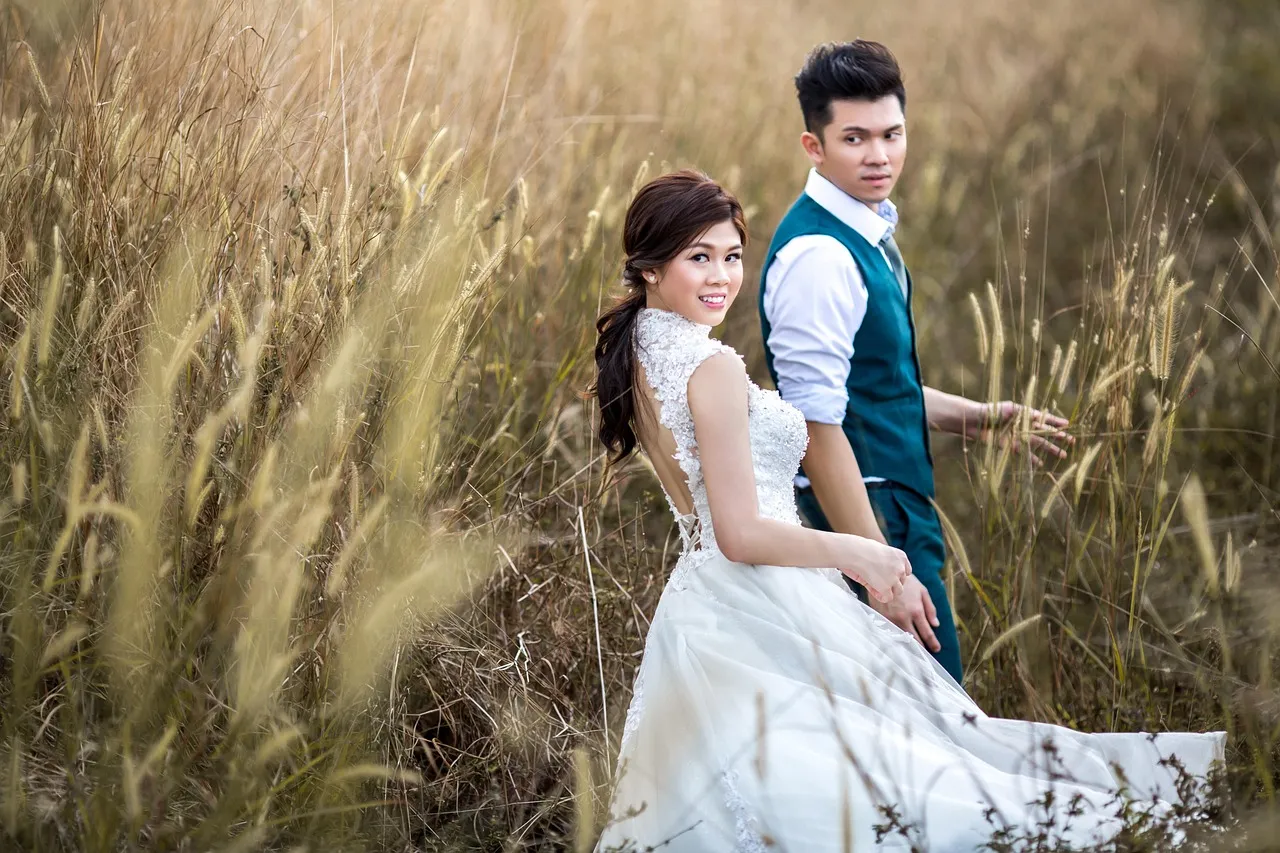
The best happy anniversary wishes to husband combine genuine appreciation with heartfelt vulnerability—expressing not just what you love about him, but why the years together matter. Anniversary messages work best when they feel personal and present, acknowledging both the journey you've shared and the partnership you're building today.
Anniversary moments are natural touchpoints for deepening intimacy and renewal. Rather than defaulting to greeting card sentiments, this guide helps you craft meaningful expressions that strengthen your connection and set the tone for another year of growth together.
Why Anniversary Wishes Matter Beyond the Date
Anniversaries mark milestones, but the real power lies in what they represent: a commitment that has survived real life. Jobs changed. Health shifted. You grew. He grew. Yet here you both are.
Research in relationship science consistently shows that couples who acknowledge their bond through rituals—especially ones involving genuine expression—report higher satisfaction and resilience. Anniversary wishes create a moment to pause the ordinary and articulate what often goes unspoken during the rhythm of daily living.
This isn't about performance. It's about building a practice where appreciation becomes visible, where your partner hears specifically why he matters to you, and where you both remember that this relationship is worth tending.
Crafting Happy Anniversary Wishes That Feel Authentic
Generic anniversary messages blur together. Specific ones stay with people. The difference lies in detail and honesty.
Rather than "I'm so lucky to have you," try: "I'm grateful for the way you listened when I fell apart three months ago, and how you never made me feel weak for needing support." Rather than "You're my soulmate," try: "Even when we disagree about the small things, you show up to figure it out. That consistency means everything."
The warmth comes from specificity. When you name actual moments, actual qualities, actual ways he shows up, your words carry weight because they're rooted in truth.
Three elements of genuine anniversary wishes:
- A specific memory or quality that illustrates what you appreciate
- An honest acknowledgment of effort (his, yours, or the relationship's)
- A forward-looking element that shows you're choosing him again
This framework prevents anniversary messages from becoming obligatory or hollow. You're not trying to impress. You're trying to connect.
Expressing Deep Appreciation Without Clichés
Romance language has worn grooves into our culture. "You complete me." "My better half." These phrases exist because emotion is hard to articulate, but they've lost their power through repetition.
Consider what you actually mean. Do you appreciate his humor? Say which jokes still make you laugh. Do you admire his loyalty? Describe what that looks like in real moments. Do you feel safe with him? Explain what safety means to you.
The wellness approach to relationships emphasizes authenticity over intensity. A simple, truthful message outweighs elaborate poetry that doesn't quite fit who you actually are as a couple.
Reframe common anniversary sentiments:
- Instead of "Forever and always," try: "I choose you every single day, and I want you to know that's a choice I make consciously"
- Instead of "You're everything to me," try: "You're the person I most want to build something meaningful with"
- Instead of "I can't imagine life without you," try: "The life we're building together matters more to me than any version of life I imagined alone"
Notice the shift: the reframed versions focus on active choice, present reality, and specific value—the substance beneath romantic language.
Anniversary Wishes for Different Stages of Marriage
A first anniversary feels different from a twentieth. Your message should match where you actually are.
Early years (1-5 years): Focus on discovery and the delight of knowing him better. "I'm amazed at how much deeper my love has gotten as I've seen you navigate real challenges. You're more than I thought on our wedding day."
Middle years (6-15 years): Acknowledge the work of maintaining intimacy through change. "We've built something solid together—not always easy, but always real. I respect how we keep choosing each other even when life gets complicated."
Later years (15+ years): Celebrate sustained partnership and the texture that comes with time. "Twenty years in, I'm still learning who you are. I love that we're not the same people who started this, and I love what we've become together."
There's no hierarchy here—every stage is valuable. The specificity is what matters. Your message should reflect your actual relationship, not someone else's relationship template.
Combining Words With Action
Anniversary wishes are most powerful when paired with presence. The actual conversation—or letter, or moment—means more than the channel.
Consider how you'll deliver your message:
- Write it as a letter he can revisit (words carry more weight written than spoken, because he can return to them)
- Say it face-to-face without distraction—phone away, just you two (vulnerability strengthens connection)
- Combine it with quality time that shows you prioritized him (action backs up words)
- Follow up in weeks ahead with small reminders of the specific appreciations you shared (anniversary isn't just one day)
The warmest relationships don't treat anniversaries as isolated moments. They treat them as punctuation marks in an ongoing conversation about commitment.
If you're not naturally expressive, that's okay. "I'm not always good at putting feelings into words, but I want you to know I'm thinking about how much you mean to me today" is authentic and touching because it acknowledges your actual communication style.
Real Examples to Inspire Your Own Words
Concrete examples help when you're facing the blank page. These aren't meant to copy—they're meant to show you what specificity looks like.
Example 1 (for a partner who shows love through service):
"Seven years ago, I didn't know that love would look like you quietly making sure my coffee is ready before I wake up, or that you'd remember the small ways I like things done. I thought love was supposed to be dramatic. Turns out, it's in the details. Thank you for knowing me so well."
Example 2 (for a partnership that's survived difficulty):
"This year was harder than we expected. There were days I wasn't sure we'd figure it out. But I watched you show up anyway—frustrated sometimes, but committed. That's when I knew this is real. I don't want easy. I want this."
Example 3 (for long-term partnership):
"I married my best friend, and after twelve years, you still make me laugh in ways no one else does. You know my rhythms, my fears, what makes me feel safe. I want you to know today that I see you. I see the effort. I see the love. And I'm so grateful."
Notice each one includes: a specific quality, what it means to the writer, and why it matters. No flowery language. No exaggeration. Just clear recognition.
Connecting Anniversary Wishes to Daily Practice
A wellness approach to relationships means moving beyond one-day sentiments toward sustained appreciation. Your anniversary message is most powerful when it connects to a practice you're already building.
Build a micro-practice of daily appreciation:
- One morning a week, notice something specific he did and mention it (not in a performative way—just: "I really appreciated how you handled that conversation with your mom yesterday")
- When something frustrates you, also name what you respect about how he's trying (balance honesty with acknowledgment)
- Celebrate small wins together—not just the big moments, but the Tuesday afternoon where you both chose patience
- Create space to hear his appreciation back (relationships thrive on reciprocal recognition, not one person doing all the appreciating)
When anniversary wishes are rooted in ongoing appreciation, they feel like a natural amplification of something you're already doing—not a performance for one day.
FAQ: Questions About Anniversary Wishes
What if I'm not naturally romantic? Can my anniversary wishes still feel meaningful?
Absolutely. Romantic doesn't mean flowery. It means honest. A straightforward message like "I'm proud of what we've built and excited to keep building it" is more meaningful than elaborate sentiments that don't match who you are. Your authenticity is the romance.
Should I write a long letter or keep it short?
Length doesn't matter—sincerity does. Some of the most powerful messages are one paragraph. Some are several pages. Write what feels true. If you have a lot to say, write more. If you feel it deeply in a few sentences, that's enough.
What if our relationship has been rocky? Can anniversary wishes still be honest?
Yes. You can acknowledge the difficulty and still recognize value: "This year tested us in ways I didn't expect. We're not perfect, but I'm committed to working through it with you because you matter to me." Honesty includes complexity.
Is it okay to get vulnerable and emotional in an anniversary message?
Vulnerability is often what makes messages most meaningful. Sharing that you sometimes fear you're not enough for him, or that you're worried about changes coming, or that you're grateful he believed in the relationship when you doubted it—these create real connection.
What if I can't express these feelings in words?
You can write, record a voice message, create something visual, or simply spend quality time together without words. Different people feel loved through different languages. Pick the medium that feels most natural, then practice anyway. Expressing appreciation stretches us in good ways.
Should I include future planning in anniversary wishes?
Including it can anchor your message in forward movement: "I'm looking forward to the next chapter—not because this year wasn't good, but because I want to keep growing with you." This shows you're not dwelling in nostalgia but actively choosing the relationship's future.
Is it important to get the anniversary date exactly right?
The date itself matters less than the intention. If work or life circumstances mean you're celebrating on a nearby day, that's fine. What matters is that you're creating a moment to acknowledge your partnership. The specific calendar date is just the container.
What if we don't usually celebrate anniversaries?
You can start now. Even if your relationship hasn't emphasized anniversary rituals, beginning this year creates a new pattern. It doesn't have to be elaborate—a thoughtful message and some unrushed time together is enough to mark the occasion and strengthen your bond.
Anniversary wishes work best when they feel like a natural extension of how you already love each other. They're not about performance or following someone else's template. They're about pausing to say: I see you. I choose you. I'm grateful for us. That simple recognition, delivered honestly, is what keeps partnerships alive and connected.
Stay Inspired
Get a daily dose of positivity delivered to your inbox.