Goodmorning Message for a Friend
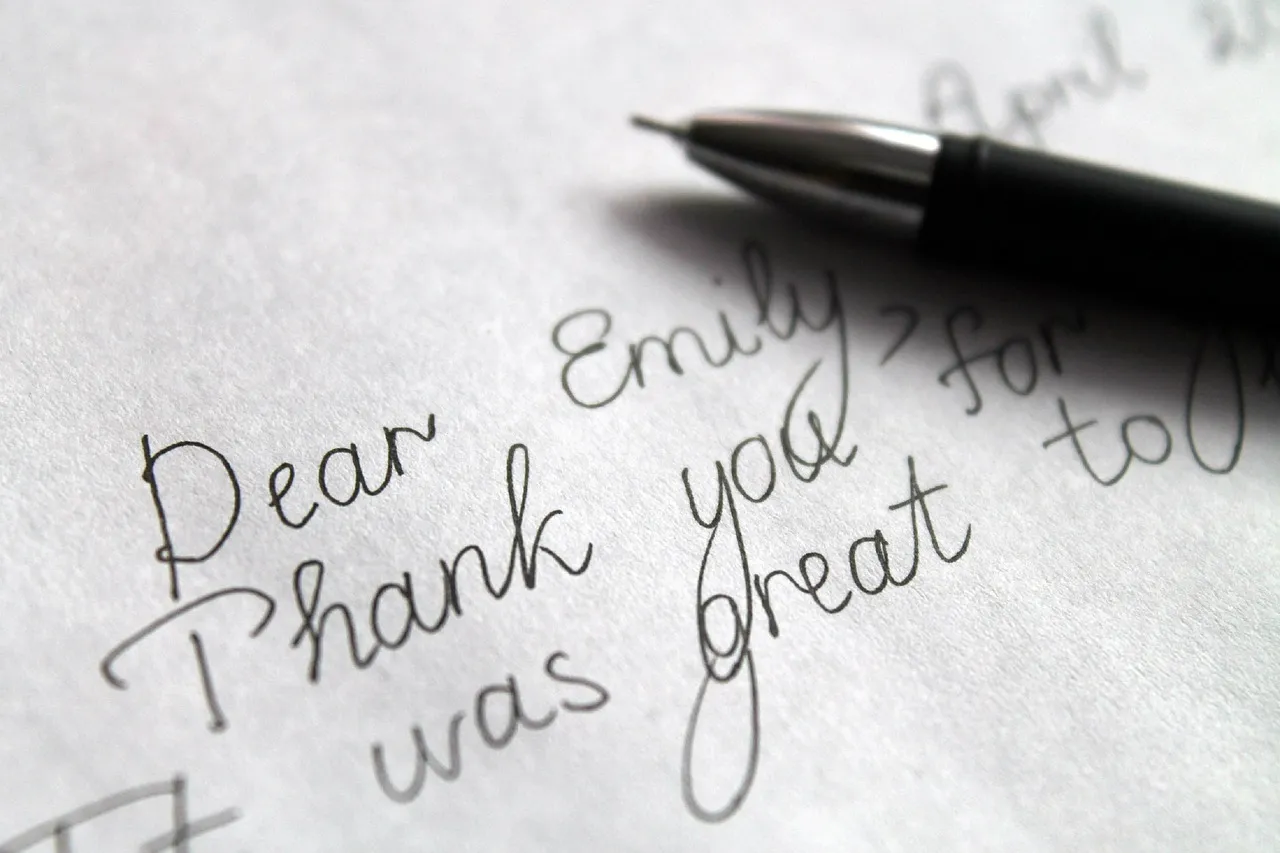
A good morning message for a friend is a simple, warm text or note sent at the start of their day to brighten their mood and strengthen your connection. The most meaningful messages take just a moment to write but show genuine care—a reflection of why the friendship matters to you.
In our rushed mornings, it's easy to skip checking in with the people we value. But starting someone's day with a thoughtful note can shift their entire perspective. Whether you're building a new habit of connection or deepening an existing friendship, knowing how to craft messages that land authentically makes all the difference.
How to Write a Genuine Good Morning Message for a Friend
The best good morning messages feel like a natural extension of how you actually talk to your friend. This is the foundation: authenticity matters more than perfection.
Start by asking yourself what you genuinely want to convey. Are you checking in because you were thinking of them? Do you want to wish them luck with something they mentioned? Are you just in a good mood and want to share that energy? Let that intention guide your words.
Keep it brief. A good morning message doesn't need to be long. Three to five sentences are often perfect—you want to brighten their day, not overwhelm their phone before breakfast.
Here's a simple framework:
- Lead with warmth (a greeting or genuine compliment)
- Add a specific detail (something recent they shared or a memory you both have)
- Include your intention (wishing them a good day, sending energy, hoping something goes well for them)
- Close with an inviting note (open the door to response without pressure)
Notice this isn't a formula—it's a way to ensure your message feels intentional rather than generic. The specificity is what makes it land.
Types of Good Morning Messages for Different Friendships
Your friendship dynamics shape what works. A playful tone with one friend might feel off with another. The best good morning messages honor who you both are.
For close, long-term friends: You can be more casual and inside-joke oriented. "Remember when we were convinced we could run a coffee shop? Today feels like one of those mornings. Hope yours is better than our hypothetical espresso machine skills." These messages lean into shared history.
For friends going through something specific: Acknowledge what they're facing. "Big day for you today, yeah? Thinking of you. You've got this." Simplicity here shows you're present, not just performing cheerfulness.
For friends you want to grow closer to: Be warm but genuine. Skip overly casual inside jokes you haven't built yet. Instead focus on real observations: "I've been thinking about something you said last week—wanted to check in and see how you're doing."
For long-distance friends: These messages can do more emotional work. They're anchors that bridge physical distance. "Morning from my end of the world. Missing you. Hope your day brings good surprises."
For friends dealing with early shifts or tough seasons: Acknowledge their effort. "Another early start for you. I admire how you show up. Hope today feels a little lighter."
Personalization: Making Your Message Feel Authentic
Generic good morning messages are rarely remembered. Personalized ones stick with people for hours.
The key is specificity. Instead of "Hope you have a great day," try "Hope your interview goes well" or "That deadline should be easier with that plan you came up with." This shows you were actually listening when they talked.
Reference something real:
- A recent conversation or worry they mentioned
- An upcoming event or milestone
- A quality you admire in them
- A shared memory that fits the moment
- Their personality quirk or passion
- Something you noticed they're working toward
If you don't have a specific reason, that's okay too. Honesty works: "Nothing specific today, just woke up thinking about how grateful I am for you. Wanted to say it before the day gets busy."
Avoid trying too hard. If you don't know them well enough yet to reference something specific, focus on genuine warmth instead of fabricated connections. Your friend will sense the difference.
Timing and Frequency: Getting It Right
When you send a good morning message matters—both the time of day and how often you do it.
Timing within the day: Early morning (6-8 AM) works for most people who have regular schedules, but think about your specific friend. Night shift worker? Maybe their "morning" is afternoon. They've mentioned loving their 10 AM coffee ritual? That might be the sweet spot.
Finding your rhythm: Some friendships thrive on daily messages. Others feel better with 2-3 times a week. Some relationships are closer-contact that's not morning-focused. Let your relationship naturally dictate the frequency.
A good test: Would they be happy to hear from you, or would they feel guilty about not responding? If it's the latter, you might be sending too often too early in your friendship. Adjust.
Consider their life phases too. During busy seasons (exams, new job, new relationship), even close friends might appreciate fewer messages or shorter check-ins. Show you understand their rhythm.
Avoid the temptation to establish a perfect "every day at 7 AM" pattern if it doesn't feel natural to you. Consistency comes from genuine care, not a calendar notification.
Good Morning Message Ideas and Examples
Here's how authenticity looks in practice. These aren't templates—they're starting points you'd adapt to your actual voice and friendship.
Encouraging before something hard: "You've been thinking about this conversation all week. You're ready. You know what you want to say. Text me after?"
Lifting a friend's mood without fixing their problem: "I can't change what's happening today, but I want you to know I'm routing for you. Small wins count."
For a friend with a recurring struggle: "New day, same strength you've always had. Check in with yourself gently today, yeah?"
Playful and light: "Your coffee needs to know there's a friend out here who thinks you're amazing. Tell it."
Noticing growth: "I was remembering how much you dreaded this kind of thing last year. Look at you now. Proud of you."
Just because: "You came to mind right now in the best way. Hope that translates to a good morning for you. Let me know how the day unfolds?"
For friends facing change: "First morning of the new chapter. Hope it feels a little less scary. You're braver than you know."
When life is good: "Morning is beautiful and I'm happy. Wanted to share that feeling with you. Hope some of it reaches your day."
Building Daily Connection Through Morning Messages
When good morning messages become a habit, something shifts in a friendship. It stops being an occasional gesture and becomes a practice—a small commitment that compounds.
This doesn't mean perfection. Some mornings you'll write thoughtfully. Other days you'll send something quick. The consistency isn't about output; it's about showing up, even in small ways.
Over time, your friend begins their day with a small anchor: they know someone is thinking of them before the world gets loud. That's powerful, and it's simple.
For the person sending: this practice also shifts you. You become more attuned to your friends' lives, more aware of what matters to them, quicker to notice struggles and celebrations. You're building the friendship deliberately instead of letting it run on autopilot.
The morning message becomes a ritual that honors the friendship without requiring hours of time. Five minutes and genuine presence—that's all it takes.
Overcoming Common Challenges
You forget to send them: This is normal. Start small—pick one friend and commit to reaching out 3 times a week. Once that becomes natural, add another friend if you want. Build slowly.
You worry about seeming needy: A genuine, brief good morning message isn't needy. What matters is your friend's perspective. Most people feel cared for, not burdened, by knowing someone's thinking of them. If you're genuinely concerned, you could simply ask: "I like sending you morning notes sometimes—does that feel good to you, or does it feel like pressure?"
You don't know what to say: Lean on your actual feelings instead of performing happiness. "Rough morning here. Hope yours is better" is real and honest. "Couldn't sleep well, but your friendship is one of the good things I know is solid" is vulnerable and true.
They rarely respond: That's okay. Some people aren't phone-based communicators, even if they love you. Their lack of response doesn't mean your message didn't land. You're not sending messages to get replies—you're sending them because the friendship matters. That's its own reward.
You feel like you're repeating yourself: You might be. Vary what you reference, the tone you take, the length of the message. But also know that repetition—the steady presence—is part of what makes it meaningful. Friends don't need novelty; they need to know someone's there.
Making Good Morning Messages Part of Your Wellness Practice
There's something generous about beginning your own day by thinking of someone else. It shifts your mental focus from what you're worried about to the relationships that matter.
This is why good morning messages benefit the sender as much as the receiver. You're starting your day with intention. You're practicing presence. You're acknowledging that you care about someone enough to think of them before the day pulls you in a thousand directions.
It's a small act of love, sent early in the day when you have a bit of clarity about what matters.
Over time, this becomes part of your identity as a friend. You're the person who checks in. You're someone who shows up, consistently and genuinely. That's not a burden—it's who you get to be in your friendships.
FAQ: Good Morning Messages for Friends
How long should a good morning message be?
Three to five sentences is ideal. You want to land warmly without overwhelming their phone. If you find yourself writing paragraphs, consider saving some of that for a longer conversation later. A good morning message is a touch-base, not a full update.
Is it weird to send good morning messages if we haven't texted in a while?
Not at all. In fact, it can be a gentle way to restart connection. You might acknowledge the time gap lightly ("I know it's been a minute") or just jump in with warmth. Most friends feel relieved and happy when someone reaches out, regardless of how long it's been.
What if my friend doesn't seem to like good morning messages?
Pay attention to their patterns. Do they respond? Do their responses feel engaged or minimal? You could ask directly: "I love checking in—is morning a good time, or would you rather hear from me at a different time?" Their answer matters, and honoring it strengthens the friendship.
Can I send the same message to multiple friends?
You can, but when possible, personalize. Even if you're sending to several people, a quick detail that shows you were thinking of them—not just sending a mass text—makes a difference. If you're genuinely short on time, a warm generic message is still better than no message.
Should I expect a response?
Not necessarily. Some friendships are reciprocal in this way; others aren't. Your friend might love receiving your messages but not be a morning texter themselves. Release attachment to a specific response. You're sending because the friendship matters, not because you need proof that it's received.
How do I keep good morning messages from feeling like an obligation?
Stop when it stops feeling natural. If you're sending messages out of guilt or routine without genuine care, it shows. Better to send fewer, real messages than many autopilot ones. The friendship will feel the difference.
Can I send good morning messages to people I'm not super close with?
Absolutely. You can warm an acquaintance-level friendship through thoughtful check-ins. Just match the tone to where you actually are. Keep it genuine and light. Let the friendship evolve at its own pace based on how they respond.
What if I keep forgetting to send them?
You're probably overcomplicating it. Start with one friend and one day a week. Build from there. Use a phone reminder if it helps, but keep expectations realistic. A weekly genuine message is better than a daily aspiration you can't sustain.
Stay Inspired
Get a daily dose of positivity delivered to your inbox.