Good Morning Wishes Picture
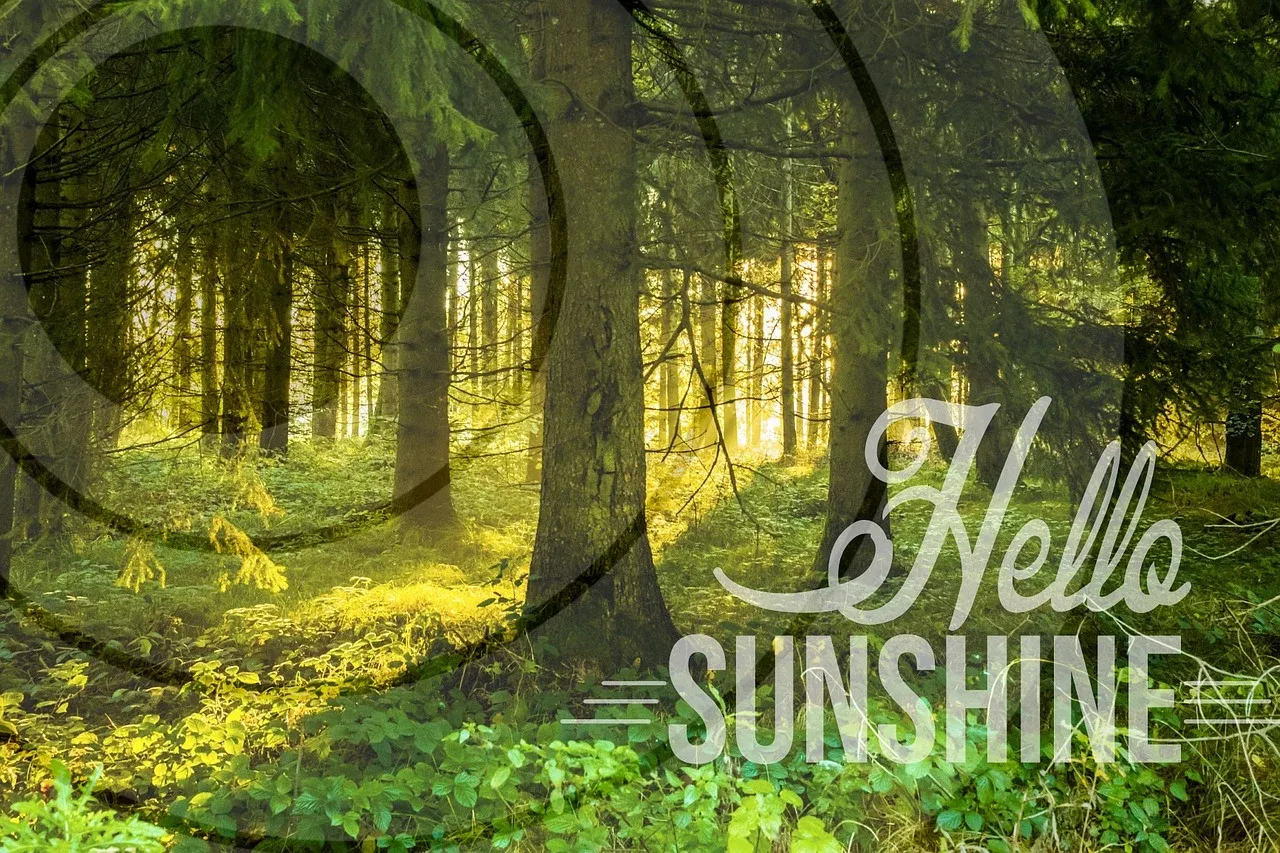
A good morning wishes picture is a visual message—often featuring uplifting text, nature imagery, or inspiring quotes—designed to start someone's day with positivity and encouragement. Whether you're looking to brighten a loved one's morning or build your own daily ritual, these images offer a simple yet meaningful way to begin each day with intention and warmth.
What Are Good Morning Wishes Pictures and Why They Matter
Good morning wishes pictures blend visual design with encouraging words. They can be as simple as a sunrise photo with "Good Morning" text, or more elaborate designs combining motivational quotes, calming imagery, and thoughtful messages. The combination of sight and sentiment makes them more memorable than text alone.
Why do they matter? The first moments of your day set the emotional tone for everything that follows. When someone wakes to a kind message or uplifting image, it creates a small but genuine shift in their mindset. Rather than opening to notifications or obligations, they encounter warmth first.
These pictures serve multiple purposes: they deepen relationships when shared with loved ones, provide gentle reminders of what matters most, and help establish positive daily habits. They're particularly valuable during difficult seasons, when even small gestures of care feel essential.
How Good Morning Wishes Pictures Start Your Day Right
The psychology is straightforward. Your brain processes visual information 60,000 times faster than text. When you see an image paired with an uplifting message first thing in the morning, you're engaging both creative and emotional centers before activating the stress response. This matters.
Consider what typically greets you upon waking: an alarm, work emails, news alerts. A good morning wishes picture interrupts that pattern. For a few seconds, you're looking at something designed purely to make you feel better. That pause—that intentional break—is where the real benefit lives.
The best ones encourage reflection without pressure. "Take a deep breath" paired with a misty forest image. "You've got this" with morning light through trees. "Today holds possibility" with a calm image. These aren't demanding; they're inviting.
Different Types of Good Morning Wishes Pictures to Share
Not every good morning wishes picture works for every person or every relationship. Understanding the different styles helps you choose or create messages that actually land.
Nature-based wishes: Sunrise scenes, beach landscapes, mountain vistas, or garden photographs paired with greetings. These work because nature itself is calming. People respond to authentic imagery—real sunrises, actual forests—more than to generic graphics.
Minimalist designs: Simple text on soft backgrounds. A light color (pale blue, warm cream, soft green) with a short greeting in a readable font. These appeal to people who find busy images overwhelming. They're also easiest to create yourself.
Quote-based wishes: Motivational or reflective quotes from thinkers, poets, or spiritual traditions, paired with complementary imagery. Effective when the quote genuinely resonates rather than feels forced.
Affirmation cards: Personalized messages like "Your effort matters" or "You are capable." These work particularly well for people navigating challenges, as they address specific concerns rather than generic cheerfulness.
Seasonal wishes: Images reflecting the current season with messages that acknowledge what's actually happening outside your window. "Fall mornings bring fresh starts" feels more authentic than tropical imagery in November.
Cultural or spiritual wishes: Messages rooted in specific traditions, languages, or spiritual practices. These honor both the recipient and their background.
Simple Steps to Share Good Morning Wishes Pictures
Sharing good morning wishes pictures consistently doesn't require elaborate systems. It does require intentionality.
Find your sources:
- Search "good morning wishes" on image platforms like Unsplash, Pexels, or Pixabay for freely available options
- Follow wellness or inspiration accounts on social platforms that share daily images
- Save collections to a dedicated phone folder so images are easy to access
- Bookmark websites that curate morning messages if you prefer consistency
Choose your timing:
- Send immediately after waking if you're sharing with someone in your timezone
- Schedule messages the evening before if you want to ensure they arrive at the right time
- Send at a time when the recipient typically checks their phone first thing
- Be consistent—the ritual aspect matters more than perfection
Personalize the delivery:
- Add a brief personal note—their name, a reference to your relationship, or something relevant to their day
- Choose images that match their taste, not what you find beautiful
- For partners or family, vary the images so they don't feel repetitive
- Respect preferences—some people find daily messages touching; others find them intrusive
Making Your Own Good Morning Wishes Pictures
Creating personalized images adds another layer of meaning. It shows effort, and often, the person receiving knows you made it yourself.
Using simple tools:
- Canva offers templates specifically for good morning cards. Choose a template, change the text, and adjust colors in minutes.
- Phone photo apps (iOS Photos, Android Gallery) let you add text directly to images you've photographed or downloaded
- Free design sites like Pixlr or Photopea work similarly to Canva with more customization
- Adobe Express is surprisingly intuitive even for beginners
Combining elements:
- Start with an image—either one you've taken or downloaded with permission
- Add text using a readable font (sans-serif fonts like Arial or Helvetica work reliably)
- Keep contrast high so text stands out against the background
- Use space intentionally; don't fill the entire image with text
- Export and save in a format that compresses well (JPG for most cases)
Keeping it authentic:
- Use your own photographs when possible—they feel more genuine
- Pair images with messages that match their tone (warm and encouraging, not cutesy if that's not your style)
- Include the person's name if you're creating something specifically for them
- Avoid overly designed or artificial-looking images; simple usually works better
Building a Morning Ritual Around Good Morning Wishes
The most powerful use of good morning wishes pictures isn't always about sharing—it's about receiving and reflecting. Creating your own morning ritual with these images deepens their impact.
A gentle morning practice:
- Before checking messages or email, open a folder or app with good morning wishes pictures
- Spend 30-60 seconds looking at the image without rushing
- Read the message slowly, as if it's a personal note to you
- Consider how the image or message connects to what you hope for today
- Take one conscious breath before moving on to your day
This sounds small, but it restructures your morning. Instead of reactive mode (responding to demands), you're starting in reflective mode (acknowledging your own needs and values).
Pairing with other practices:
- Look at a good morning wishes picture during your morning coffee or tea
- Pair it with journaling—write what the message brings up for you
- Use it as part of a meditation or breathing practice
- Share one with a loved one as an expression of care
- Create a weekly tradition where you choose an image for the week ahead
The ritual matters more than the content. It signals to your mind and body that this moment—right now, before everything else—belongs to you.
Real Stories: How Good Morning Wishes Pictures Changed Routines
Theory matters less than what actually works in daily life. Here's how these simple images have shifted people's mornings.
Sarah's long-distance relationship: She and her partner lived six hours apart. Mornings were lonely. Now, she wakes to a good morning wishes picture from him—sometimes a sunrise he's seen, sometimes a design with an inside joke. That small image makes the distance feel less absolute. Her day starts with connection instead of absence.
David's career transition: During a difficult job search, mornings were anxious. He began saving affirmation-based good morning pictures to his phone. "Your worth isn't determined by employment." "This season will pass." Simple reminders on hard days. They didn't solve the job search, but they changed his emotional baseline each morning, which made persisting easier.
The family group chat: A grandmother started sharing good morning wishes pictures with her grandchildren across time zones. It became a touchpoint—they knew she was thinking of them. As she aged and health declined, those images became even more meaningful. The practice created continuity and care that words alone couldn't.
Mira's self-care investment: She realized she never greeted herself with kindness. She began creating a simple good morning image every Sunday for the week—choosing colors she loved, messages she needed to hear. It became a weekly practice of meeting her own needs first. The images themselves mattered less than the intentionality they represented.
FAQ: Common Questions About Good Morning Wishes Pictures
Is it weird to send good morning wishes pictures to someone every day?
Not if it's wanted. The key is reading context. Some relationships thrive on daily connection; others don't. If someone responds positively, it's not weird—it's welcomed. If they don't respond or seem uncomfortable, adjust. The gesture should feel like a gift, not an obligation.
Where can I find good morning wishes pictures that don't feel generic?
Search for "good morning" on photography sites like Unsplash or Pexels specifically. Their photos are often more authentic than mass-produced graphics. You can also search by theme: "good morning nature," "good morning sunrise," etc. Or simply photograph something meaningful yourself and add text to it.
Can I use good morning wishes pictures from the internet to share with others?
Check the source. Images from free sites like Unsplash, Pixabay, and Pexels are free to use and share. Images from other sources may have copyright restrictions. When in doubt, stick to clearly licensed free content or create your own.
What if I'm not naturally good at design? Can I still make my own?
Absolutely. Canva templates do most of the design work for you—you just customize text and colors. Minimalist designs (simple text on a soft background) are often more effective than elaborate designs anyway. Simple doesn't mean low-effort; it means intentional.
How do I know if someone appreciates getting good morning wishes pictures?
Ask directly or pay attention to their responses. If they reply positively, use them in conversation, or reciprocate, they likely appreciate it. If messages go unanswered or feel like they're bothering someone, they may not. It's okay to adjust based on feedback—that's respect, not rejection.
Can I use good morning wishes pictures with someone I don't know well yet?
Be cautious. With new relationships or people you're not close with, daily images might feel intense. One thoughtful image, when appropriate, can be lovely. Daily pictures before the relationship is established might come across as much. Let the relationship depth guide the frequency.
What if I forget to send or share them consistently?
Consistency matters less than presence. If you can only send them twice a week, that's meaningful. If you send them sporadically when you think of someone, that's meaningful too. The gesture—not the perfection—is what counts. Don't create guilt around something meant to bring joy.
How do good morning wishes pictures actually change someone's day?
They don't solve problems, but they shift initial conditions. When you wake with a moment of care or encouragement, you start from a slightly different emotional place. That small shift affects decisions throughout the day—conversations, patience, resilience, kindness. One picture won't change a difficult day, but the cumulative effect of consistent care genuinely does shape how we move through our lives.
Stay Inspired
Get a daily dose of positivity delivered to your inbox.