Good Morning Motivational Message
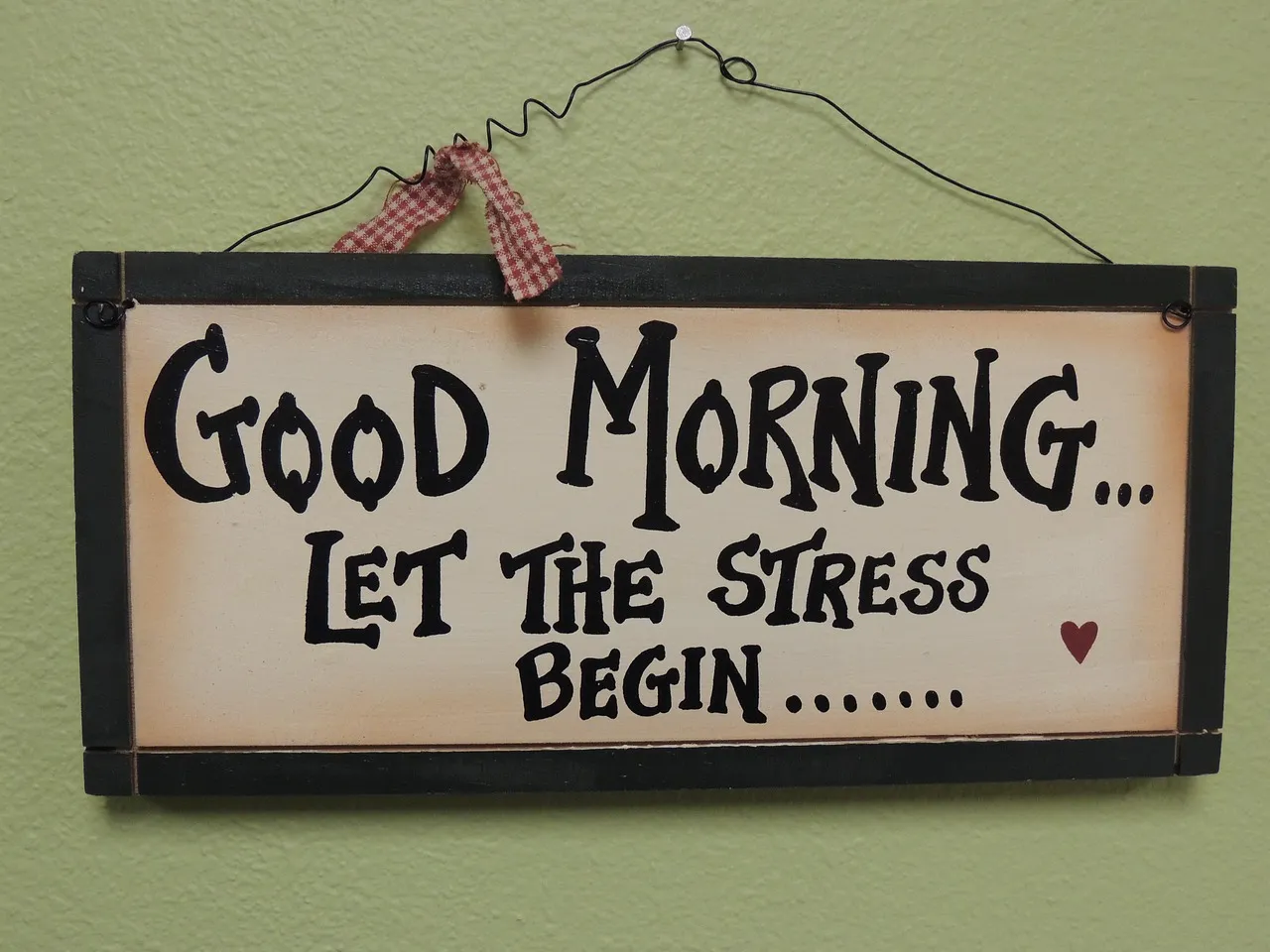
A good morning motivational message is a brief, personal affirmation or reminder you give yourself each day to set a positive tone and build confidence before your day begins. Whether spoken aloud, written in a journal, or simply reflected on while having coffee, these messages work by anchoring your mindset in what matters to you, helping you move through challenges with clarity and purpose rather than anxiety or habit.
What Makes a Good Morning Motivational Message Effective
Not all morning messages land the same way. The most effective ones share specific qualities that separate a genuine motivational boost from empty cheerleading.
The message needs to feel true to your life. Something that resonates with someone training for a marathon won't resonate with someone navigating a career transition. This is why generic motivational quotes often fall flat—they don't speak to your specific challenges or values.
Specificity matters more than energy. "I'm going to crush today" feels hollow to most people. "I'm prepared for this presentation, and I'll listen more than I talk" connects to real preparation and intention.
Good morning motivational messages also tend to be short enough to remember and repeat without effort. If you need to read a paragraph-long affirmation each morning, it becomes a chore rather than a practice. Aim for 1-3 sentences.
Finally, the best messages acknowledge reality rather than ignore it. "Today will be challenging, and I have what I need to move through it" feels more honest than "Today will be perfect and easy."
How to Create Your Own Good Morning Motivational Message
Building a message that actually works for you is simpler than you might think. You don't need inspiration to strike or wait for the perfect phrasing to arrive.
Start by identifying what you actually need to hear:
- What's weighing on you right now? (A difficult conversation, uncertain outcome, repeated pattern you want to break)
- What do you know about yourself that you forget in moments of doubt?
- What value or quality do you want to lead with today?
Then craft your message in these steps:
- Write one sentence that names your intention or value. ("I'm showing up for myself today" or "I'm choosing calm over reaction.")
- Add one sentence about what you already have access to. ("I've prepared for this" or "I know how to ask for help when I need it.")
- Read it aloud. If it feels awkward or unlike how you speak, revise it. Authenticity matters more than poetry.
Some people prefer to build a small collection of messages and rotate them throughout the week, so each day has a slightly different focus. Others stick with the same message for a month. Experiment and let your routine evolve.
Best Times and Ways to Use Morning Messages
The timing and delivery method make a real difference in whether your message sticks.
The obvious moment is right when you wake up, before you check your phone. This is when your mind is clearest and least defended. Even two minutes of sitting with your message before the day's noise begins will set a different tone.
Some people write their message the night before and place it somewhere they'll see it first thing. A note on the bathroom mirror, the coffee maker, or your phone lock screen works well. The visual reminder bridges sleep and waking life.
Saying it aloud, even quietly, anchors it differently than reading it silently. There's something about hearing your own voice that makes the words feel less abstract and more like a commitment you're making to yourself.
Others integrate their message into an existing morning habit—after the first sip of coffee, during a shower, on a walk, or while getting ready. Attaching it to something you already do removes the friction of building a new habit.
Journaling your message works too. Writing it by hand engages a different part of your brain than reading or speaking. Some people write the message once, then spend a few minutes writing what that message means to them today or why they chose it.
Real-Life Examples and Scenarios
Different seasons of life call for different messages. Here are some honest examples of what people actually use:
Someone navigating a job search: "I'm taking this one step at a time. Today is about what I can control, not the waiting." This acknowledges the uncertainty without being toxic-positive about it.
A parent on an exhausting morning: "My kids are watching how I handle this. I want to show them patience." This reframes the struggle through a deeper value rather than fighting the exhaustion away.
Someone recovering from a setback: "This didn't go as planned, and I'm still here. That's what matters." Acceptance paired with resilience, not overcorrection.
Someone with social anxiety before a social event: "I don't have to be perfect. I just have to be present." Permission and action combined.
Someone starting a new routine: "I'm building something. Day one of many. Today is exactly enough." Building identity as someone who follows through, not motivation based on perfection.
Notice that none of these deny difficulty or pretend the day will be easy. They all acknowledge what's real while pointing toward what matters.
Building a Daily Morning Motivation Ritual
A ritual is just a habit with intention. It doesn't require much time, but it does require showing up consistently.
Start small: Two minutes is enough. More is fine, but consistency beats length. Five minutes of daily practice creates more change than thirty minutes once a week.
Anchor it to something already automatic: Attach your message to your coffee, your shower, your commute, or your first moment of quiet. The existing habit carries the new one along.
Create friction against skipping: Write your message somewhere visible. Set a phone reminder if helpful. Tell someone you're doing it, so there's gentle accountability.
Notice what shifts over a few weeks: You're not looking for dramatic transformation. Notice smaller things: You hesitate slightly less before speaking in a meeting. You catch yourself in a spiral of worry and gently redirect. You feel slightly more like you're choosing your day rather than reacting to it.
Adjust as you go: If your message starts to feel stale, refresh it. If the time you chose doesn't work, move it. A ritual that fits your actual life beats a "perfect" ritual you abandon.
Overcoming Common Morning Obstacles
The most common barrier isn't laziness—it's the chaos of actually waking up.
You're too rushed: Move your message time earlier, even by five minutes. Or do it in the shower, in the car, wherever you have a moment. It doesn't need a special quiet space to work.
You feel silly or self-conscious: This is normal, especially at first. You're not used to being intentional with yourself. Do it anyway, even feeling awkward. The awkwardness fades. What doesn't fade is the difference it makes.
You forget: A phone reminder with a label like "Before anything else" works. Or a written note in a place you can't miss. A ritual is only powerful if you actually do it.
Your message feels forced or inauthentic: Revise it. The best message is the one that makes you nod slightly when you say it, not the one that's most poetic. Authenticity matters more than perfection.
Some mornings feel worse than others: This is real. On hard mornings, your message might feel especially important—or it might feel useless. Both are okay. The practice isn't about feeling good every single day. It's about remembering what you know about yourself.
Extending Your Morning Motivation Throughout the Day
A message you say at 6 a.m. can fade by noon if you don't reinforce it.
Quick integration points throughout your day:
- Before lunch, pause and remember what you set for yourself. Did that show up in your morning decisions?
- If you're heading into a difficult meeting or conversation, remind yourself of your message. Let it anchor your approach.
- If you're spiraling into anxiety or doubt, ask: "What did I commit to this morning?" This brings you back to center.
- Before you leave work, notice one moment where your intention showed up, even small.
Some people take a quick photo of their written message and use it as their phone wallpaper for the day. Others keep a notebook and jot down whether their intention showed up in real decisions. The point is connection, not perfection.
Your morning message isn't meant to prevent hard moments—it's meant to give you a framework for moving through them with your values intact.
Why Consistency Matters More Than Perfection
The transformation from morning motivation work comes from repetition, not from having the perfect message or the perfect delivery.
You're essentially training your brain to start the day from a place of intention rather than default reaction. This takes time. It also feels small and subtle, not dramatic.
After a few weeks of consistency, you'll notice you catch yourself before spiraling as quickly. After a couple of months, people around you might notice you respond differently in stress. After longer, you realize you've actually built a different relationship with your own mind—one where you're making choices rather than just reacting.
This is why showing up matters more than having the best message. Imperfect consistency beats perfect occasionally.
FAQs About Good Morning Motivational Messages
Is it okay if I don't feel the message immediately? Will it still work?
Yes, it still works. A motivational message isn't about instant emotional transformation. It's about planting intention. You might not feel the shift in that moment, but throughout the day, your subconscious has a different anchor point. Trust the process even when you don't feel an immediate buzz.
What if my message feels too small or simple?
That's actually ideal. "I'm doing my best" sounds simple, but it gives your brain permission to stop chasing perfection. Simple messages are easier to remember, easier to believe, and easier to actually use when things get hard.
Can I use the same message for months, or should I switch it up?
Both work. Some people find that staying with one message lets it deepen over time. Others prefer rotating a few messages so they feel fresh. Pay attention to what feels sustainable for you. If you're getting bored, switch it. If it still lands, keep it.
What if my mornings are chaotic with kids, work, or other demands?
You don't need pristine silence. Many people practice their morning motivation while making breakfast, in the shower, or during the first few minutes of driving. A few seconds of intention is better than waiting for perfect conditions that never arrive.
Will morning motivational messages help with anxiety or depression?
Morning messages can be part of a larger approach to wellness, but they're not a substitute for professional support if you're struggling significantly. They work best as a practice to build resilience and awareness, not as a replacement for therapy or medical care when needed.
How do I know if I'm doing this right?
You're doing it right if you're actually doing it consistently. There's no "right way" beyond that. The proof is in the practice, not in how it feels on day one or even week one. Notice subtle shifts in how you move through your day, not dramatic overnight changes.
What if I miss days?
You're human. Missing days doesn't erase your practice. The goal isn't a perfect streak—it's building a sustainable habit. If you miss a few days, you just start again the next morning. The fact that you want to restart shows the practice is working.
Can I share my morning message with other people?
You absolutely can. Some people find that saying their message out loud to a partner or friend deepens it. Others prefer keeping it private because it feels more internal and personal. Do what feels right for you. There's no rule here.
Stay Inspired
Get a daily dose of positivity delivered to your inbox.