Good Morning Have a Bless Day
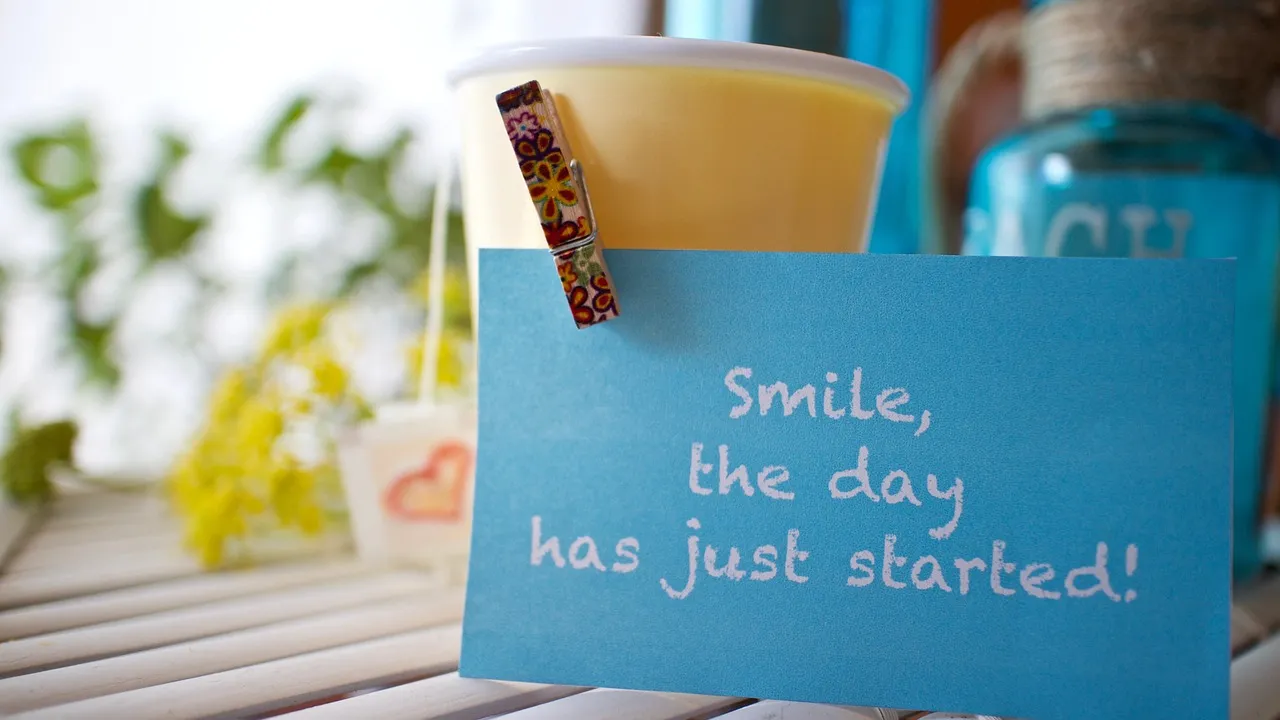
Saying "good morning, have a blessed day" is more than a casual greeting—it's an intentional practice of setting a positive tone for your day and inviting meaning into your ordinary moments. When you approach each morning with a blessing mindset, you shift from reactive living to purposeful living, creating space for joy, connection, and resilience no matter what challenges arise.
What It Really Means to Have a Blessed Day
A blessed day isn't about perfection or everything going smoothly. It's about recognizing the good that's already present and staying open to unexpected gifts, small moments of grace, and meaningful connections. Blessings show up in many forms: a conversation that lifts you, work that feels purposeful, a quiet moment of beauty, or simply making it through a difficult time with your integrity intact.
Having a blessed day means you're aware. You notice. You appreciate. When you greet someone with this intention—or offer it to yourself in the mirror—you're essentially saying: "May you find what matters today. May you be present for the good parts. May you be gentle with yourself through the hard parts."
This practice works because it reorients your attention. Your brain naturally seeks evidence for what you've decided matters. When you start your day expecting blessings, you're more likely to notice them.
The Power of Morning Intentions and a Blessed Day Mindset
Your first hour sets the tone for everything that follows. Neuroscience shows us that the state you're in when you wake—rushed or calm, grateful or resentful, purposeful or adrift—influences your emotional resilience throughout the day. A good morning blessing acts as an anchor.
When you deliberately set an intention like "have a blessed day," you're:
- Activating your parasympathetic nervous system (the calming system) before stress builds
- Directing your attention toward possibility rather than threat
- Creating a narrative that you're in partnership with something larger than your to-do list
- Giving yourself permission to define success as more than productivity
The difference between starting your day scrolling through your phone versus starting with an intentional blessing is the difference between being pulled in a hundred directions and choosing one that matters to you.
Creating Your Personal Morning Blessing Ritual
You don't need a complex routine. Some of the most powerful practices are the simplest ones. Here's how to build a ritual that actually sticks:
Step 1: Choose Your Time and Place
- Pick a specific time—even if it's just five minutes before you get out of bed
- Find a spot where you can be slightly undisturbed (your kitchen, a corner of your bedroom, a patio step)
- Consistency matters more than duration
Step 2: Ground Yourself in Your Body
- Sit upright (or lie in bed—no judgment)
- Take three deep breaths, feeling your feet or back against the surface beneath you
- Notice what your body feels like right now, without trying to change it
Step 3: Speak or Think Your Blessing
- Say aloud or silently: "Good morning. May I have a blessed day" or use language that resonates with you
- You might add: "May I be kind to myself. May I notice the good. May I help where I can."
- Use the exact words that feel true to you, not words that sound nice
Step 4: Visualize or Feel (Optional)
- Picture one good thing that might happen, or simply imagine yourself moving through the day with ease
- Feel the gratitude in your chest, even if it's small
- This takes 30 seconds. It doesn't need to be elaborate
That's it. Five to ten minutes total. Do this before checking your phone, and you've already rewired how you approach the day.
Gratitude Practices That Deepen Your Blessing Practice
Gratitude and blessings go hand in hand. Gratitude is noticing what's already good. Blessings are inviting more good in. Together, they create an upward spiral.
The Three-Things Practice
Before your feet hit the floor, mentally name three things you're grateful for—however small. Your pillow. Your breath. Someone waiting for you. This primes your brain to see abundance rather than scarcity.
The Sensory Blessing
As you move through your morning, pause and bless one thing per sense:
- Something you see (light through a window, a plant, your own hands)
- Something you hear (birds, music, silence)
- Something you touch (warm water, your clothes, a pet)
- Something you taste (coffee, water, toast)
These aren't big moments. They're woven into what you're already doing. This trains your mind to extract blessing from the ordinary.
The Blessing Extension
Before you leave your home, pause and mentally offer a blessing to someone: "May they have a good day. May they feel supported. May something good come their way." You're not blessing them from a place of superiority—you're acknowledging that their day matters as much as yours. This shift in perspective is profoundly grounding.
How to Carry Blessings Throughout Your Day
Your morning ritual is the foundation, but the real work is remembering it when you're in the middle of everything else.
Set Gentle Reminders
- A phone notification at a specific time (11 a.m., lunch, 3 p.m.) that just says "Blessed"
- A sticky note on your bathroom mirror or computer
- A word or phrase you've designated as your shorthand for returning to blessing
Create Transition Moments
Between meetings, before opening a difficult email, when you arrive home—pause for one conscious breath and reconnect with your intention. "I'm having a blessed day" doesn't mean nothing hard is happening. It means you're choosing to move through it with presence and grace.
Practice Blessing Others
When someone frustrates you, when you see someone struggling, when a colleague does something kind—silently offer them a blessing. This keeps you in the mindset of abundance rather than scarcity, and it softens the edges of difficult interactions.
Overcoming Common Obstacles to Your Morning Practice
Let's be real: mornings are hard. You're tired. You're rushed. Your brain doesn't want to slow down.
When You Forget
You don't need to start over. You can bless yourself at any point in the day. 2 p.m. counts. Evening counts. There's no deadline for deciding today is blessed.
When It Feels Forced
If the words don't land, try a different approach. Some people light a candle. Some look at something beautiful. Some move their body. Find what actually feels true to you, not what sounds spiritual.
When Your Morning Is Chaotic
You can bless yourself in the car, in the shower, in 20 seconds before work starts. The practice adapts. Short is better than perfect.
When You Feel Resistant
Resistance often means you need the practice more, not less. That's when it matters to be gentle with yourself and do the smallest possible version. One breath. One sentence. That's enough.
Building a Sustainable Daily Practice
The goal isn't to become someone who never struggles or always feels positive. It's to become someone who meets each day with intention, even when it's hard.
Start Absurdly Small
If you try to add a 30-minute meditation practice and you've never meditated, you'll quit. Instead, commit to one sentence: "Good morning, have a blessed day." One sentence, every morning, for 30 days. Then decide what's next.
Connect It to Something You Already Do
Practice while you're making coffee. While you're brushing your teeth. While you're standing at the bus stop. Don't add new time—layer it into existing time.
Track It Visually (Optional)
Some people use a calendar and put a check mark for each day they complete their blessing ritual. This isn't about perfectionism—it's about noticing the pattern you're building. Missing a day is normal. What matters is returning to it.
Expect Your Practice to Change
What works in January might not work in July. You might need different words in spring versus winter. You might move from spoken blessings to written ones. Your practice evolves as you do. That's not failure—that's deepening.
Real Stories: How Others Practice a Blessed Day
Maria, a teacher: Before she gets out of bed, she names three things she's grateful for and sets one intention. "Today I will listen more than I talk" or "Today I will find one thing funny." This one practice changed how she experiences classroom chaos. She's not trying to control everything—she's just showing up with a direction.
James, a recovering perfectionist: His morning blessing is deliberately messy and imperfect. He walks to his kitchen, pours water, and says out loud: "Good morning. I'm doing my best, and that's enough." He used to need everything optimized. Now he's learning that "blessed day" sometimes means "day where I'm learning to be easier on myself."
Keisha, a mother of three: She practiced blessings in 30-second pockets—while coffee was brewing, while kids were finding shoes. She realized she didn't need one perfect moment. "Blessed day" became her default response to chaos. When her toddler spilled juice, instead of spiraling, she thought: "Okay, blessed day means I clean this up and we move forward." It sounds simple, but it changed everything about her stress levels.
Frequently Asked Questions
What if I don't have a spiritual or religious belief system? Does this practice still work?
Yes. "Blessed day" can simply mean "good day" or "meaningful day." You're not invoking anything external—you're choosing your own mindset. Replace "blessed" with "present" or "kind" or "resilient" if those words feel more honest. The practice works because you're intentionally directing your attention, not because of the specific words.
How long does it take to notice a difference?
Some people notice a shift after one day. Most people notice something after two weeks of consistent practice. But here's the important part: you don't practice to get a reward. You practice because the practice itself is the point. Blessings are their own benefit.
What if I have a genuinely difficult day? Does blessing myself feel inauthentic?
A blessed day doesn't mean nothing goes wrong. It means you're moving through difficulty with intention. On hard days, your blessing might simply be: "This is hard, and I'm still here." That's honest. That's real. That's blessed.
Can I practice this blessing ritual with others—like family or friends?
Absolutely. Some families start breakfast with a shared blessing. Some friends text each other "blessed day" every morning. It deepens connection and creates accountability. But it also works perfectly as a solo practice. Both are valid.
What if I wake up in a terrible mood? Should I push the blessing practice?
No forcing. You might say: "I don't feel blessed right now, and that's okay" and then do the practice anyway. Often, the act of setting the intention gently shifts your mood. But if you're genuinely suffering, meet yourself where you are. The practice is there for you when you're ready.
How do I teach my kids to practice blessing themselves?
Keep it age-appropriate and let them lead. You might say: "What's one good thing you hope happens today?" or "Is there someone you want to be kind to?" You're not installing gratitude or spirituality—you're modeling how to think intentionally. Kids pick up the practice by watching you do it.
Does this practice get boring after a while?
It can. That's when you refresh it. Try different words. Add visualization. Practice outside. Write your blessings instead of saying them. The framework stays the same; the details shift. Boredom is often an invitation to deepen, not a sign to quit.
What's the difference between a blessing and positive thinking?
Positive thinking says: "Everything will be great!" Blessing says: "I'm meeting today with openness and intention, whatever comes." Positive thinking denies difficulty. Blessing acknowledges reality while inviting grace. One is about forcing; one is about allowing.
Stay Inspired
Get a daily dose of positivity delivered to your inbox.