Open Mindfulness
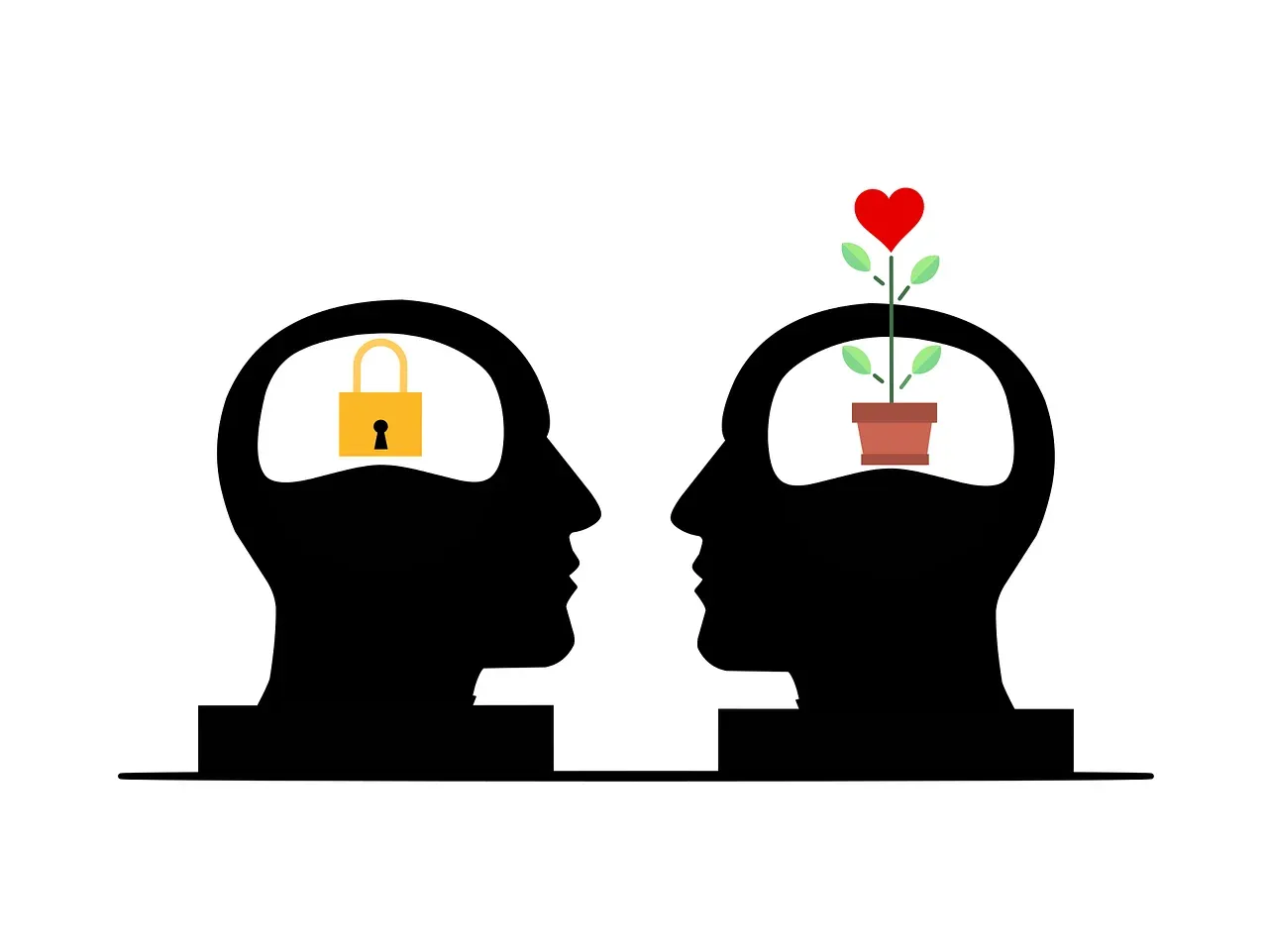
Open mindfulness is the practice of meeting each moment with curiosity and acceptance rather than judgment or resistance. It's about creating space in your mind to observe thoughts, feelings, and sensations as they arise, without trying to fix, change, or escape them. This approach to awareness transforms how you relate to your life, reducing suffering and deepening your capacity to respond—rather than react—to whatever unfolds.
What Is Open Mindfulness and Why It Differs From Other Practices
Open mindfulness sits at the intersection of traditional meditation and contemporary psychology. Unlike focused mindfulness, which trains attention on a single point (like your breath), open mindfulness invites your awareness to remain spacious and receptive. You're not concentrating; you're allowing.
Think of focused meditation like a spotlight that illuminates one area. Open mindfulness is more like flipping on all the lights in a room and simply noticing what's there. This receptive quality makes it accessible for people who struggle with concentration or find rigid techniques frustrating.
The practice draws from Buddhist traditions, particularly the Dzogchen and Mahamudra teachings, where awareness itself is the primary object of meditation. Modern adaptations by researchers and teachers have made these ancient insights practical for everyday use. You don't need to adopt any beliefs or change your spiritual orientation to benefit from open mindfulness.
The Five Core Principles of Open Mindfulness
Understanding these foundational principles helps you recognize what you're cultivating:
- Receptivity: You're not reaching for anything or pushing anything away. You're simply here.
- Non-judgment: Thoughts, emotions, and sensations are neither good nor bad. They're just happening.
- Spaciousness: Instead of identifying with your thoughts, you notice them within a wider awareness, like clouds moving through sky.
- Continuity: Awareness itself doesn't come and go. Your experience of it may shift, but the capacity to be aware persists.
- Kindness: This practice develops self-compassion naturally, without you trying to force it.
These principles work together. Receptivity without non-judgment becomes preference-making. Spaciousness without continuity becomes dissociation. When all five are present, the practice becomes self-sustaining.
Why Open Mindfulness Matters for Daily Life
The constant demand for productivity and optimization creates an underlying resistance in many people. We're always trying to improve, fix, or escape something. Open mindfulness offers a different pathway: acceptance as the foundation for genuine change.
When you stop fighting against your anxious thoughts, they lose their grip. When you allow sadness without judgment, it moves through you rather than getting stuck. This isn't passivity—it's the opposite. By accepting what is, you gain clarity to act skillfully rather than react habitually.
Research-backed benefits include reduced stress reactivity, improved emotional regulation, and stronger interpersonal connections. More importantly, practitioners report a fundamental shift in how they experience being alive. Life feels less like a problem to solve and more like a process to participate in.
Beginner Practices: Starting Your Open Mindfulness Journey
You don't need years of meditation experience to begin. These foundational practices work immediately:
The 5-Minute Open Awareness Sit:
- Find a comfortable position—sitting, lying down, or even standing. You're not seeking a particular posture; comfort matters more than tradition.
- Let your eyes close or lower softly. Take three intentional breaths without controlling them, just noticing.
- Release any agenda. You're not trying to achieve a state of calm or blankness.
- Notice whatever is most present: sounds, bodily sensations, thoughts, emotions. Don't organize them; just acknowledge them.
- When you notice you've become absorbed in thinking, gently return to open awareness. There's no failure here—returning is the practice.
- End naturally after 5 minutes, without rushing.
Informal Open Mindfulness: This is perhaps the most accessible entry point. While waiting for coffee, walking to your car, or eating lunch, simply shift into openness. What do you notice when you're not in goal mode? What's happening right now, without narrative?
The Body Scan Without Fixing: Unlike traditional body scans that aim to release tension, simply bring awareness through your body and notice sensations without trying to change them. This develops the non-judgment principle quickly.
Moving Into Deeper Practice
As open mindfulness becomes more familiar, you can explore subtler dimensions of the practice.
Awareness of Awareness: This advanced technique involves noticing the awareness in which all experience occurs. Instead of focusing on thoughts or sensations, you notice the capacity to know them. This shift is subtle but profound, often catalyzing significant clarity.
Working With Resistance: When you encounter uncomfortable thoughts or emotions, open mindfulness invites you to get curious about the resistance itself. What happens if you stop resisting the anxiety? Not to amplify it, but to meet it with the same spacious awareness. Paradoxically, this often releases tension faster than any forcing technique.
Interbeing Meditation: As your practice stabilizes, notice how your awareness isn't actually separate from what you're aware of. The boundary between self and world softens. This isn't mystical; it's simply what happens when judgment and resistance relax. You experience the interconnected nature of existence directly.
Extending Practice Beyond the Meditation Cushion: The real integration happens in daily life. Can you bring this openness to difficult conversations, boring tasks, or moments of frustration? This is where open mindfulness becomes transformative.
Open Mindfulness in Relationships and Work
Open mindfulness fundamentally improves how you show up with others. When you're not defending against your own difficult emotions, you can hear people more genuinely. When you're not trying to change them, they often relax and become more authentic.
In relationships: Practice listening without planning your response. Hold space for someone's experience without fixing it. Notice when judgment arises—toward them or yourself—and simply allow it to exist without acting on it. This creates safety that deepens connection.
In work: Bring open awareness to meetings, difficult tasks, and interactions. Rather than leading with anxiety about outcomes, notice what's happening right now. Often, this clarity generates better decisions. You become less reactive to feedback and more responsive to opportunities.
With conflict: Open mindfulness doesn't mean avoiding necessary conversations. It means approaching them from a place of curiosity rather than defensiveness. You can address problems while remaining genuinely open to the other person's perspective.
Overcoming Common Obstacles
Restlessness or boredom: If sitting feels unbearable, you're probably trying too hard. Open mindfulness isn't about forcing stillness. Try shorter sessions or practice while moving (walking meditation, for example). Restlessness itself is valid data about your nervous system.
Falling asleep: This happens, especially if you're sleep-deprived. Sit upright, practice earlier in the day, or acknowledge that your body might need rest more than meditation. There's no shame in this.
Thinking you're doing it wrong: This is the most common obstacle. There's no "right" experience in open mindfulness. Lots of thoughts? Perfect. Feeling distracted? You're right on track. The practice isn't about achieving a state; it's about being present to whatever is happening.
Nothing feels different: Changes often happen subtly—you're less reactive in an argument, you notice anxiety sooner, you sleep better. Sometimes you won't feel effects immediately. Consistency matters more than intensity.
Difficulty maintaining consistency: Practice at the same time each day, even for 3 minutes. Attach it to an existing habit (after morning coffee, before bed). Find accountability or a practice community. Small consistency compounds over weeks into noticeable shifts.
Integrating Open Mindfulness Into Your Daily Routine
The goal of open mindfulness isn't to meditate perfectly once a day. It's to carry this quality of openness throughout your life.
Morning integration: Before checking your phone, sit for 3–5 minutes in open awareness. This sets your nervous system differently, making you less reactive throughout the day.
Transition moments: Use gaps between activities (walking between rooms, waiting at red lights, standing in line) as informal practice. These micro-meditations accumulate.
Difficult moments: When you feel triggered, stressed, or overwhelmed, pause and return to open awareness. Just three conscious breaths can reset your entire nervous system.
Evening reflection: Before sleep, review your day without judgment. Did you meet moments with openness? Where did you contract? This gentle inquiry deepens the practice without blame.
Creating a practice space: You don't need a fancy altar or quiet room. A cushion in a corner, a chair by a window—a simple designated spot conditions your mind to settle more easily. Your environment supports your practice.
How Open Mindfulness Deepens Personal Growth
Open mindfulness creates the conditions for genuine transformation because it removes the interference of resistance. When you stop fighting your experience, you can learn from it. Difficult emotions become teachers rather than problems.
Over time, practitioners report shifts in identity. You realize you're not your thoughts, not your anxiety, not your habits. You're the awareness in which all these things arise and pass. This recognition alone changes how you respond to life's challenges.
This isn't about becoming a different person. It's about recognizing more of who you already are. Your capacity for presence, compassion, and clarity has always been here. Open mindfulness simply reveals it.
Frequently Asked Questions About Open Mindfulness
How is open mindfulness different from "just relaxing"?
Relaxation is the goal of some practices; open mindfulness has no goal. That said, relaxation often naturally occurs because you stop fighting against your experience. The difference is subtle but important: you're cultivating awareness, not chasing a feeling.
Do I need to believe in anything to practice open mindfulness?
No beliefs required. It's not a philosophy or religion—it's a practical technique for training attention and awareness. Secular practitioners, spiritual seekers, and skeptics all benefit.
What if my mind is "too busy" for meditation?
A busy mind is actually an ideal condition for this practice. Open mindfulness isn't about quieting your mind; it's about noticing the activity without judgment. Your "noisy" mind is already the practice unfolding.
How long before I notice changes?
Some people feel shift in their first session; others take weeks. Most notice gradual changes—more patience, fewer anxiety spirals, better sleep—after consistent practice for 2–4 weeks. Stick with it without expectations.
Can I practice open mindfulness while doing other things (walking, eating, working)?
Absolutely. Informal practice is often where the deepest integration happens. Walking meditation, mindful eating, and bringing openness to work are all part of the path.
What if I have anxiety or trauma?
Open mindfulness can support wellbeing, but it's not a replacement for professional care. If you have clinical anxiety, PTSD, or trauma, work with a therapist alongside any meditation practice. A qualified teacher experienced with trauma-sensitive practice is valuable.
Do I need a teacher?
You can begin alone using these instructions. A teacher accelerates learning and helps navigate obstacles. Whether you work with a teacher depends on your preference and what arises in your practice.
What's the relationship between open mindfulness and self-improvement?
Open mindfulness isn't self-improvement. It's meeting yourself as you are. Paradoxically, when you stop trying to fix yourself, genuine change unfolds naturally. You act from clarity rather than compulsion.
Open mindfulness offers a different way forward—not through forcing change, but through the transformative power of genuine acceptance. Each moment you practice, you're strengthening your capacity to be present, to respond rather than react, and to experience life more fully. Start where you are, with even five minutes, and let the practice unfold from there.
Stay Inspired
Get a daily dose of positivity delivered to your inbox.