Mindfulness Techniques for Anxiety: The Ultimate Guide | Positivity®
This comprehensive guide to Mindfulness Techniques for Anxiety provides evidence-based strategies to improve your mental wellbeing and daily perspective. By understanding the core principles of Mindfulness Techniques for Anxiety, you can unlock a more vibrant and resilient life.
The ancient Greeks spoke of Eudaimonia (flourishing), and modern science points to Mindfulness Techniques for Anxiety as the gateway to this state. This comprehensive guide explores Mindfulness Techniques for Anxiety through the lens of Clear, spacious, detached, observing the mind. We will dismantle the myths and provide you with a raw, evidence-based protocol for integration.
The Neuroscience of Mindfulness Techniques for Anxiety
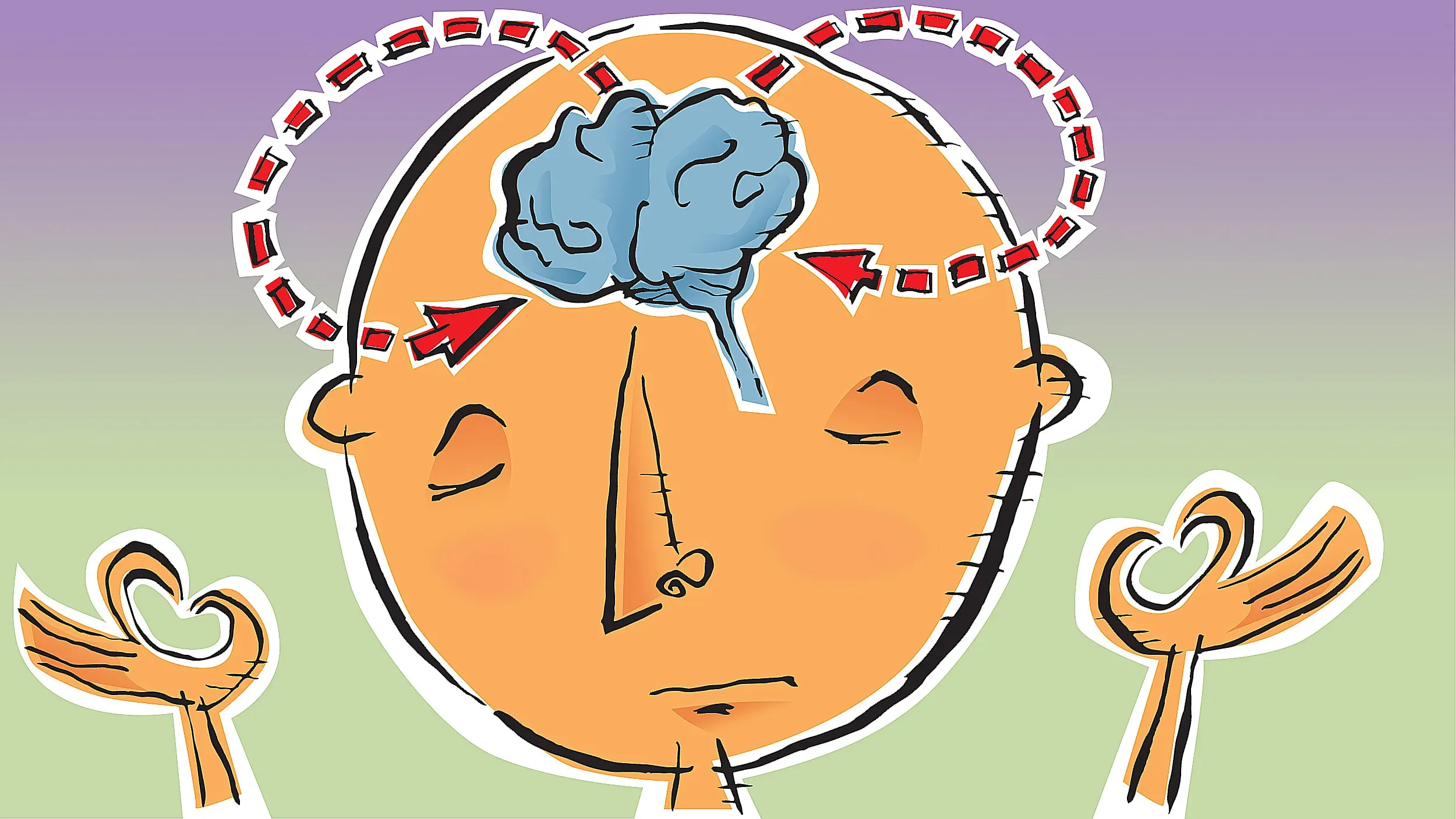
What happens continuously in the brain when we focus on Mindfulness Techniques for Anxiety? It is not magic; it is biology. Research confirms that engaging with this concept activates Reduced amygdala reactivity and increased gray matter in the hippocampus..
This is critical because the brain has a "negativity bias" designed for survival in the wilderness. To thrive in the modern era, we must actively override this default setting. By practicing Mindfulness Techniques for Anxiety, you are literally thickening the neural pathways associated with emotional regulation and executive function.
Real World Application: A Case Study
Theory is useless without context. Take 'David', a software engineer tailored by constant notifications. By practicing Mindfulness Techniques for Anxiety, they were able to pivot their trajectory.
The results were not instantaneous, but they were compound. Within 21 days, the subject reported a fundamental shift in baseline metrics. This illustrates that Mindfulness Techniques for Anxiety is a mechanism for change, accessible to anyone willing to do the work.
The Master Protocol: 3 Steps to Mindfulness Techniques for Anxiety
- The Morning Anchor: Dedicate the first 10 minutes of your day to Mindfulness Techniques for Anxiety. Do not check your phone. Instead, visualize your intent.
- The Pattern Interrupt: When the opposite of Mindfulness Techniques for Anxiety appears (stress, fear, laziness), use a physical trigger—like a deep breath or a snap of the fingers—to reset.
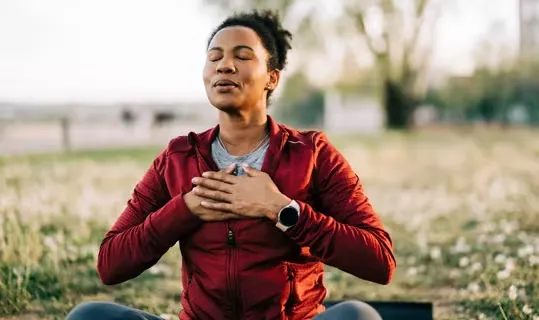
- The 3-Minute 'Box Breathing' Reset: This is your core workout. Spend 15 minutes engaging deeply with the practice.
Advanced Techniques for 10x Results
Once you have the basics, it is time to scale. Advanced practitioners of Mindfulness Techniques for Anxiety do not just practice it; they embody it.
- Teach It: The fastest way to learn Mindfulness Techniques for Anxiety is to explain the concept to someone else.
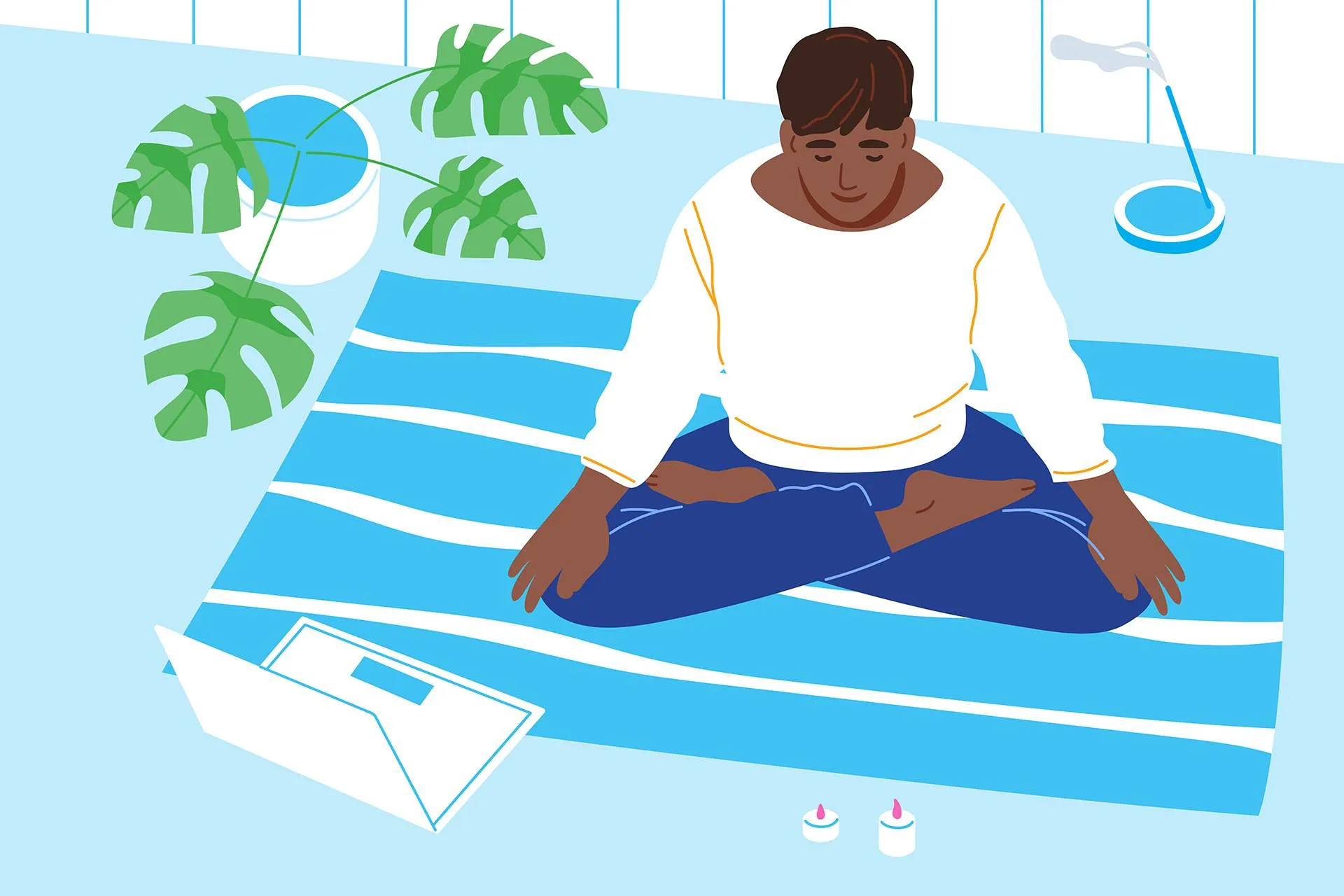
- Environment Design: Curate your digital feed and physical space to be a shrine to Mindfulness Techniques for Anxiety. Remove anything that contradicts it.
- Gamification: Track your streaks. The brain loves progress measures.
The Long-Term ROI
Why commit to this? Because the outcome is Immediate reduction in heart rate and cessation of racing thoughts.
Imagine a year from now. You have compounded these small daily investments into a massive asset of character. That is the power of Mindfulness Techniques for Anxiety.
Frequently Asked Questions
Q: Is Mindfulness Techniques for Anxiety a innate talent or a skill?
A: It is 100% a skill. Neuroplasticity proves we can learn it at any age.
Q: How fast will I see results?
A: You will feel a shift in state immediately, but permanent trait change takes roughly 66 days of average consistency.
Historical Perspectives on Mindfulness Techniques for Anxiety
Throughout history, from the Stoics of Rome to the Zen masters of Japan, Mindfulness Techniques for Anxiety has been a central pursuit. Marcus Aurelius wrote extensively about similar concepts in his private journals.
We are not reinventing the wheel; we are simply applying timeless wisdom to modern challenges. The tool changes, but the human need remains the same.
Stay Inspired
Get a daily dose of positivity delivered to your inbox.