Meditation in Plain English
Meditation in plain English simply means training your mind to focus and finding moments of calm in your everyday life. You don't need a monastery, special clothing, or years of experience—just a few minutes, a quiet spot, and willingness to sit with your own thoughts.
Most people think meditation is about clearing your mind completely or reaching some mystical state. In reality, it's a practical skill that anyone can develop, like learning to cook or ride a bike. The benefits are real: reduced stress, better focus, more emotional resilience, and a genuine sense of peace that carries into your day.
If you've been curious but unsure where to start, this guide breaks down meditation in plain English terms, with practical steps you can begin today.
What Meditation Actually Is
Meditation is the practice of deliberately directing your attention to the present moment. You pick something to focus on—your breath, a sound, a sensation—and when your mind wanders (which it will), you gently bring it back.
That's it. No fancy techniques required.
Your mind is like a puppy learning to sit. It wanders constantly. Every time you notice it's wandered and bring it back to your chosen focus, you're strengthening that "muscle." Over time, focusing becomes easier and more natural.
The goal isn't to achieve some perfect state or silence your thoughts. It's to change your relationship with your thoughts. Instead of being swept away by every worry or distraction, you become the observer who notices what's happening and chooses where to place your attention.
Some people meditate for spiritual reasons. Others do it purely for the mental health benefits. Both approaches are valid. You choose what meditation means to you.
Why Meditation Matters for Your Daily Life
When you're stressed, your nervous system is in overdrive. Thoughts race. Your body tenses up. Meditation activates your parasympathetic nervous system—your body's natural "off switch"—which brings everything back into balance.
Regular meditators report clearer thinking, better emotional regulation, and a sense of groundedness that lasts throughout the day. You become less reactive to small frustrations and more able to respond with intention.
Beyond stress relief, meditation builds what researchers call "attentional capacity." You notice details more clearly. You listen better in conversations. You make fewer decisions you later regret because you're not operating on autopilot.
Perhaps most importantly for positivity: meditation creates space between you and your thoughts. You stop believing every worried thought or self-critical voice. You can observe "I'm thinking about my past mistake" instead of being consumed by shame about it. That shift alone changes everything.
Common Misconceptions That Keep People Away
Myth: Your mind has to be completely quiet. It won't be. Your mind's job is to think. Even experienced meditators have busy minds. The practice isn't about stopping thoughts; it's about not following them.
Myth: You're doing it wrong if you get distracted. Distraction is the entire practice. Noticing you've drifted and coming back is success. If your mind never wandered, you wouldn't need to meditate.
Myth: You need 45 minutes or it doesn't count. Five minutes of genuine focus is infinitely more valuable than 45 minutes of fighting with yourself. Start small. Build consistency. Quality over quantity.
Myth: You have to sit cross-legged in silence. You can sit in a chair, lie down, or walk slowly. You can meditate with gentle music, nature sounds, or guided instruction. Find what works for your body and preferences.
Myth: It's for anxious or spiritual people. It benefits anyone—CEOs, athletes, students, parents, people who are skeptical and people who are curious. There's no personality type requirement.
How to Start: Your First Week
The best meditation practice is the one you'll actually do. Here's a simple framework:
Step 1: Pick Your Time and Place
- Choose a time you'll genuinely protect—early morning, lunch break, or bedtime
- Find a place where you won't be interrupted (even a bathroom works)
- Consistency matters more than duration; five minutes every day beats 30 minutes once a week
Step 2: Get Comfortable
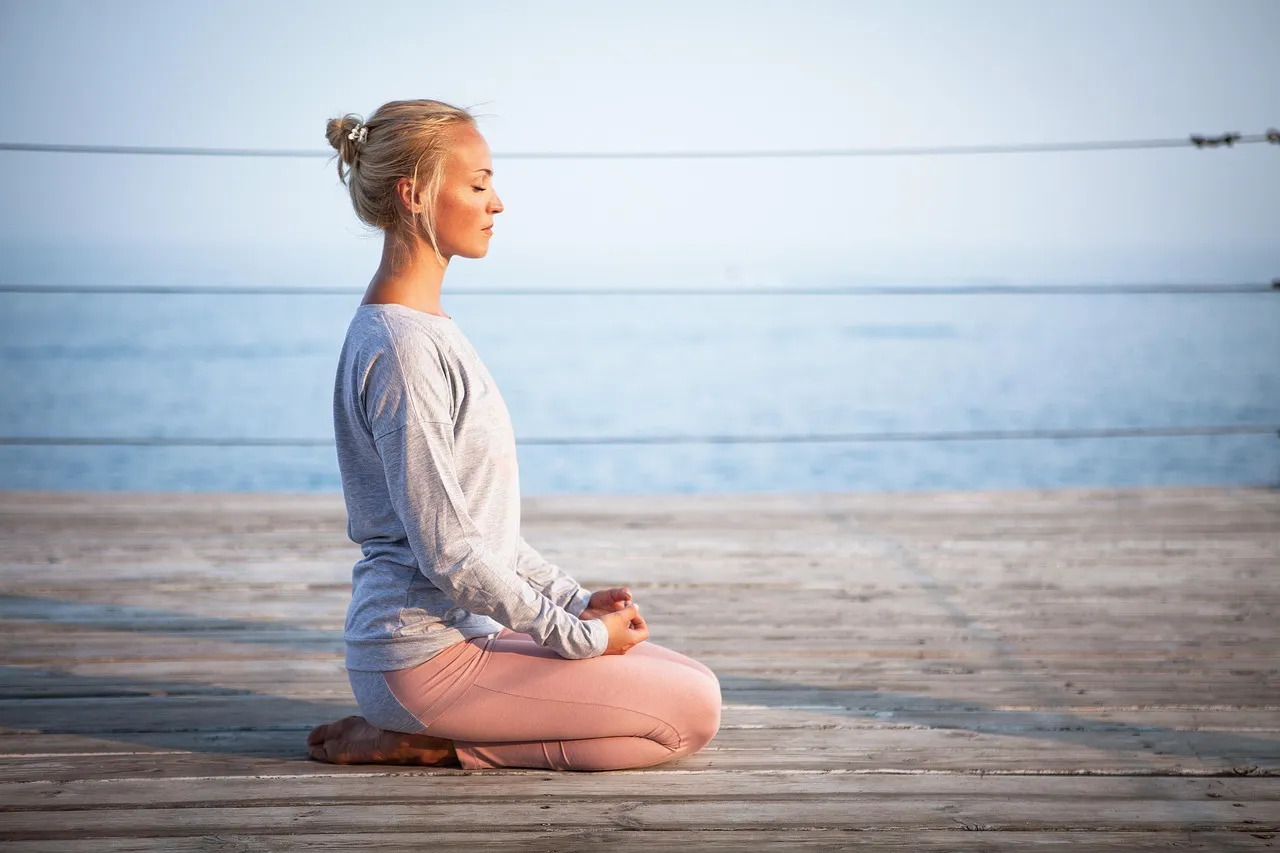
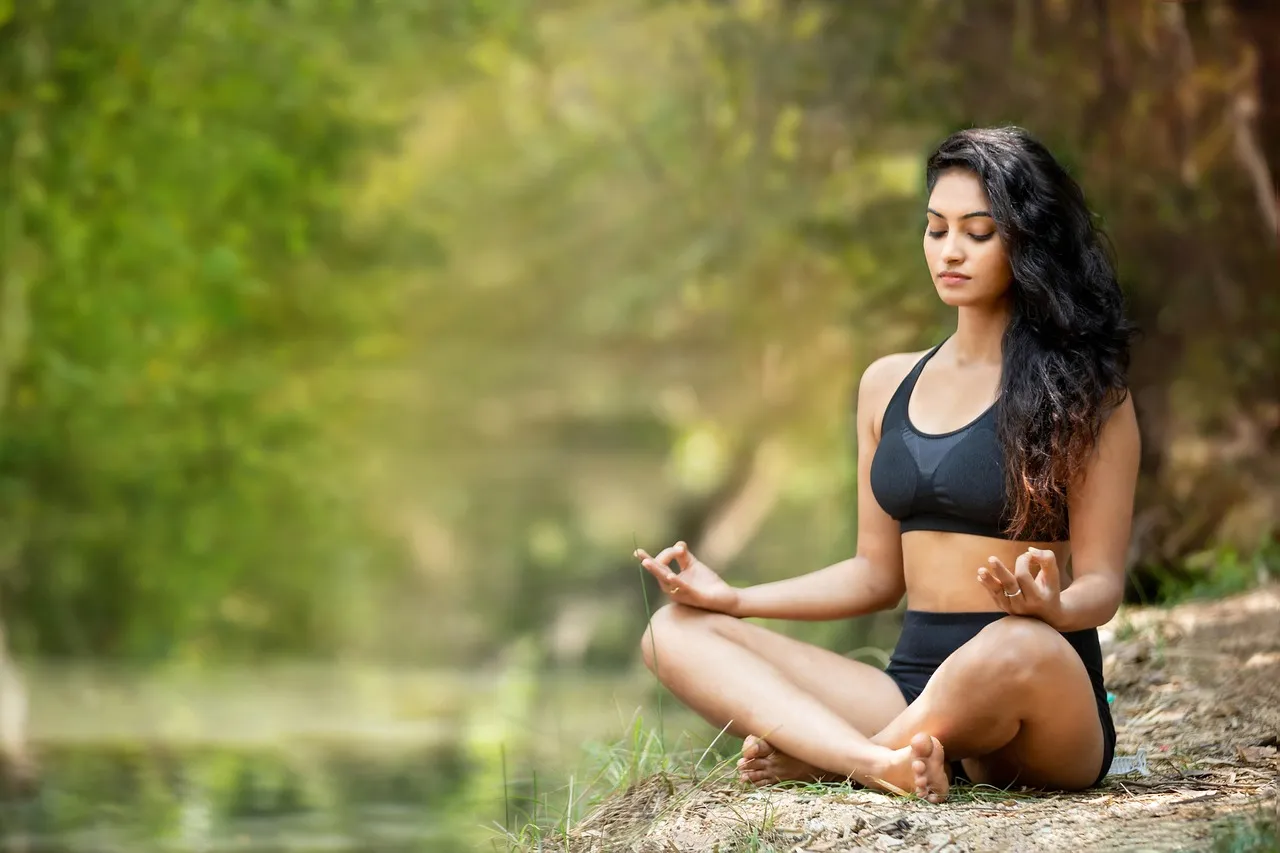
- Sit somewhere that supports your back—a chair is perfectly fine
- Let your hands rest in your lap or on your thighs
- Keep your eyes closed or softly gazing downward
- Wear whatever you'd normally wear; you don't need special clothes
Step 3: Choose Your Focus
- For beginners, breathing is ideal—it's always with you and naturally anchors attention
- Count breaths (inhale 1, exhale 2, up to 10, then start over) if your mind is very active
- Or simply notice the sensation of breath—cool air in, warm air out
Step 4: Practice for Just Five Minutes
- Set a gentle timer so you're not checking the clock
- When your mind wanders—and it will—notice it without judgment and return to your breath
- That's the whole practice
- When the timer goes off, gently open your eyes and notice how you feel
Step 5: Do It Again Tomorrow
Meditation doesn't accumulate in your body like exercise. You need regular practice for lasting benefits. Aim for at least five days a week, ideally every day.
Meditation Techniques You Can Use Today
Breath Awareness (Best for Beginners)
Close your eyes. Notice the natural rhythm of your breath—you don't change it, just observe it. Where do you feel the breath most clearly? Your nostrils? Your chest? Your belly? Rest your attention there. When your mind wanders, come back.
Body Scan (Best for Tension)
Lying down or sitting, bring attention to the top of your head. Notice any sensations—warmth, tingling, numbness, nothing. Don't try to change anything. Slowly move your attention down: forehead, eyes, nose, jaw, neck, shoulders, arms, hands, chest, belly, lower back, hips, thighs, knees, calves, feet. This takes 10-15 minutes and leaves most people deeply relaxed.
Walking Meditation (Best for Restless People)
Walk slowly—either in a room or outside. Feel each step: heel, ball, toe. Notice the ground beneath you. This is meditation in motion. You're still focusing and observing, just while moving.
Loving-Kindness (Best for Difficult Emotions)
Sit quietly and silently wish goodwill: "May I be peaceful. May I be healthy. May I be safe. May I be happy." Then extend this to someone you love, then someone neutral, then someone difficult. This naturally softens your heart and opens perspective.
Guided Meditation (Best for Busy Minds)
Use apps like Insight Timer, Calm, or Ten Percent Happier, or search YouTube. Having someone guide you gives your mind something to follow and helps prevent excessive wandering, especially when you're learning.
Making Meditation Part of Your Daily Routine
The biggest barrier to meditation isn't lack of skill—it's lack of consistency. Here's how to make it stick:
Anchor It to Something You Already Do
Meditate right after your morning coffee, before lunch, or immediately when you get home. Attaching it to an existing habit makes it automatic.
Start Absurdly Small
If 5 minutes feels like too much, start with 2 minutes. Seriously. A 2-minute daily practice is infinitely better than a 20-minute practice you never do.
Track Your Practice Visually
Mark a calendar each time you meditate. Seeing a chain of consecutive days creates positive momentum. You'll feel motivated to keep the streak going.
Expect the First Month to Feel Strange
You might feel restless, bored, or skeptical. That's normal. You're training a new skill. The results—actual changes in how you feel and respond to stress—typically emerge after 2-3 weeks of consistent practice.
Adjust When Life Gets Chaotic
If you miss a day, don't decide you've "failed." Just return the next day. If you're traveling or have a hectic schedule, shorten your practice to 2 minutes rather than abandoning it entirely.
What Happens as You Develop Your Practice
Week 1-2: Restlessness
Your mind feels busier. This doesn't mean meditation isn't working—it means you're finally noticing how active your mind actually is. That awareness itself is progress.
Week 2-3: Calm Emerges
Sessions start to feel quieter. You have moments of genuine peace. Even when your mind is active, you're less bothered by it. Small irritations during your day don't derail you as easily.
Week 3+: Integration
You notice changes outside of meditation. You catch yourself before reacting to frustration. You sleep better. Conversations feel more genuine because you're actually listening. You feel more yourself.
A Real Example
Sarah, a busy parent, started meditating for five minutes each morning before her kids woke up. The first week, her mind was spinning with her to-do list. By week three, she noticed she wasn't yelling at her kids over small spills. By week six, her partner asked, "Have you changed something? You seem calmer." She had, and the shift was real.
When You Plateau (And How to Move Forward)
At some point, meditation might feel like you're just going through the motions. This is normal. Plateaus are part of the journey, not signs you should quit.
When this happens, you have options:
- Switch your technique—try body scan instead of breath focus
- Increase your duration by 2-3 minutes
- Try a guided meditation to refresh your practice
- Meditate at a different time of day
- Join a meditation group or retreat for community and inspiration
Consistency matters far more than perfection. A mediocre daily practice beats a perfect practice you do occasionally.
Frequently Asked Questions About Meditation
How long before I feel the benefits?
Some people notice reduced stress within days. For others, it takes 2-3 weeks of consistent practice. The deeper benefits—changes in how you relate to life—typically emerge after a month or more.
Is meditation religious?
Meditation has roots in many traditions, but modern secular meditation is purely a mental training technique. You can be any religion or none and benefit from meditation. It's not about believing anything; it's about practicing.
What if I fall asleep?
If you're falling asleep regularly, meditate at a different time (not late evening), sit more upright, or try walking meditation. Occasional dozing is fine—your body needed rest. But if it's constant, adjust your conditions.
Can I meditate lying down?
Yes, though beginners often fall asleep. Lying down works well for body scans or before bed. For focusing practice, sitting tends to be more effective because you stay alert.
What if meditation makes me feel worse?
If you're dealing with trauma or intense anxiety, the silence of meditation can sometimes surface difficult emotions. That's not a failure—it's healing happening. You might benefit from working with a meditation teacher or therapist to process what comes up.
Do I need an app or teacher?
No. A timer and five minutes are all you technically need. But many people find apps, teachers, or classes helpful for learning, motivation, and guidance. Choose whatever serves you.
Can I meditate with music or in a noisy environment?
Yes to both. Gentle background music or nature sounds can help. And while silence is ideal, you can practice with ambient noise—traffic, kids playing—it just requires slightly more focus. Any practice is valid practice.
How do I know if I'm meditating correctly?
If you're sitting quietly with intention, focusing on something (breath, sensation, sound), and noticing when your mind wanders, you're doing it right. There's no "correct" feeling or outcome to measure. Progress isn't about success; it's about showing up consistently.
Your Next Step
Meditation in plain English comes down to one simple truth: your mind has the capacity to be calmer, more focused, and more at peace than it currently is. You access that capacity through regular practice.
You don't need permission, special skills, or the perfect conditions. You need five minutes and the willingness to try.
If you've been curious, start tomorrow morning. Set a timer for five minutes, find a comfortable seat, close your eyes, and notice your breath. That's your first meditation. From there, you build momentum with consistency.
This is how genuine change happens—not through big dramatic moments, but through small daily choices. Meditation is one of those choices. Simple, accessible, and powerful.
Stay Inspired
Get a daily dose of positivity delivered to your inbox.