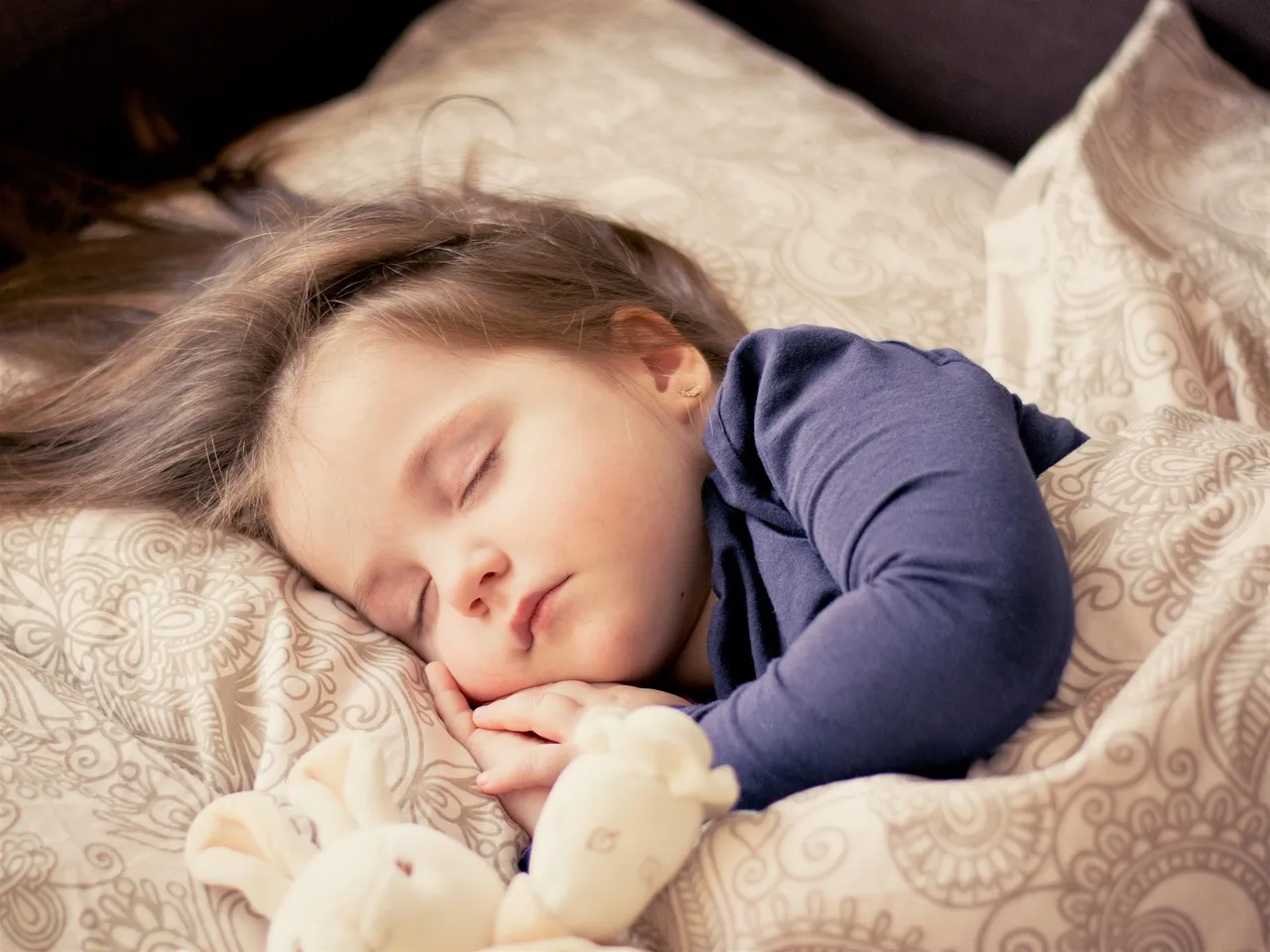
How to Dress Baby for Sleep
Dress baby in one base layer — a cotton onesie — plus a sleep sack with a TOG rating matched to your room temperature. Keep the sleep space between 68–72°F. Avoid loose blankets, hats, and heavy fabrics indoors. Check the back of baby's neck: warm and dry means just right. Adjust as baby grows and seasons change.
Dressing a baby for sleep feels simple until you're standing in the nursery at 11 p.m. wondering if they're too warm, too cold, or somewhere in between. Getting it right matters more than most new parents realize — not just for comfort, but for safety. This guide covers everything you need: room temperature targets, TOG ratings, swaddling basics, what to skip at bedtime, and how your approach shifts as baby grows.
Why What Baby Wears to Bed Actually Matters
Babies cannot regulate their body temperature the way adults can. They overheat easily and cannot kick off a blanket or tell you they're uncomfortable. That combination makes appropriate sleep dressing one of the most practical things you can do for their safety and their ability to rest well.
Overheating disrupts sleep quality and has been associated with risk factors in infant sleep safety research. A baby who's too cold will wake frequently and struggle to settle back down. The goal is comfortable, neutral warmth — not cozy-hot, not chilly.
The good news: once you understand a few key principles, it becomes second nature within a couple of weeks.
Room Temperature Is Your Foundation
Before you think about layers, check the room. The American Academy of Pediatrics (AAP) recommends keeping a baby's sleep space between 68°F and 72°F (20°C–22°C). This range supports safe, comfortable sleep for most infants across age groups.
A simple room thermometer — not an expensive smart device — is one of the most useful tools in a nursery. Once you know the actual room temperature, choosing what your baby wears becomes far more straightforward.
- Below 65°F (18°C): Long-sleeve onesie plus a high-TOG sleep sack (2.5–3.5), or footed pajamas with a sleep sack.
- 65–68°F (18–20°C): Light long-sleeve onesie with a 2.5 TOG sleep sack.
- 68–72°F (20–22°C): Short or long-sleeve onesie under a 1.0–2.5 TOG sleep sack — the most common setup.
- 72–75°F (22–24°C): A light short-sleeve onesie with a 0.5–1.0 TOG sleep sack or thin muslin swaddle sack.
- Above 75°F (24°C): A single short-sleeve onesie or just a diaper, with a 0.5 TOG sleep sack if you want containment.
The One-Extra-Layer Rule — and Why It's Imprecise
You've likely heard the advice: dress baby in one more layer than you'd wear in the same room. It's a reasonable starting point, but it's not a reliable rule on its own. Adults sitting still often feel cool even in a 70°F room, especially at night. Your baby generates body heat more efficiently — sometimes too efficiently.
A better approach: match baby's layers to the room temperature, not your own comfort level. If you're in a sweater in a 70°F room, your baby probably doesn't need one. A well-chosen onesie and an appropriate sleep sack almost always gets the job done.
Understanding TOG Ratings
If you've shopped for sleep sacks, you've seen the term TOG. It stands for Thermal Overall Grade — a standardized measurement of how much warmth a textile provides. The higher the TOG, the warmer the item. Most reputable sleep sack brands print the TOG rating clearly on the packaging.
Here's a quick reference guide:
- 0.5 TOG: Very light. For warm rooms (75°F and above) or hot summer nights.
- 1.0 TOG: Light. For rooms around 69–74°F.
- 2.5 TOG: Medium. The most versatile option — ideal for rooms around 61–68°F.
- 3.5 TOG: Warm. For cold rooms below 61°F or winter use in unheated spaces.
When in doubt between two TOG ratings, go lighter. It's easier to add a layer than to deal with an overheated baby at midnight.
How to Dress Baby for Sleep by Season
Seasons shift, heating systems cycle on and off, and what worked in October may not work in January — or even the following week. Think of seasonal guidelines as a starting point. Your home's actual temperature always takes priority over the calendar.
Summer
Hot months call for minimal layers. A short-sleeve cotton onesie in a room kept at 72–75°F is often enough. If the room climbs above that, a diaper alone is appropriate. A 0.5 TOG sleep sack provides gentle containment — many babies sleep more soundly with the boundary it creates — without adding meaningful warmth. Use a fan to improve air circulation (aimed away from the baby, not directly at them).
Spring and Fall
These seasons are the trickiest because temperatures swing day to day and night to night. A light long-sleeve onesie with a 1.0 TOG sleep sack is a reliable default. Keep a small fan or portable heater within easy reach to adjust the room temperature rather than stacking or removing clothing layers at 3 a.m.
Winter
In a well-heated home (68–72°F), a long-sleeve onesie or footed pajamas under a 2.5 TOG sleep sack is typically sufficient. If your home runs cool overnight, a slightly warmer onesie underneath and a 3.5 TOG sack makes sense. Always run the back-of-neck check (more on this below) before leaving baby for the night and when you check in.
Swaddling: When It Helps and When to Stop
Swaddling — wrapping a newborn snugly in a blanket — mimics the snugness of the womb. Many newborns sleep longer stretches when swaddled because the wrap limits the startle reflex (the moro reflex) that can jolt them awake spontaneously.
Swaddling basics to get right:
- Use a thin, breathable muslin blanket — not a regular receiving blanket, which traps too much heat.
- Wrap snugly around the arms, but leave room for the hips and legs to move. A swaddle that's too tight around the lower body can affect hip development.
- Never cover baby's face or restrict the airway.
- Stop swaddling as soon as baby shows signs of rolling — typically around 2 months, sometimes sooner. A swaddled baby who rolls to their stomach cannot push up to free their airway. This is a firm safety threshold.
When you're ready to transition out of swaddling, move to a swaddle transition sack (arms partially free) or a standard sleep sack. Most babies adapt within one to two weeks, though you may have a few rough nights at the start.
Sleep Sacks and Wearable Blankets Explained
A sleep sack — also called a wearable blanket — is the safest alternative to loose blankets in a crib. The AAP recommends keeping loose blankets, pillows, positioners, and soft objects out of a baby's sleep space for at least the first year. A sleep sack provides warmth and comfort without any suffocation risk.
What to look for when choosing one:
- The right TOG for your room temperature — this is the most important factor.
- Proper sizing — a too-large sack lets baby slip inside; a too-small one restricts movement.
- A secure zipper or snap closure that baby cannot open, ideally with a cover flap over the zipper pull.
- Breathable fabric — cotton and muslin are the most reliable choices. Avoid synthetic fleece in warmer rooms.
- A roomy bottom — look for sacks designed with a wide, rounded base that allows free hip and leg movement. Hip dysplasia organizations recommend this as a design standard.
Sleep sacks work from birth (in newborn sizing) through toddlerhood. Many two- and three-year-olds still prefer them — and there's nothing wrong with that.
Signs Your Baby Is Too Hot or Too Cold
You can't always tell from a glance. Here's where to check and what to feel for.
Signs baby may be too warm:
- Sweaty neck, chest, or back of the head
- Flushed or red skin on the face or torso
- Rapid or labored breathing
- Damp hair
- Skin that feels hot to the touch on the upper back or chest
If baby feels too warm, remove a layer right away. Don't wait to see if they settle — overheating during sleep warrants prompt action.
Signs baby may be too cold:
- Chest or back feels cool to the touch
- Mottled or blotchy skin
- Frequent unexplained waking
- Fussiness that doesn't resolve with feeding or comfort
Important: Cold hands and feet are normal in babies — their circulation to the extremities is still maturing. Always check the torso, not the hands or feet, to gauge whether baby is warm enough.
Newborn vs. Older Baby: How Dressing for Sleep Evolves
A newborn's needs look different from a 6-month-old's, and both differ from a toddler's. Here's how to adjust your approach over time.
Newborns (0–2 months)
Newborns are typically swaddled. They have essentially no ability to regulate body temperature independently and need a warm, stable sleep environment. Stick to thin base layers plus a proper swaddle or newborn-specific sleep sack. Keep the room at the lower end of the 68–72°F range — not warmer.
2–6 months
This is the transition period when swaddling ends. Move to an arms-out swaddle sack first, then a standard sleep sack. Babies this age are becoming more active — they may shift position and move around, so a well-fitted sack matters more than it did in the early weeks.
6–12 months
Babies are rolling, sometimes sitting, and increasingly mobile during sleep. A properly fitted sleep sack with a wide, hip-healthy base is ideal. In winter, footed pajamas layered under a sleep sack keeps toes warm without loose socks in the crib.
12 months and beyond
After 12 months, sleep sacks remain the simplest, safest option. If a toddler begins removing the sleep sack or showing readiness for a blanket, a small, thin blanket tucked firmly under the crib mattress is a reasonable next step — though many families stick with sleep sacks through age 2 or 3 without any downsides.
What to Skip at Bedtime
Some items seem cozy or logical but create real problems during sleep.
- Hats indoors: Newborns wear hats in the hospital because delivery rooms are cold. At home, a hat traps significant body heat and can cause overheating. Babies release heat through their heads — covering it inside is almost never necessary.
- Loose blankets in the crib: Keep the sleep surface bare (just a fitted sheet) for at least the first 12 months. No blankets, pillows, bumpers, or soft toys.
- Heavy fleece footie pajamas in a warm room: Fleece holds heat efficiently. In a 70°F+ room, cotton is the smarter choice.
- Mittens beyond the newborn stage: Newborn mittens prevent scratching but are rarely needed past the first few weeks. Loose mittens that come off become items in the sleep space — not ideal.
- Stacking multiple heavy layers: More layers isn't safer or warmer in any useful way. A thin onesie plus an appropriately rated sleep sack almost always outperforms a stack of clothing.
A Simple Bedtime Dressing Routine
- Check the room temperature. Use a thermometer rather than guessing. In the early weeks, write it down so you can track patterns and spot any nights when the room runs unusually warm or cold.
- Choose the right base layer. For most rooms at 68–72°F, a cotton onesie (short or long sleeve depending on exact temperature) is the right foundation.
- Select your sleep sack by TOG. Match it to the room temperature using the guide above. When in between two options, go lighter — you can always add warmth if needed.
- Do the back-of-neck check. Just before laying baby down, feel the skin on the back of their neck or upper chest. It should feel warm and dry. Sweaty means overdressed; cool means underdressed.
- Adjust based on feedback overnight. If baby wakes warm, remove a layer at the next check. If they feel cool or are waking frequently without an obvious cause, add one. This feedback loop is how you dial in the right setup for your specific home and your specific baby.
Frequently Asked Questions
What should a newborn wear to sleep?
Most newborns sleep best in a thin cotton onesie (short or long sleeve depending on room temperature) under a proper swaddle or a newborn-specific sleep sack. Keep the room between 68–72°F and skip the hat unless your home is genuinely cold.
Should baby wear clothes under a sleep sack?
Yes, in most cases. The sleep sack replaces a loose blanket, not clothing. The standard setup is an onesie or pajamas plus an appropriately rated sleep sack. In very warm rooms above 75°F, a single onesie or just a diaper under a 0.5 TOG sack may be all you need.
Can a baby sleep in just a onesie?
Yes. In warmer rooms — 72°F and above — a single onesie is often sufficient. During summer heat when rooms stay consistently warm, a short-sleeve onesie or even just a diaper is appropriate. Safety-wise, the temperature of the room matters more than the number of layers.
Is it safe to put socks on a baby for sleep?
Socks are generally fine as long as they fit well and stay on. If baby is in footed pajamas, skip the socks — the feet are already covered. Loose socks that can come off become loose items in the sleep space, which is best avoided.
When should I stop swaddling?
Stop swaddling as soon as baby shows any sign of rolling — typically around 2 months, sometimes a bit earlier. Once a baby can roll, a swaddle prevents them from pushing up if they end up face-down. Transition to an arms-out swaddle sack or a standard sleep sack.
Can baby wear a hat to sleep at home?
In most home environments, no. Babies lose a significant amount of body heat through their heads, which is helpful for temperature regulation. A hat indoors traps that heat and can cause overheating. The exception is if your home is genuinely cold (below 65°F) and you cannot warm the room.
How do I know if my baby is too hot while sleeping?
Check the back of the neck or the chest. Sweaty, warm to the touch, or flushed skin means baby is likely overdressed. Remove a layer promptly. Don't use hands or feet to gauge temperature — these naturally run cooler in infants and aren't a reliable indicator.
What should a baby wear to sleep in summer?
In warm weather, a short-sleeve cotton onesie with a 0.5 TOG sleep sack works well. If the room stays above 75°F despite a fan or air conditioning, a diaper alone or a light onesie without a sleep sack is appropriate. The priority is keeping the room cool rather than managing layers.
Are footed pajamas enough, or do you also need a sleep sack?
In mild to warm rooms (68–72°F), footed pajamas alone can work fine. In cooler environments, a sleep sack layered over footed pajamas adds warmth without using loose blankets. Many families use both because the snug feel of a sleep sack also provides comfort and consistency for baby's sleep cues.
What is a TOG rating and why does it matter for sleep sacks?
TOG stands for Thermal Overall Grade — a standardized warmth measurement used for textiles. A higher TOG means more insulation. Matching the TOG of your sleep sack to your room temperature takes the guesswork out of layering and helps you avoid both overheating and under-dressing.
At what age can babies sleep with a blanket?
The AAP recommends keeping loose blankets out of the sleep space for the first 12 months. After 12 months, a small, thin blanket tucked firmly under the mattress is generally considered lower risk. That said, many families continue with sleep sacks through ages 2 or 3 — it's simple, safe, and most toddlers adapt to it easily.
What fabric is best for baby sleepwear?
Cotton is the most reliable choice across seasons — breathable, soft, and easy to layer. Muslin cotton is particularly lightweight for warmer months. Avoid synthetic fleece in warm rooms, as it retains significant heat. For winter, a thicker cotton blend or organic cotton footed pajama offers warmth without overheating risk.
Sources & Further Reading
- American Academy of Pediatrics — A Parent's Guide to Safe Sleep
- NHS — How to Reduce the Risk of Sudden Infant Death Syndrome (SIDS)
- The Lullaby Trust — Safe Sleep Temperature Advice
Reviewed by The Positivity.org Editorial Team · Last updated April 15, 2026
Stay Inspired
Get a daily dose of positivity delivered to your inbox.