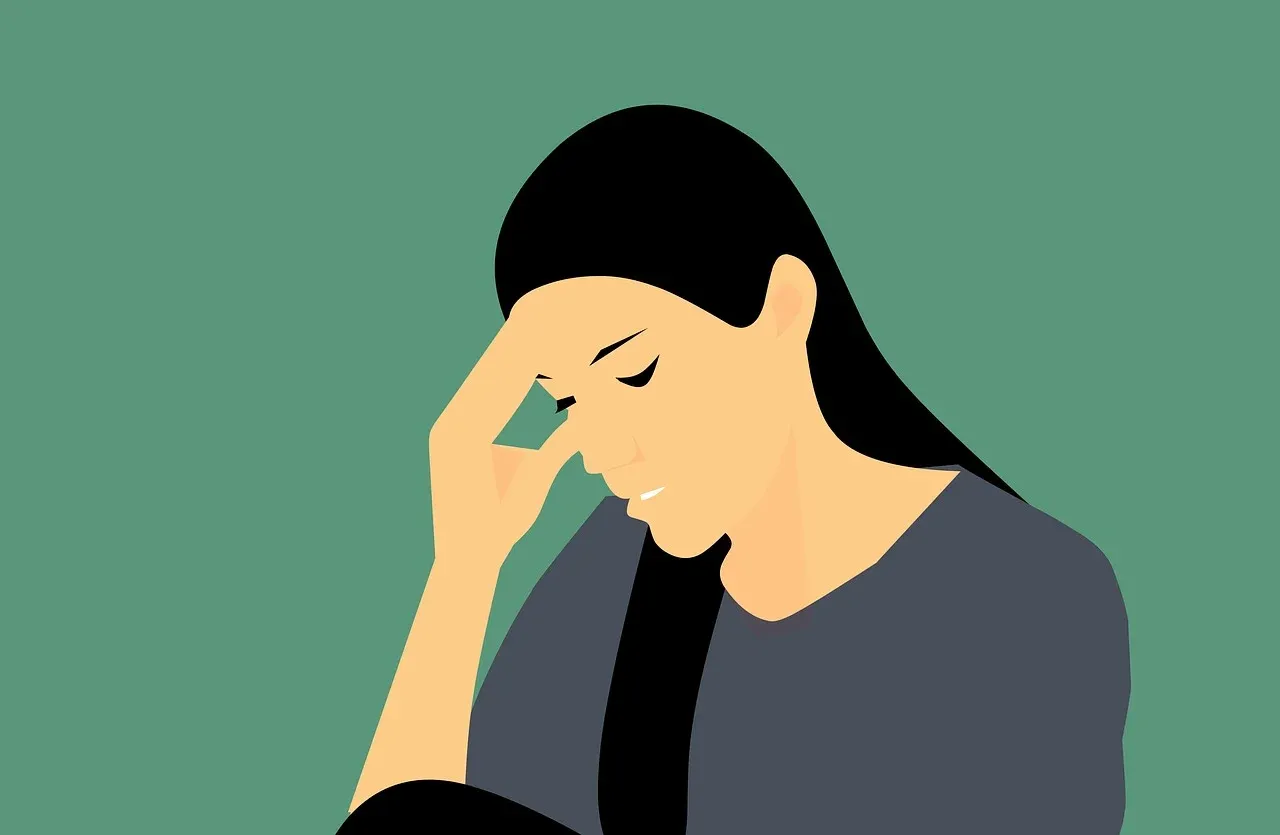
This Is What Depression Looks Like

Depression is often misunderstood, both by those who live with it and those who care about them. It’s not simply sadness or a passing low mood—it’s a complex condition that can manifest in ways that aren’t always visible. This article explores what depression actually looks like in real life, moving beyond stereotypes to examine its emotional, physical, and behavioral dimensions. You’ll find grounded insights, practical observations, and thoughtful takeaways that honor the complexity of the experience—without oversimplifying or offering false promises.
It’s Not Just Sadness—It’s a Shift in Experience
Many people assume depression looks like constant crying or an inability to get out of bed. While those can be symptoms, the reality is often subtler. Depression can appear as emotional numbness, a lack of interest in things once enjoyed, or a persistent sense of heaviness that doesn’t lift. Some people continue to function at work or in relationships while feeling disconnected or hollow inside—a state sometimes called “smiling depression.”
What sets clinical depression apart from ordinary sadness is its duration and pervasiveness. It’s not about having a bad day; it’s about feeling drained, indifferent, or overwhelmed for weeks or months, even when external circumstances seem fine. People may go through the motions—showing up to work, making meals, attending events—but internally, they feel detached or exhausted.
Understanding this distinction helps reduce self-judgment. Recognizing that depression isn’t a moral failing or a sign of weakness allows space for compassion. It’s not about “trying harder” to be happy; it’s about acknowledging that something deeper is affecting perception, energy, and motivation.
The Body Keeps the Score
Depression isn’t just in the mind—it shows up in the body. Many people don’t realize how closely mood and physical health are linked. Chronic fatigue, unexplained aches, changes in appetite, and disrupted sleep are common companions of depression. Some describe it as carrying a weight in their chest or feeling like they’re moving through water.
Sleep patterns often shift. Some people sleep too much, finding it hard to get out of bed even after long nights. Others lie awake for hours, their minds racing despite exhaustion. Appetite changes can go in either direction—some lose interest in food altogether, while others turn to eating for comfort, even when not hungry.
These physical symptoms aren’t just side effects—they’re part of the condition. The nervous system, when under prolonged stress or low mood, can alter bodily functions in measurable ways. This is why treating depression often requires a holistic approach: therapy, lifestyle adjustments, and sometimes medication aren’t just about thoughts, but about restoring balance to the whole system.
What You Can Notice
- Pay attention to changes in energy levels that don’t match activity—feeling wiped out after minor tasks, for example.
- Notice shifts in your relationship to food or sleep that persist over time.
- Be mindful of physical tension, especially in the shoulders, jaw, or chest, which can reflect underlying emotional strain.
Withdrawal Isn’t Rejection—It’s Protection
When someone pulls away socially, it’s easy to interpret that as disinterest or coldness. But in depression, withdrawal is often a survival strategy. Social interaction can feel overwhelming, not because the person doesn’t care, but because engaging takes more energy than they have to give.
Many describe a kind of mental fog that makes conversation feel like work. Small talk becomes exhausting. The idea of attending a gathering, even with close friends, can spark anxiety or dread. This isn’t antisocial behavior—it’s self-preservation. The brain, under the weight of depression, conserves energy by minimizing stimulation.
For loved ones, this can be painful. It’s natural to feel shut out. But reframing withdrawal as a symptom rather than a personal slight can shift how we respond. Instead of pushing someone to “come out and have fun,” a simple, low-pressure check-in—“I’m here if you want to talk or just sit quietly”—can feel more supportive.
How to Support Someone Pulling Away
- Resist the urge to take it personally. Their distance is likely about internal strain, not your value.
- Offer low-effort connection: a text, a walk in silence, or a shared activity that doesn’t require much talking.
- Respect boundaries. If they decline an invitation, respond with warmth, not pressure: “No problem. I’m around when you feel up to it.”
Productivity Isn’t the Measure of Worth
In a culture that often equates busyness with value, depression can feel like a moral failure. People may berate themselves for not accomplishing enough, for missing deadlines, or for needing more rest. But depression affects cognitive functions—concentration, memory, decision-making—making even simple tasks feel monumental.
Imagine trying to read a book while someone’s whispering distracting thoughts in your ear. That’s what focus can feel like with depression. Tasks that once took minutes now require immense effort. The mental bandwidth for planning, prioritizing, or problem-solving shrinks. This isn’t laziness; it’s a real cognitive load.
Letting go of productivity as the primary measure of self-worth can be liberating. It doesn’t mean giving up on goals—it means adjusting expectations during difficult periods. A single email sent, a short walk taken, or a meal prepared can be meaningful victories. Progress isn’t linear, and healing isn’t measured in output.
Ways to Reframe Daily Goals
- Focus on effort, not completion. Did you try? That counts.
- Break tasks into tiny steps. “Open laptop” is a valid first move.
- Practice self-compassion when plans fall apart. Ask: “What would I say to a friend in this situation?”
Healing Isn’t About Fixing—It’s About Understanding
There’s a common misconception that depression should be “cured” or “overcome.” But for many, it’s a recurring or chronic condition that requires ongoing management, much like diabetes or chronic pain. The goal isn’t to erase it completely—though remission is possible—but to build resilience and self-awareness.
Therapy, medication, lifestyle changes, and support networks all play roles, but so does internal narrative. Learning to recognize early warning signs—like irritability, sleep changes, or social avoidance—can help someone intervene before symptoms deepen. Journaling, mindfulness, or regular check-ins with a trusted person can build that awareness.
Healing also means making space for mixed emotions. It’s possible to feel grief and hope at the same time. To be tired and still try. To ask for help and feel strong for doing so. Depression doesn’t erase strength; it often reveals it in quieter, more enduring forms.
Signs of Progress That Aren’t Obvious
- Noticing your mood shift, even slightly, without judgment.
- Reaching out to someone, even with a brief message.
- Allowing yourself rest without guilt.
- Expressing a need, even if it’s just “I’m not okay today.”
Frequently Asked Questions
Can you have depression even if things are going well in your life?
Yes. Depression isn’t always tied to external circumstances. People can experience it even when they have supportive relationships, stable jobs, or no obvious “reason” to be sad. Biology, brain chemistry, and life history all contribute, and sometimes it arises without a clear trigger. This doesn’t make it less real or valid.
How is depression different from anxiety?
While they often overlap, depression typically involves low energy, disinterest, and heaviness, whereas anxiety is marked by restlessness, worry, and hypervigilance. Some people experience both at once—feeling agitated yet drained, or fearful yet numb. The two can feed each other, making it hard to separate them without support.
Is medication always necessary for depression?
Not for everyone. Some people find relief through therapy, lifestyle changes, or a combination of approaches. For others, especially with moderate to severe symptoms, medication can be an important tool. The decision is deeply personal and ideally made with a healthcare provider who understands the individual’s history and preferences.
What’s the first step if I think I might be depressed?
Start by acknowledging what you’re noticing, without judgment. Then, consider talking to a primary care provider or mental health professional. You don’t need to have all the answers—just the willingness to explore. Even a single conversation can help clarify next steps.
Can lifestyle changes really help with depression?
They can, especially when used alongside other supports. Regular movement, consistent sleep, time in nature, and meaningful connection have all been shown to influence mood. They’re not quick fixes, but over time, small shifts in routine can create meaningful change. The key is consistency, not perfection.
Stay Inspired
Get a daily dose of positivity delivered to your inbox.