Subconscious Anxiety
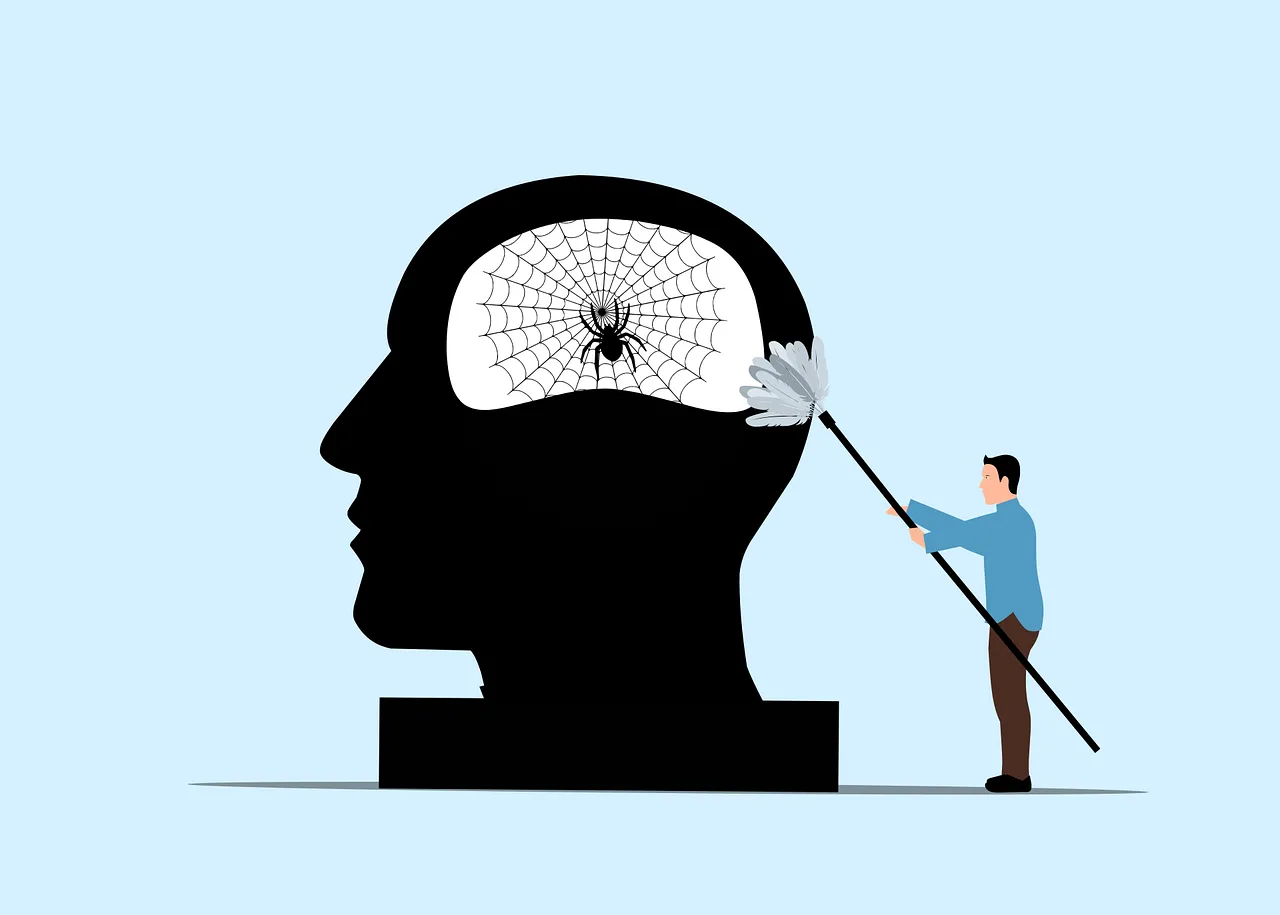
Most of us are familiar with anxiety when it’s loud—racing heart, restless thoughts, the kind of worry that keeps us up at night. But anxiety can also live quietly beneath the surface, shaping our choices, relationships, and sense of self without ever rising to the level of conscious awareness. This is subconscious anxiety: the unseen current influencing how we show up in the world, often mistaken for personality traits or simple stress. Understanding it isn’t about pathologizing normal reactions—it’s about recognizing patterns that may be holding us back from greater ease and connection.
What Subconscious Anxiety Actually Is (And What It Isn’t)
Subconscious anxiety isn’t a clinical diagnosis. It’s a term used to describe persistent, low-level stress responses that operate outside of conscious thought. Unlike generalized anxiety disorder, which involves identifiable symptoms and distress, subconscious anxiety often masquerades as habit, temperament, or even competence. You might not feel “anxious” in the traditional sense, but you’re always preparing for the next problem, over-explaining yourself, or avoiding certain situations without knowing why.
It’s shaped by early experiences, repeated messages (from family, culture, or past environments), and unprocessed emotional events. Over time, these influences become automatic—like an internal script running quietly in the background. For example, someone who grew up in an unpredictable household might develop a subconscious expectation that things will go wrong, leading them to overwork or people-please as a way to maintain control.
Crucially, subconscious anxiety differs from situational stress. While stress tends to be time-limited and tied to external events, subconscious anxiety persists even when life is stable. It’s less about what’s happening now and more about what your nervous system believes might happen based on the past.
How It Shows Up in Daily Life
Because it’s not always labeled as anxiety, its presence can be easy to overlook. Instead of panic attacks or intrusive thoughts, subconscious anxiety often reveals itself through behavior and subtle emotional cues:
- Perfectionism—not as a pursuit of excellence, but as a fear of being exposed as inadequate.
- Chronic busyness—using productivity to avoid stillness or difficult emotions.
- Over-apologizing—a reflexive response rooted in anticipating disapproval.
- Difficulty receiving compliments—dismissing or downplaying praise, often with a laugh or deflection.
- Emotional flatness—a protective numbing that keeps deeper feelings at bay.
Some people experience it as a low-grade sense of urgency—always needing to “do” rather than “be.” Others may feel a vague dissatisfaction, even when life appears to be going well. The common thread is a subtle but persistent sense of unease, as if something is always slightly off.
Importantly, these patterns aren’t flaws. They’re adaptations—strategies developed over time to manage uncertainty or maintain safety. Recognizing them isn’t about self-correction; it’s about curiosity. When we begin to notice them without judgment, we create space for change.
Why Awareness Alone Isn’t Enough
Many people assume that once they “figure out” their subconscious patterns, those patterns will dissolve. But insight doesn’t always lead to transformation. The subconscious operates on emotion and repetition, not logic. You can intellectually understand that your fear of failure stems from childhood expectations, yet still feel your chest tighten when you’re about to present at work.
This gap between knowing and feeling is why cognitive strategies—like journaling or talking through issues—can hit a ceiling. They’re essential, but often insufficient on their own. The body holds memory, and subconscious anxiety lives in the nervous system. That’s why approaches that engage the body and the senses tend to be more effective in creating lasting shifts.
Consider someone who grew up in a home where conflict was explosive. As an adult, they might avoid disagreements at all costs, even when necessary. Telling themselves, “It’s safe to speak up now,” may not override the body’s learned response to suppress dissent. Lasting change often requires rewiring not just thoughts, but the physiological responses tied to them.
Practices That Gently Shift the Subconscious
Working with subconscious anxiety isn’t about force or elimination. It’s about gradual reconditioning—offering the nervous system new experiences that contradict old beliefs. These practices aren’t quick fixes, but they build momentum over time.
1. Noticing Without Fixing
Start by simply observing your patterns. When you catch yourself rushing, apologizing unnecessarily, or bracing for criticism, pause and name it internally: “Ah, there’s that familiar tension.” The goal isn’t to stop it, but to acknowledge it with neutrality. This small act of recognition begins to loosen the pattern’s grip.
2. Somatic Check-Ins
Several times a day, ask: Where do I feel tension? Is my jaw clenched? Shoulders tight? Breathing shallow? These physical cues often signal subconscious anxiety before the mind registers it. Gently releasing tension—by dropping the shoulders, softening the face, or taking a deeper breath—sends safety signals to the nervous system.
3. Micro-Moments of Safety
Subconscious anxiety often assumes the world is unsafe or unpredictable. Counter this by creating tiny, consistent experiences of safety. This could be lighting a candle at the same time each evening, placing a hand on your chest during a stressful moment, or repeating a simple phrase like “I’m okay right now.” Repetition helps the subconscious absorb new beliefs.
4. Revisiting Old Narratives with Compassion
If you notice a belief like “I have to be perfect to be accepted,” consider where it might have come from—not to assign blame, but to understand. You might say to yourself, “That made sense when I was 10 and trying to keep the peace. It helped me survive. But I don’t need it to survive now.” This reframing fosters integration, not rejection, of the past.
When to Seek Support
While self-awareness and daily practices are powerful, they aren’t always enough—especially if subconscious anxiety is rooted in trauma or prolonged adversity. Some signs it might be time to work with a professional:
- You feel emotionally stuck, even with consistent self-work.
- Relationships repeatedly follow the same difficult pattern.
- Physical symptoms—like fatigue, digestive issues, or insomnia—persist without medical explanation.
- You find yourself avoiding therapy because it feels too vulnerable or unnecessary.
Therapists trained in somatic experiencing, internal family systems (IFS), or attachment-focused approaches can help access and reprocess subconscious material in a supported way. These modalities don’t just talk about the past—they work with how it lives in the body and nervous system now.
It’s also worth noting that seeking support isn’t a sign of brokenness. It’s an act of stewardship—choosing to tend to the unseen layers of your inner life with the same care you’d give a garden or a close friendship.
Frequently Asked Questions
How is subconscious anxiety different from repressed emotions?
Repressed emotions are feelings we actively push away, often because they’re too painful or overwhelming to face. Subconscious anxiety, while related, is more about ingrained patterns of response—automatic behaviors and beliefs shaped by past experiences. One can contribute to the other, but they’re not the same. For example, repressing anger might lead to subconscious anxiety about conflict, which then shows up as avoidance or people-pleasing.
Can subconscious anxiety affect physical health?
Yes. When the nervous system remains in a prolonged state of low-level alert, it can impact digestion, sleep, immune function, and inflammation. Many people don’t connect these physical symptoms to anxiety because they don’t feel “anxious” in the emotional sense. But the body often registers stress long before the mind does.
Is it possible to eliminate subconscious anxiety completely?
Complete elimination isn’t usually the goal—and may not be realistic. The aim is integration and reduction of its influence, not eradication. With awareness and practice, subconscious anxiety can become less dominant, allowing for more choice in how you respond to situations. It’s less about removing the current and more about learning to swim with it.
Why do I feel worse when I start to notice these patterns?
Increased awareness can temporarily heighten discomfort. As subconscious material rises to the surface, you might feel more emotional, tired, or unsettled. This is often a sign of progress—a signal that deeper layers are being accessed. It usually passes with time and consistent, gentle practice. If it persists, consider seeking professional support.
Can mindfulness make subconscious anxiety worse?
For some people, especially if practiced without guidance, mindfulness can amplify feelings of anxiety or dissociation. Sitting quietly may bring up unresolved material without the tools to process it. If mindfulness feels destabilizing, try grounding practices first—like walking, gentle movement, or focused breathing—and consider working with a therapist to build capacity for awareness.
Stay Inspired
Get a daily dose of positivity delivered to your inbox.