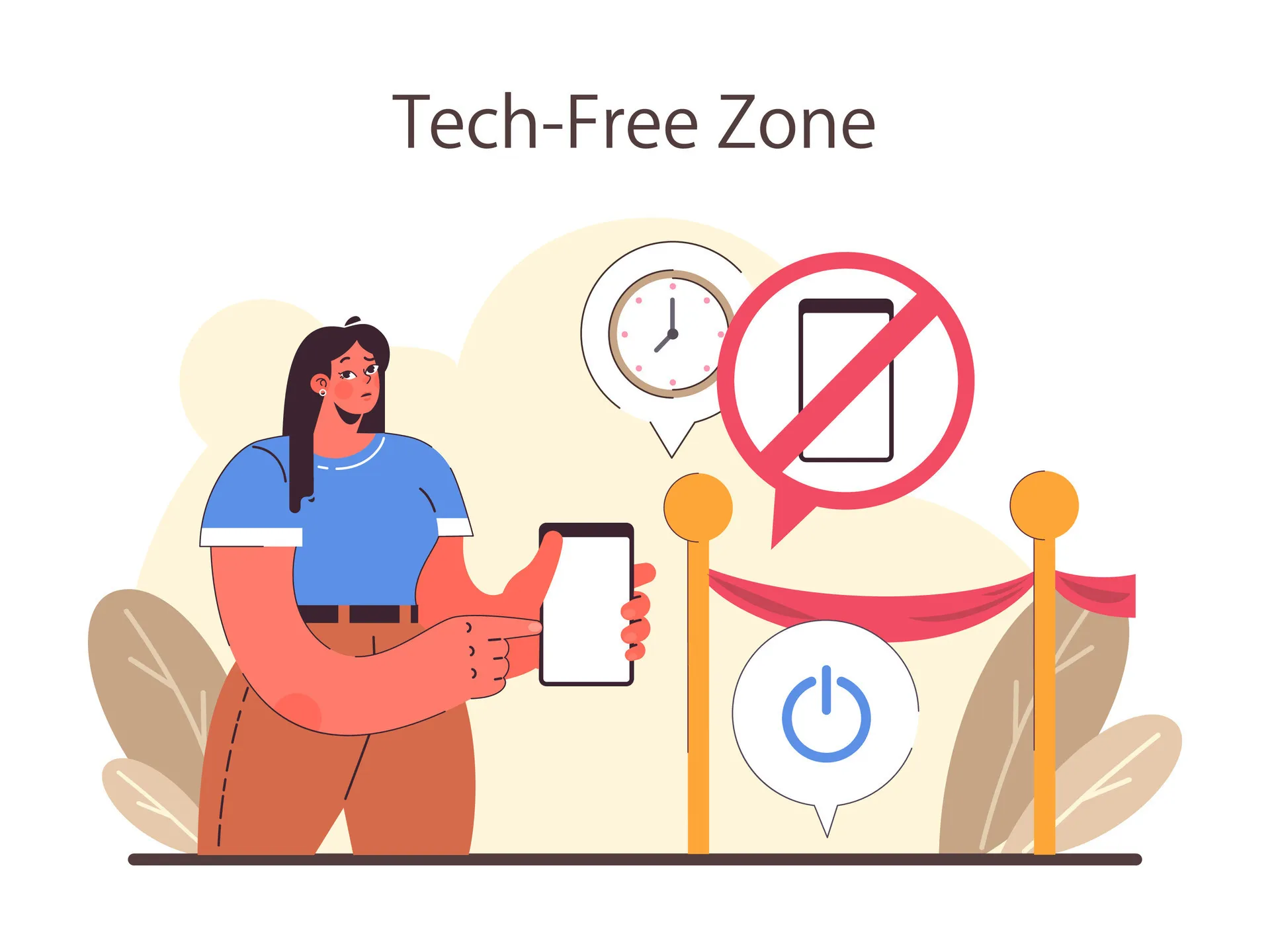
Digital Detox Strategies for Better Mental Health

Understanding the Digital Overload Crisis
In our hyperconnected world, the average person spends over seven hours daily consuming digital media. This constant connectivity has created a mental health crisis that experts are only beginning to understand fully. The relentless notifications, endless scrolling, and pressure to stay perpetually online are leaving millions feeling anxious, exhausted, and disconnected from the present moment.
Digital fatigue is not simply about spending too much time on devices. It encompasses the psychological toll of information overload, social comparison, and the erosion of our ability to focus deeply. Digital detox strategies have emerged as essential tools for reclaiming our mental health and restoring balance to our lives.
The Physical and Mental Toll
Excessive screen time disrupts sleep patterns, increases anxiety levels, and contributes to digital addiction. Our brains release dopamine in response to notifications, creating a reward cycle that keeps us coming back for more. Research shows that people who engage in regular digital detoxification experience improved sleep quality, reduced stress, and enhanced cognitive function.
Understanding these impacts is the first step toward taking meaningful action. When we recognize how our devices affect our mental state, we gain the motivation to implement lasting change.
- Sleep disruption from blue light exposure and notification stimulation
- Increased anxiety from constant comparison and information overload
- Reduced attention span and difficulty with deep focus
- Social anxiety and fear of missing out (FOMO)
- Physical strain including eye fatigue and neck pain
Proven Digital Detox Strategies for Success
Digital detox strategies work best when tailored to individual lifestyles and goals. There is no one-size-fits-all approach, but rather a collection of evidence-based techniques that different people find most effective. The key is experimenting with various methods to discover which ones resonate with your specific needs.
Whether you're looking for a weekend break from technology or planning a more comprehensive lifestyle shift, these strategies provide a foundation for success. Each approach addresses different aspects of our digital dependency.
The Complete Digital Detox
A complete detox involves stepping away from all non-essential technology for an extended period. This might mean a full weekend, a week, or even longer. During this time, you eliminate smartphones, social media, and streaming services, focusing instead on in-person activities and analog hobbies.
This radical approach allows your brain to reset completely, breaking the addiction cycle and providing clarity about how technology actually serves your life. Many people report profound insights and renewed energy after a complete digital detox.
- Set a specific timeframe and communicate it to your contacts
- Prepare alternative activities like reading, hiking, or crafting
- Leave your devices with a trusted friend or in another room
- Create an out-of-office message explaining your absence
- Return gradually by reintroducing one app or service at a time
The Gradual Reduction Method
For those who cannot step away completely, a gradual reduction offers sustainable progress. This approach involves slowly decreasing daily screen time and shifting usage patterns toward more intentional engagement.
The gradual method works well for people with work obligations requiring digital connectivity. By making incremental changes, you avoid the shock of sudden withdrawal while still achieving meaningful results.
- Reduce daily screen time by 15 minutes each week
- Delete one social media app and wait two weeks before deleting another
- Establish specific times for checking email and messages
- Replace one hour of screen time daily with offline activities
- Track your progress to maintain motivation and accountability
Creating Your Personalized Digital Detox Plan
The most effective digital detox strategies are those you design specifically for your circumstances. A personalized plan accounts for your work requirements, family commitments, and personal goals. Taking time to create a thoughtful strategy increases your likelihood of success.
Begin by assessing your current digital habits honestly. Which apps consume most of your time? When do you feel most addicted to your devices? What is your primary motivation for detoxing? These answers form the foundation of your personalized approach.
Assessment and Goal Setting
Before implementing any changes, gather data about your current habits. Most smartphones have built-in screen time tracking features that reveal surprising patterns. Spend a week simply observing without judgment, noting which apps you use most and when.
Once you understand your baseline, set specific, measurable goals. Instead of "spend less time online," try "reduce social media to 30 minutes daily" or "no phones during meals." Concrete goals provide direction and make progress trackable.
- Review your screen time data for one full week
- Identify your three most time-consuming apps
- Determine your primary purpose for digital use (work, connection, entertainment)
- Set a reduction target that feels challenging but achievable
- Choose your detox strategy based on your lifestyle and goals
Implementation Timeline
Success depends on a realistic timeline that allows your brain to adjust gradually. Attempting to change everything overnight typically results in failure and frustration. A thoughtful implementation timeline respects the psychological nature of habit change.
Build in checkpoints where you assess your progress and adjust as needed. Some strategies may work better than others, and flexibility is crucial for long-term success.
- Week 1-2: Implement foundational changes and establish monitoring
- Week 3-4: Remove temptations by reorganizing your phone and apps
- Week 5-8: Introduce time boundaries and accountability systems
- Week 9+: Solidify new habits and plan ongoing maintenance
- Monthly: Review your goals and adjust your strategy as needed
Managing Social Media and App-Based Addiction
Social media platforms are engineered to be addictive, employing sophisticated psychological techniques to maximize engagement. Understanding these mechanisms helps you develop stronger digital detox strategies that counteract their pull. This knowledge empowers you to use these platforms intentionally rather than reactively.
Apps are designed by teams of engineers whose explicit goal is to keep you using them longer. By recognizing this, you can implement defenses against manipulation while still maintaining useful digital connections.
Reducing Social Media Consumption
Social media creates a paradoxical feeling of connection combined with profound isolation. While it promises community, it often delivers comparison, anxiety, and diminished self-worth. Conscious reduction is essential for mental health recovery.
Start by identifying which platforms provide genuine value and which serve primarily as time wasters. Be honest about the emotional impact of each app. Some might energize you while others leave you feeling drained.
- Delete apps that consistently make you feel worse about yourself
- Use app limiters to automatically restrict access after set times
- Unfollow accounts that trigger comparison or negative emotions
- Replace scrolling habits with intentional browsing of specific content
- Establish phone-free times when you disable notifications entirely
Notification Management and Settings
Notifications are attention hijackers designed to interrupt your focus and pull you back into apps. Each ping creates a small hit of dopamine, reinforcing the checking behavior. By controlling notifications, you regain control of your attention.
Most people never customize their notification settings, accepting the default onslaught. Taking just an hour to optimize these settings can dramatically reduce digital interruptions and reclaim significant mental bandwidth.
- Disable all non-essential notifications immediately
- Enable notifications only for genuine emergencies and important contacts
- Use "Do Not Disturb" modes to create focus time blocks
- Turn off badge numbers and sound alerts
- Create separate focus profiles for different times of day
Building Lasting Healthy Tech Habits
Digital detox is not permanent removal from technology but rather the development of healthier relationships with our devices. The goal is sustainable change that allows you to use technology intentionally. Implementing lasting digital detox strategies requires ongoing attention and self-awareness.
Think of this as digital wellness rather than deprivation. You're not eliminating technology but rather using it as a tool that serves your life rather than consuming it.
Creating Boundaries and Device-Free Zones
Physical boundaries support mental boundaries. Designating specific areas and times as device-free creates natural breaks in your digital engagement. These spaces become sanctuaries for presence, conversation, and reflection.
Device-free bedrooms improve sleep quality dramatically. Similarly, device-free dining tables strengthen relationships and improve digestion. These simple boundaries create compounding benefits for your overall well-being.
- Make your bedroom a completely device-free sanctuary
- Establish no-phones-at-the-table during meals
- Create a charging station outside your bedroom
- Designate digital-free time blocks throughout your day
- Create a physical library or reading nook as a tech-free zone
Alternative Activities and Offline Engagement
Digital detox creates a void that must be filled with meaningful alternatives. Having engaging offline activities makes it much easier to stick with your commitment. These activities provide the stimulation and engagement your brain craves in healthier ways.
Rediscover hobbies you've neglected or explore new ones entirely. Physical movement, creative pursuits, and face-to-face connection provide deeper satisfaction than digital consumption ever could.
- Establish a daily reading practice with physical books
- Start a creative hobby like painting, writing, or music
- Commit to regular exercise or outdoor activities
- Plan regular in-person time with friends and family
- Develop mindfulness or meditation practices
Accountability and Ongoing Support
Accountability dramatically increases your success rate. Sharing your goals with others and tracking your progress keeps you motivated and committed. Many people find that group challenges or accountability partners are essential for maintaining changes.
Digital detox doesn't mean social isolation. Rather, it means shifting your social engagement from virtual to in-person whenever possible. This creates a positive reinforcement loop where your relationships improve alongside your digital wellness.
- Find an accountability partner pursuing similar goals
- Join a digital wellness group or challenge
- Share your goals publicly to increase commitment
- Schedule regular check-ins to discuss progress
- Celebrate milestones and learn from setbacks without judgment
Key Takeaways
- Digital detox strategies work best when personalized to your specific situation rather than following a generic approach. Your unique circumstances, work requirements, and goals should guide your strategy selection.
- Complete breaks from technology can reset your brain and provide clarity about how devices actually serve your life. Even short digital detoxes offer significant mental health benefits.
- Social media platforms are engineered for addiction, so managing notifications and curating your feeds actively is essential for maintaining digital wellness and mental health.
- Building lasting change requires establishing physical and temporal boundaries around technology use, combined with engaging offline activities that provide genuine fulfillment.
- Accountability and community support significantly increase your success rate, making it worth investing in partnerships or group challenges for ongoing motivation and commitment.
More questions, freshly answered (April 28, 2026)
How long should a digital detox last to actually help?
Research from the University of Bath (2023) found that even a 7-day reduction (not full abstinence) of social media use reduced anxiety scores by 17% and improved sleep quality measurably. Full detoxes longer than 30 days produce sharper but less durable benefits — most people regress within weeks of resuming normal use. A sustainable pattern: one screen-free day per week, plus daily 90-minute blocks (morning + evening), beats heroic month-long detoxes.
Is replacing social media with reading or a hobby effective, or do I need full abstinence?
Replacement works better than abstinence for most people. The brain doesn't respond well to deprivation alone — it returns to old habits the moment willpower flags. Pre-committing to a specific replacement activity (a book on the bedside table, a paint-by-numbers kit on the desk, a walk after dinner) provides a tangible alternative when the phone-pickup urge arrives. Track the replacement, not the abstinence.
Frequently Asked Questions
What is a digital detox and how does it work?
How long should a digital detox last?
What are the best digital detox strategies for people who must use a phone for work?
How do I do a digital detox without losing access to important contacts?
What are the benefits of a digital detox?
Is digital detox the same as social media detox?
Will I get withdrawal symptoms during a digital detox?
How often should I do a digital detox?
Stay Inspired
Get a daily dose of positivity delivered to your inbox.