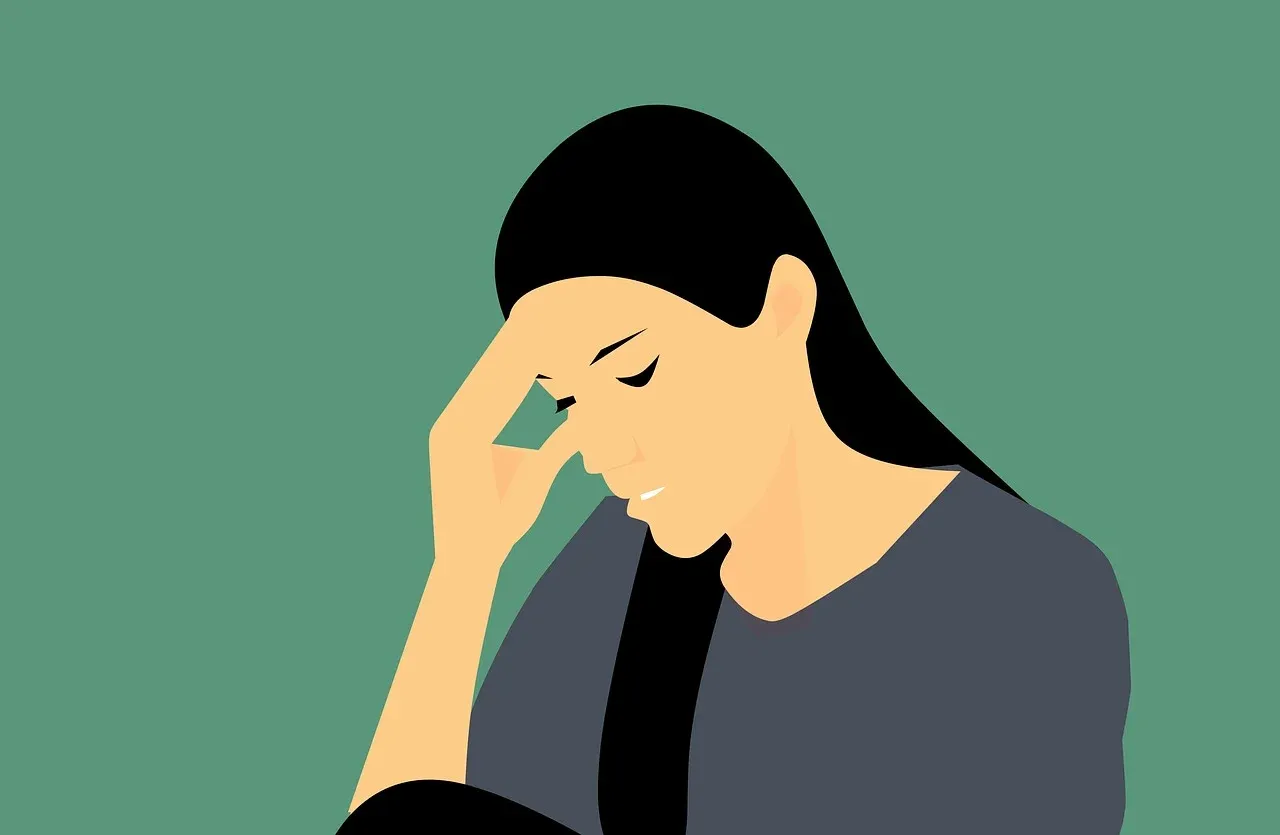
Depression vs Seasonal

Depression is a complex emotional and physiological state that affects millions of people worldwide. While it can occur at any time of year, some individuals notice shifts in mood tied closely to seasonal changes. Understanding the differences between general depression and seasonal patterns isn't about labeling or minimizing experience—it's about recognizing patterns that can inform better care. This article explores how depression and seasonal affective patterns differ in presentation, underlying factors, and response to intervention, offering clarity for those trying to make sense of their emotional landscape.
Understanding Depression: More Than Just Sadness
Depression is not simply a prolonged bout of sadness. It’s a multifaceted condition involving persistent low mood, diminished interest in activities, fatigue, difficulty concentrating, and sometimes physical symptoms like changes in sleep or appetite. For many, it disrupts daily functioning and can persist for months or years without support.
Unlike temporary emotional dips, clinical depression often lacks an obvious external trigger. It can emerge in response to life events, but just as often, it arises from biological, genetic, and neurochemical factors that aren’t directly tied to circumstances. This internal origin means that willpower or positive thinking alone rarely resolve it.
Treatment typically involves a combination of therapy, lifestyle adjustments, and sometimes medication. Cognitive behavioral therapy, for example, helps individuals identify and shift unhelpful thought patterns, while interpersonal therapy focuses on relationship dynamics. The key is consistency and a tailored approach—what works for one person may not work for another.
What Is Seasonal Affective Pattern?
Many people experience mood shifts as the seasons change, particularly during fall and winter when daylight hours shorten. This isn’t just “winter blues”—for some, it’s a recurring pattern significant enough to interfere with daily life. While often referred to as Seasonal Affective Disorder (SAD), it’s more accurate to think of it as a seasonal pattern within depression rather than a separate diagnosis.
People with a seasonal pattern typically notice symptoms beginning in late fall, continuing through winter, and lifting in spring or early summer. Common signs include low energy, increased need for sleep, carbohydrate cravings, and social withdrawal. These symptoms often improve naturally with longer days and greater sunlight exposure.
The role of light is central. Reduced daylight affects the body’s internal clock, or circadian rhythm, which can disrupt sleep, mood, and hormone regulation. Melatonin and serotonin levels—both influenced by light exposure—play key roles. This doesn’t mean the experience is “less real” than non-seasonal depression; rather, it points to a specific environmental trigger that can be addressed.
Distinguishing Between Patterns: Why It Matters
Recognizing whether depression follows a seasonal pattern or occurs year-round influences how we respond. Someone who feels consistently low regardless of season may benefit most from ongoing therapeutic support or medication. In contrast, someone whose mood reliably shifts with the calendar may find targeted strategies—like light therapy or seasonal planning—particularly helpful.
Timing is a key clue. If symptoms emerge each autumn and fade each spring, that’s a strong indicator of seasonal influence. But if low mood persists across seasons, or if episodes occur randomly throughout the year, the underlying mechanisms may be less tied to light and more to other biological or psychological factors.
It’s also possible to have both. A person with chronic depression might find their symptoms worsening in winter, creating a layered experience. In such cases, treatment may need to address both the ongoing condition and the seasonal intensification.
Practical Strategies Grounded in Evidence
For those affected by seasonal shifts, small, consistent changes can make a meaningful difference. These aren’t cure-alls, but they are accessible and supported by research.
- Maximize natural light exposure: Spend time outside during daylight hours, even on cloudy days. A morning walk can help regulate circadian rhythms and boost mood.
- Consider light therapy: Light boxes that emit 10,000 lux of cool-white fluorescent light, used for 20–30 minutes each morning, have been shown to reduce symptoms in many people with seasonal patterns. It’s best used early in the day to avoid disrupting sleep.
- Maintain routine: Regular sleep, meal times, and activity schedules help stabilize mood. Disruptions in routine—common during holidays—can amplify seasonal symptoms.
- Stay socially connected: Isolation tends to deepen low mood. Scheduling regular contact with friends or community groups, even brief check-ins, can provide meaningful support.
- Move the body: Physical activity, especially outdoors, supports both circadian regulation and mood. It doesn’t require intensity—consistent, moderate movement is what matters.
For non-seasonal depression, strategies often focus more on psychological and relational support. Therapy, medication management, and building self-awareness are central. Lifestyle changes help, but they’re usually part of a broader plan rather than standalone solutions.
When and How to Seek Support
Knowing when to reach out for help isn’t always straightforward. Many people hesitate, fearing they’ll be seen as “overreacting” or not “trying hard enough.” But seeking support isn’t a sign of weakness—it’s a practical step toward better well-being.
Consider professional help if low mood persists for more than two weeks, interferes with work or relationships, or leads to thoughts of hopelessness. A primary care provider can help rule out medical causes—like thyroid issues or vitamin deficiencies—that mimic depression. From there, a mental health professional can help determine whether symptoms align more with general depression, a seasonal pattern, or another condition.
Therapists and psychiatrists are trained to assess patterns over time and across seasons. They can also help distinguish between temporary stress responses and deeper, more persistent conditions. Early intervention often leads to better outcomes, so reaching out sooner rather than later is beneficial.
It’s also important to involve trusted people in your life. Explaining what you’re experiencing—even in simple terms—can reduce isolation and open the door to practical support, whether that’s help with daily tasks or just someone to listen without judgment.
Frequently Asked Questions
Can seasonal mood changes be considered “real” depression?
Yes. While seasonal patterns are often linked to environmental factors like light, the emotional and physical symptoms are genuine and can be just as impairing as non-seasonal depression. The distinction lies in timing and triggers, not the validity of the experience.
Does everyone with depression experience it seasonally?
No. Only a subset of people with depression notice a clear seasonal pattern. For many, symptoms occur independently of the time of year. Some may even experience summer-pattern depression, with symptoms emerging in warmer months.
Can lifestyle changes alone treat seasonal depression?
For some, yes—especially if symptoms are mild. Light exposure, routine, and physical activity can be effective. But for moderate to severe cases, these strategies are often most effective when combined with therapy or other treatments. It’s not about willpower; it’s about matching the response to the level of need.
Is light therapy safe for everyone?
Most people tolerate light therapy well, but it’s not appropriate for everyone. Individuals with bipolar disorder, for example, should use it cautiously, as it can sometimes trigger manic symptoms. As with any intervention, it’s best to discuss with a healthcare provider before starting.
Can depression that starts seasonally become year-round?
Yes. Some people find that what begins as a seasonal pattern, if left unaddressed, can evolve into more persistent depression. This doesn’t mean the initial cause was trivial—it underscores the importance of early support and ongoing attention to mental health.
Stay Inspired
Get a daily dose of positivity delivered to your inbox.