Quick Self-Compassion Meditation Guide: Step-by-Step Practice
Self-compassion isn’t about self-indulgence or letting yourself off the hook—it’s about meeting your own humanity with kindness, especially in moments of struggle. This guided meditation offers a practical, accessible way to build that inner warmth and resilience. Whether you're new to mindfulness or have some experience, this practice can support you when you're feeling overwhelmed, critical of yourself, or simply in need of a grounded moment.
What You'll Need
This practice is designed to be simple and accessible. You don’t need special training or hours of free time—just a few intentional minutes.
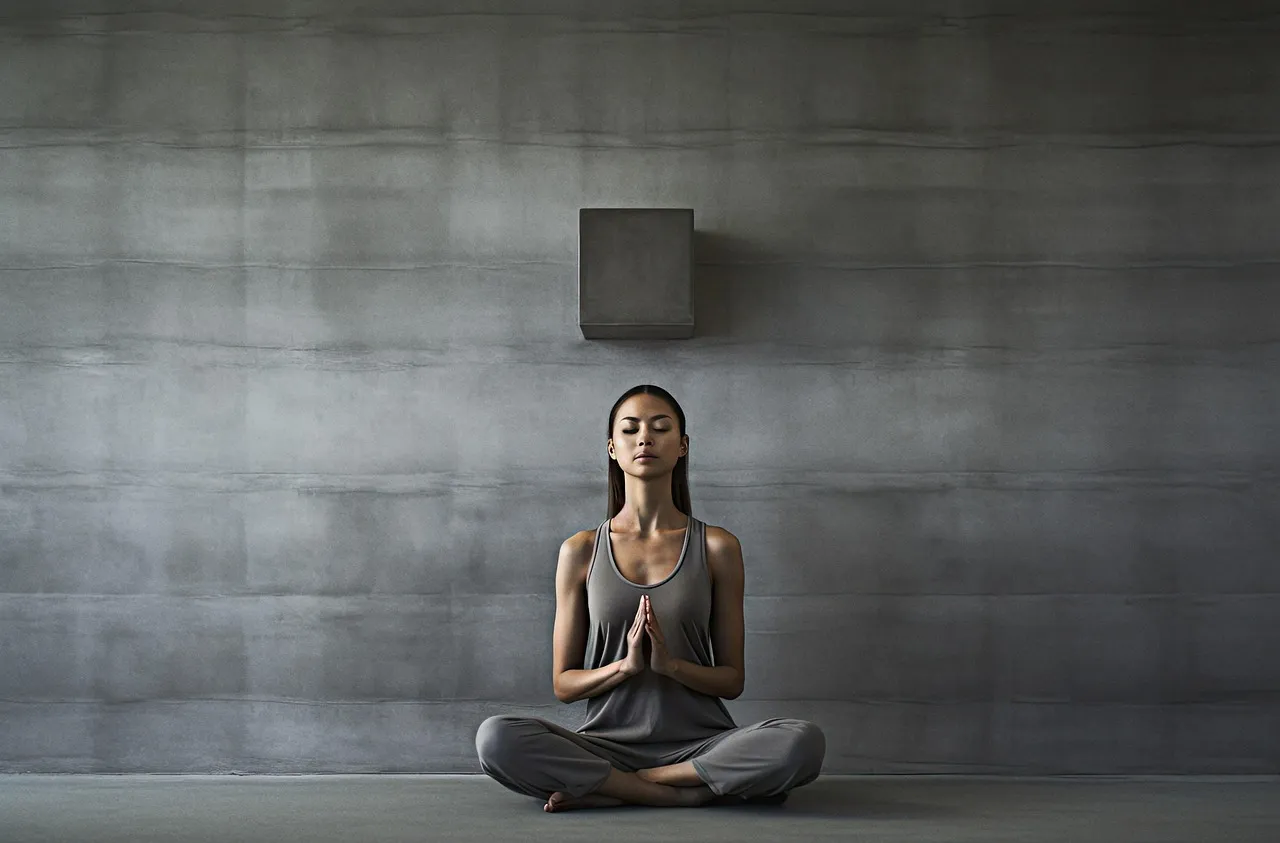
- Posture: Sit comfortably with your back supported, either in a chair with feet flat on the floor or on a cushion with legs crossed. You can also lie down if sitting is uncomfortable, but avoid positions that invite sleep unless that’s your intention.
- Setting: Choose a quiet space where you’re unlikely to be interrupted. It doesn’t need to be silent—ambient noise is fine—but minimize distractions like phones or screens.
- Time: Aim for 5 to 10 minutes. You can extend it as you become more familiar with the steps. Even a shortened version offers benefit when practiced consistently.
- Optional Props: A cushion or folded blanket to support your seat, a light blanket if you tend to get cold, and perhaps a soft eye mask if light is distracting.
Step-by-Step Self-Compassion Meditation
- Settle into stillness. Begin by adjusting your posture so you’re alert but not tense. Let your hands rest gently in your lap or on your thighs. Close your eyes if that feels comfortable, or soften your gaze toward the floor about three feet in front of you. Take three natural breaths, noticing the slight pause between each in-breath and out-breath. There’s no need to change your breathing—just let it be as it is.
- Anchor your attention with the body. Bring your awareness to the physical points of contact: your feet on the floor, your seat on the cushion or chair. Feel the weight of your body settling downward. Notice any areas of tension—jaw, shoulders, hands—and allow them to soften without forcing change. Simply acknowledge what’s present.
- Recall a moment of difficulty. Think of a recent situation where you felt stressed, disappointed, or self-critical. It doesn’t need to be major—something as simple as snapping at a loved one or feeling behind on a task is enough. Hold that moment in your awareness, not to dwell on it, but to bring presence to the feeling it left behind.
- Notice your inner reaction. Without judgment, observe how your mind responded. Did you call yourself names? Did you assume failure? Did you feel isolated, as if no one else could understand? Simply name the tone of your inner voice: harsh, impatient, dismissive. You’re not trying to fix it yet—just recognizing it. <5>Shift into a kinder stance. Imagine how you’d speak to a close friend in the same situation. Picture their face, their expression. What would you say to them? Not empty reassurance, but something honest and kind: “That was tough,” or “You’re doing your best.” Let that tone of voice settle in your awareness.
- Offer yourself those same words. Silently repeat a phrase that feels authentic to you. Examples: “May I be kind to myself,” “This is hard, and I’m still okay,” or “I accept myself as I am in this moment.” Choose one that doesn’t feel forced. If none resonate, simply place a hand gently over your heart and feel the warmth of that gesture.
- Feel the sensation of kindness in the body. Notice where compassion lands physically. Is there warmth in your chest? A softening in your face? A slight release in your shoulders? Don’t force it—if you don’t feel anything distinct, that’s fine. Just stay with the intention, like holding a space open.
- Expand the circle of care. Bring to mind someone else who might be struggling with a similar feeling—someone, anywhere, who has ever felt inadequate or overwhelmed. Silently offer them the same phrase: “May you be kind to yourself.” Then extend it further, to a neutral person, then to someone you find difficult. This isn’t about excusing behavior—it’s about recognizing shared vulnerability.
- Return to your breath. Let go of any imagery or phrases. Return your attention to the natural rhythm of your breathing. Notice how your body feels now compared to the start. There’s no “right” outcome—just this moment, as it is.
- Close with a gesture of acknowledgment. Place both hands over your heart, or bring your palms together at your chest. Acknowledge that you’ve taken time to meet yourself with care. Then gently open your eyes, or lift your gaze, carrying that quiet attention into the next part of your day.
Tips for Beginners
Starting a meditation practice can feel awkward, especially when the goal isn’t relaxation but presence. Here are a few common challenges and practical ways to work with them:
- “I don’t feel anything.” That’s normal. Self-compassion isn’t about manufacturing a warm glow—it’s about showing up. The act of pausing and offering kind words, even if they feel hollow at first, is the practice. Over time, the feeling often follows.
- “I feel worse after meditating.” Sometimes, slowing down brings buried emotions to the surface. If that happens, try shortening the practice or focusing more on the body (like the feeling of your breath or hands) rather than difficult memories. You’re not required to process everything at once.
- “I don’t have time.” Start with two minutes. Even one full cycle of breath with the intention of kindness counts. You can practice while waiting for a meeting to start, or during a bathroom break. Consistency matters more than duration.
- “It feels selfish.” Many people struggle with this, especially those used to prioritizing others. But self-compassion isn’t self-absorption—it’s a way to replenish your capacity to care. Research suggests that people who practice self-compassion are often more patient, empathetic, and resilient in their relationships.
Why This Practice Matters
Self-compassion isn’t about ignoring shortcomings or avoiding responsibility. It’s about changing your relationship to difficulty. When we respond to our own struggles with kindness instead of criticism, we create internal safety. That safety allows us to see ourselves more clearly, make better choices, and recover from setbacks more quickly.
Many practitioners find that over time, this kind of meditation reduces rumination and emotional reactivity. It doesn’t erase stress, but it can shift how we carry it. Unlike affirmations that feel disconnected from reality, self-compassion meets the truth of the moment—“This hurts,” “I’m struggling”—and adds, “And I’m still worthy of care.”
Frequently Asked Questions
Can I practice this during a stressful moment, or should I wait for a calm time?
Both approaches work. Practicing during calm moments builds the skill, like strengthening a muscle. But you can also use a shortened version in real time—placing a hand on your heart and silently saying, “This is hard,” or “I’m here with you,” even if “you” is yourself. It won’t erase the stress, but it can create a small space between you and the reaction.
What if I don’t believe the kind phrases I’m saying?
It’s common for the mind to resist at first, especially if you’re used to a critical inner voice. Instead of pushing for belief, focus on the intention behind the words. You don’t have to feel it fully to benefit from the gesture. Over time, repetition can shift the tone of your inner dialogue, even subtly.
Is this the same as positive thinking?
No. Positive thinking often involves replacing negative thoughts with optimistic ones, whether they feel true or not. Self-compassion meditation is different—it’s about acknowledging pain without exaggerating it, and responding with care. It’s not about denying difficulty, but about not adding self-judgment on top of it.
Stay Inspired
Get a daily dose of positivity delivered to your inbox.