Powerful Morning Meditation Guide: Step-by-Step Practice
A consistent morning meditation practice can reshape how you meet each day—offering more steadiness, clearer thinking, and a sense of calm before the pace picks up. This guide walks you through a complete 15-20 minute meditation designed for beginners and experienced practitioners alike, with specific language and steps you can follow right away.
What You'll Need
Setting: Find a quiet space where you won't be interrupted. This might be your bedroom, a corner of your living room, or even your car parked somewhere peaceful. You don't need anything fancy—just somewhere you can sit undisturbed for 15-20 minutes. If background noise is unavoidable, gentle instrumental music or nature sounds can help.
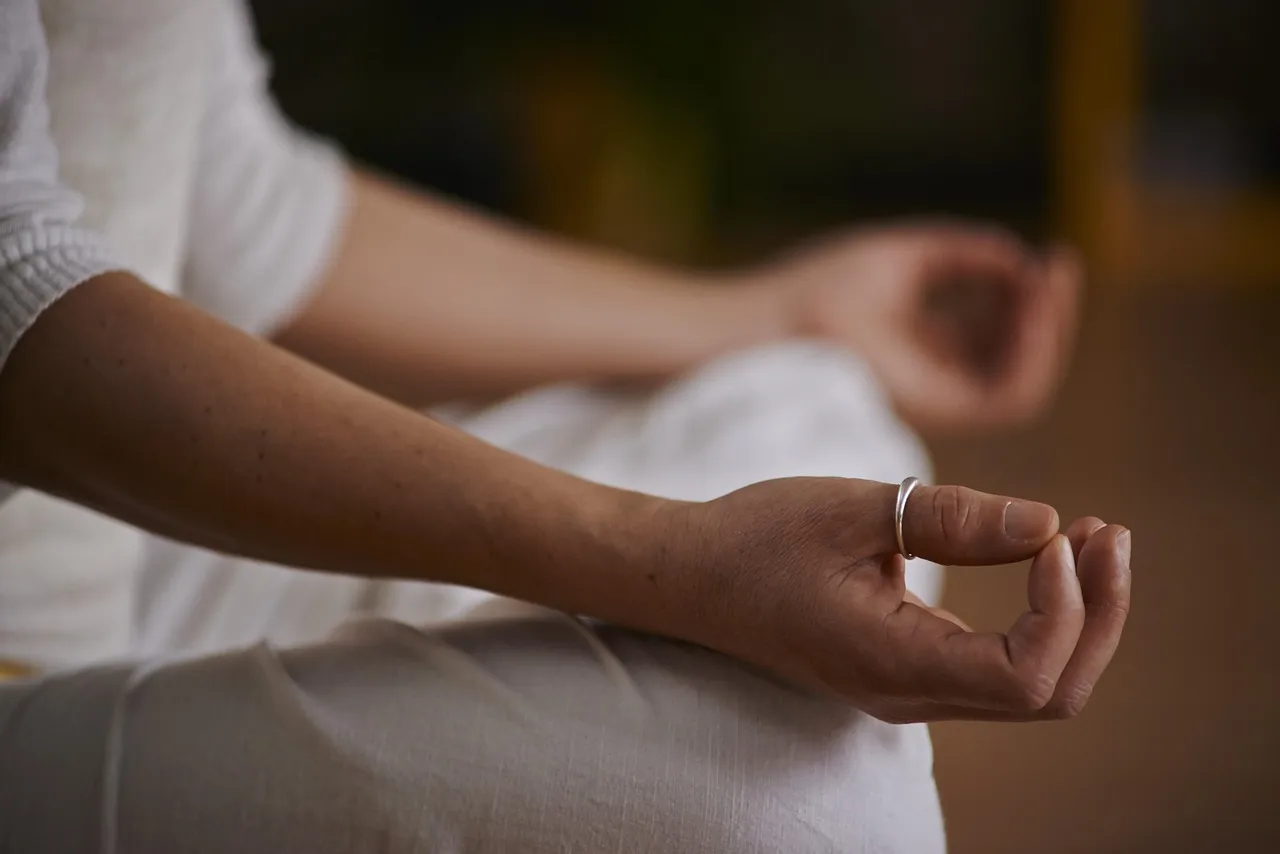
Posture: Sit upright in a chair or cross-legged on a cushion. Your spine should be straight but not rigid. If sitting on the floor, elevate your hips slightly on a meditation cushion or folded blanket so your knees can relax. If sitting in a chair, keep your feet flat on the ground. Your hands can rest on your thighs, palms down or up—whatever feels natural.
Time: Morning works best when you can do this before checking your phone or email. Even 10-15 minutes makes a real difference. If you're new to meditation, aim for 12 minutes initially; you can extend to 20-25 minutes as the practice becomes familiar.
Optional props: A blanket nearby if you tend to feel cold, and a timer so you're not watching the clock. Silence is ideal, but a quiet alarm set for when your practice should end removes the mental question of "how long have I been sitting?"
The Practice Script
Read through these steps once before you sit, so you have a sense of the flow. After that, follow them in order. Numbers 1-4 establish your foundation; 5-8 deepen your awareness; 9-12 integrate and close.
- Settle into your seat. Sit down and take 3-4 full breaths through your nose, exhaling through your mouth. Feel your weight distribute through your hips or sit bones. Notice the points of contact between your body and the seat or floor. You're not trying to feel anything special—just noticing what's already there.
- Close your eyes gently. You can close them fully or leave them slightly open with a soft downward gaze. If closing your eyes makes you drowsy, the slight-open approach often helps. Take two more breaths and let your shoulders drop away from your ears.
- Find your breath naturally. Don't change how you're breathing. Simply notice the inhale—feel the air moving through your nostrils or your chest expanding. Notice the exhale—the slight pause at the bottom. You're not controlling your breath; you're becoming aware of it. If it naturally slows or deepens, fine. If it stays quick or shallow, that's fine too.
- Anchor to the breath. For the next minute or so, let your full attention stay with the physical sensation of breathing. Feel the texture of the inhale (cool air, expansion of your chest or belly). Feel the texture of the exhale (warmth, softening). This is your anchor point—whenever your mind wanders, you'll come back here.
- Count breaths silently. To give your mind a simple job, count each complete breath cycle. Inhale—mentally note "one." Exhale—you're still on one. Inhale—"two." Continue up to ten, then start over at one. This isn't about perfection; when you lose count (which is normal), just notice it and return to one without frustration. You're training attention, not passing a test.
- Notice thoughts without engagement. Around now, thoughts will arise—a task you forgot, a conversation, a song lyric. Your only job is to notice them like clouds passing in a sky. Don't follow the thought, don't try to push it away, and don't judge yourself for having it. Simply note "thinking" and return to your breath count. This happens dozens of times per meditation, and that's exactly right.
- Expand your awareness slightly. After several minutes of breath focus, widen your attention a little. Keep the breath as your main anchor, but include the sensations in your body—the weight of your legs, the air on your face, the sound of the room. You're not actively looking for sensations; you're allowing them to be present alongside your breath.
- Rest in open awareness. Let go of counting now. Simply sit with the breath and body sensations without trying to organize them. If your mind drifts entirely away, come back to the breath. If you stay present, that's fine. If your mind is very busy, that's also fine. There's no "right" state to achieve. The practice is simply sitting and returning, sitting and returning.
- Deepen for 2-3 minutes. Without changing anything about how you're sitting or breathing, notice if there's a quiet quality beneath the thoughts—a stillness underneath. You might notice this as space, silence, or simply an absence of urgency. Don't grasp for it; if you notice it, rest with it. If you don't, continue with breath and body awareness.
- Begin to transition. Slowly widen your awareness further. Notice sounds in the room—traffic outside, the hum of appliances. Notice the temperature of the air. Gradually bring your attention outward, like the sun rising and illuminating more of a landscape.
- Gentle movement. With your eyes still closed, wiggle your fingers and toes slightly. Gently rotate your neck a few times. Then, when you're ready, open your eyes slowly. Take your time—don't jump up immediately.
- Closing moment. Before you rise, take three intentional breaths where you're fully present. Notice how your body feels, the quality of your thoughts. See if you can carry this sense of calm and presence with you as you move into your day. Then stand slowly and move forward.
Tips for Beginners and Common Challenges
"My mind won't stop racing." That's not a failure—it's meditation. Your job isn't to have a blank mind; it's to notice when your mind has wandered and come back. Some days the mind is faster than others. This is normal and the practice still works.
Restlessness or physical discomfort. If your leg falls asleep or your back hurts, you can adjust your position. Meditation isn't about suffering through pain. That said, a little stiffness often eases after the first few minutes as you relax. Give it time before shifting.
Falling asleep. If you consistently doze off, try meditating earlier (before a warm shower), keep your eyes slightly open, or use a straighter sitting posture. Meditation can reveal that you need more sleep overall, which is valuable information.
Feeling emotional. Some people cry or feel sad during meditation, especially when they first sit. This often happens because you've created a space free from distraction, and emotions that were pushed down come to the surface. This is okay and not a sign something's wrong. Simply notice the feeling and continue sitting.
Impatience with results. The benefits of meditation—less anxiety, better focus, steadier mood—typically show up over weeks, not minutes. Some people feel calm immediately; others need several weeks of consistent practice to notice a shift. Both are normal. The practice works through repetition, not intensity.
Why This Works
Morning meditation works partly because the brain is quieter first thing. You haven't yet processed emails, news, or social media. There's also something about meditating before the day's demands that shifts how you engage with everything afterward—you're less reactive, more able to pause before responding.
Research consistently shows that regular meditation reduces activity in the brain's default mode network, the system that runs your inner critic and worry loop. Over time, practitioners report being less caught up in anxious thoughts and more able to let difficult emotions pass without being controlled by them. Studies also suggest meditation can improve focus and working memory, effects that compound over weeks and months.
The physiological side matters too: meditation lowers cortisol (your stress hormone), reduces blood pressure, and activates the parasympathetic nervous system—your body's rest-and-digest mode. By starting your day in this state, you're setting your nervous system's baseline rather than letting caffeine and urgency set it for you.
Frequently Asked Questions
How long until I notice a difference?
Many people feel calmer immediately after a single session. Deeper changes—easier focus, less reactive emotions, steadier mood—usually appear after 2-3 weeks of daily practice. Some benefit is noticeable at one week; give yourself at least a month before deciding if meditation is working for you.
Can I meditate lying down?
It's possible, but sitting is better for most people because lying down often leads to sleep, especially in the morning. If you're physically unable to sit, lying down is still valuable—just be aware you might doze off and set that intention clearly so it doesn't feel like failure.
What if I miss a day? Do I lose progress?
Missing one day doesn't erase the benefits you've built, but consistency matters much more than single perfect sessions. Missing a few days in a row does slow progress. The best approach is to meditate most mornings—not every single morning if that feels unsustainable, but frequently enough that it becomes a routine.
Can I meditate with noise in the background?
Yes. Some people find silence challenging. Gentle music, nature recordings, or white noise can help your mind settle. Eventually, as your practice deepens, you may become less dependent on it. Experiment and see what lets you focus most easily.
Is it okay if my mind is completely blank during meditation?
Blank mind states can happen and are fine, but they're not the goal. Meditation is ultimately about awareness and presence, which includes noticing when your mind is busy. Don't try to force a blank-mind state; it either happens or it doesn't. Your practice is working regardless.
Stay Inspired
Get a daily dose of positivity delivered to your inbox.