Powerful Mantra Meditation Guide: Step-by-Step Practice
Mantra meditation is one of the oldest contemplative practices, used across cultures to calm the mind and cultivate focus. Unlike meditation approaches that rely on watching your breath or observing thoughts, mantra practice gives your mind something active to do—repeating a word, phrase, or sound—which can feel more concrete and less frustrating if you're new to meditation. Whether you're drawn to this practice for stress relief, better concentration, or simply as a grounding ritual, this guide walks you through a real method you can start today.
What You'll Need
The beauty of mantra meditation is its simplicity. You don't need special equipment, but a few practical considerations will help:
- A quiet space: Find somewhere you won't be interrupted for 10–20 minutes. This could be a corner of your bedroom, a park bench, or even a parked car. Silence isn't mandatory, but minimizing sudden noise helps.
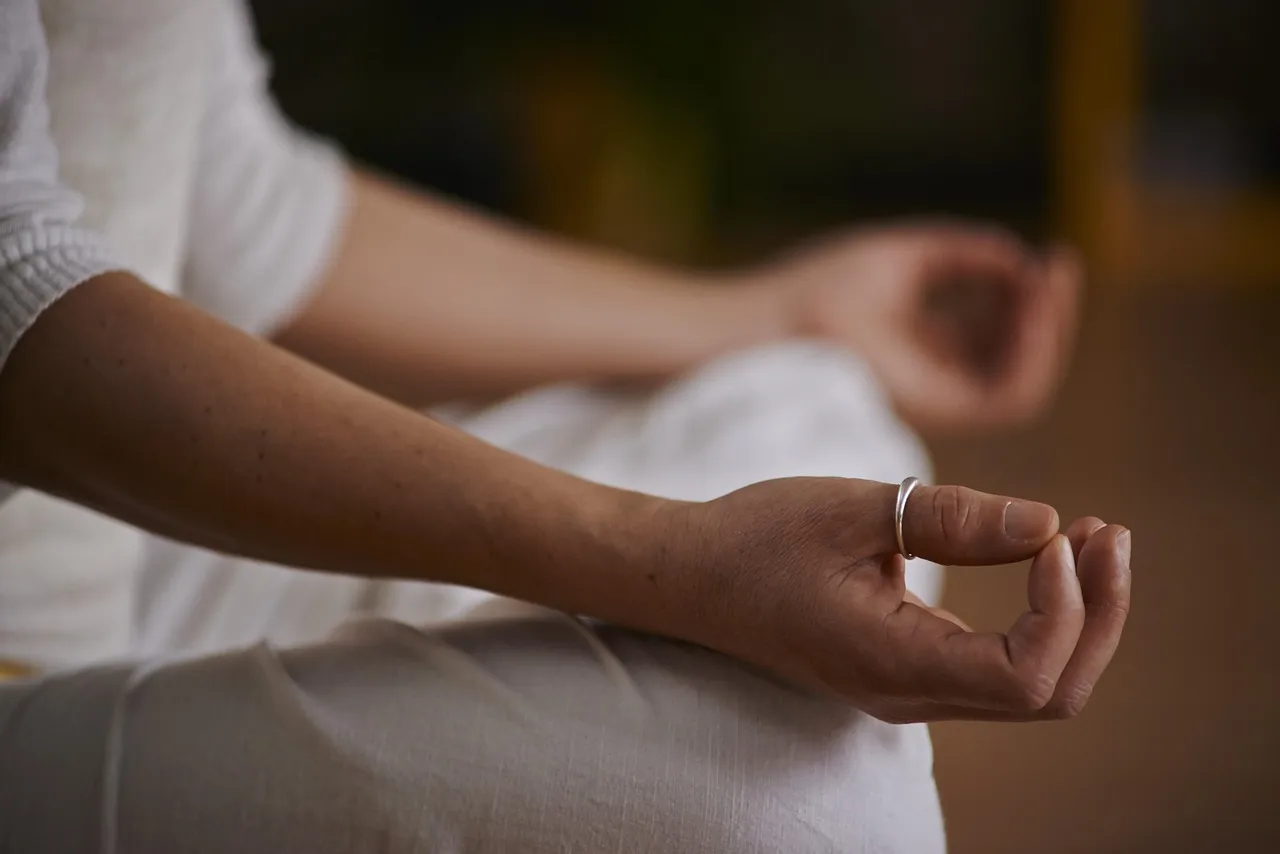
- A comfortable seated position: Sit upright in a chair with your feet flat, or cross-legged on the floor if that's comfortable. Your spine should be relatively straight—not rigid, just enough that you don't slouch. This supports both alertness and relaxation.
- Optional: a mala or counter: A mala is a strand of 108 beads used to count repetitions of your mantra. You can also use your fingers (counting on your knuckles) or simply let the mantra flow without counting. Neither is superior; it's personal preference.
- A mantra: We'll explore how to choose one below, but many practitioners start with simple syllables like "Om," a meaningful word like "peace" or "love," or a traditional Sanskrit mantra.
Choosing Your Mantra
Your mantra is the anchor of the practice. It should be a word, phrase, or sound that resonates with you—not something imposed from outside. Common options include:
- Single syllables: "Om," "So," "Ham" (the "so-hum" mantra, meaning "I am that")
- Short phrases: "Peace," "I am," "Let go," "I am enough"
- Traditional mantras: "Om Namah Shivaya" (Sanskrit; many traditions offer these)
- Personal affirmations: Something that addresses what you need—"I am calm," "I am steady"
Start with something simple. A one or two-syllable mantra is easier to sustain than a long phrase. You'll know if it's right for you—it will feel natural in your mouth and mind, not forced or overly complex.
The Practice: Step-by-Step Script
This is a standard 15-minute mantra meditation. You can adjust the duration once you're familiar with the flow.
- Settle into your seat. Sit down and take a moment to adjust your position. Feel your sitting bones grounding into the chair or cushion. If you're using a mala, hold it loosely in your right hand, with the beads resting in your lap or at chest height. Let your shoulders relax away from your ears.
- Close your eyes gently. Lower your gaze and close your eyes, or keep them soft and unfocused. There's no "correct" way—do what feels natural. If keeping eyes fully closed makes you drowsy, try a half-closed gaze.
- Take three intentional breaths. Breathe in through your nose for a count of four, hold for a moment, then exhale through your mouth for a count of four. Don't force this; let it be smooth and easy. This is your transition signal to the body: meditation is beginning.
- Introduce your mantra silently. Begin repeating your chosen mantra silently in your mind. Match it to your breath if it helps—mantra on the inhale, mantra on the exhale, or a longer mantra that spans both. The rhythm should feel unhurried and natural, not sing-song or mechanical.
- Keep the mantra continuous. Let it roll through your mind like a gentle wave. You're not trying to "achieve" a state or feel anything specific. The mantra is simply the focus point. If you're using a mala, move one bead toward you with each cycle of your mantra (typically one mantra = one bead, though some traditions vary).
- Notice when your mind wanders—and it will. Thoughts about your to-do list, conversations, or bodily sensations will arise. This isn't failure; it's what minds do. When you notice you've drifted, gently return to the mantra without self-criticism. Each return is a successful repetition of the practice, not a restart.
- Return to the mantra immediately. Don't analyze why you drifted or how long you were away. Simply notice and return, as if drawing a curtain back. The mantra becomes your anchor again.
- Sustain the rhythm for 10–20 minutes. Most people find 10 minutes manageable as a starting point; many deepen to 15–20 once comfortable. If you're using a mala, completing 108 repetitions naturally gives you a built-in endpoint. Without a mala, use a gentle timer on your phone set to vibrate rather than chime.
- Notice the quality of your mind as you continue. You may feel peaceful, or you might feel no particular sensation—both are normal. Some days the mantra feels effortless; other days it's choppy. Neither reflects your competence at meditation.
- Approach the end gently. As your time draws to a close, don't abruptly stop. Let the mantra slow slightly, then pause. Rest for 10–15 seconds in silence. This integration time helps you transition smoothly back to activity.
- Open your eyes slowly. Bring your awareness to the room around you. Move your fingers and toes gently. Take a moment before standing to let your body catch up with your mind.
Tips for Beginners and Common Challenges
My mind feels busier when I meditate. This is one of the most common observations and usually means you're becoming more aware of your thoughts, not that meditation is making your mind busier. The mantra simply gives you a focal point so you notice the chatter. This awareness is actually progress.
I can't remember the mantra. You're not supposed to memorize it like a fact. Let it be something you repeat naturally. If you forget it mid-session, pick any simple word—"peace," "breathe," "one"—and continue. The mantra itself matters less than the act of focusing.
My legs fall asleep when I sit cross-legged. Sit in a chair instead, or use a higher cushion to angle your hips forward. There's no spiritual penalty for comfort. Proper support helps you meditate longer without distraction.
I feel restless and can't sit still. A 5-minute meditation counts. Start there and gradually extend when it feels natural. Some people also find that a brief walk or gentle stretching before meditation helps settle the body, making seated practice easier.
Should I meditate at a specific time? Early morning is traditional and can feel powerful, but consistency matters more than timing. If evening is realistic for your schedule, that's better than skipping morning sessions. Most practitioners find a daily practice, even brief, more valuable than occasional longer sessions.
What Research Tells Us
Mantra meditation has a long history in contemplative traditions, and modern research has begun to document its effects. Studies suggest regular mantra practice can help lower stress hormones, reduce anxiety symptoms, and improve focus—though the effects vary by individual and practice duration. Many practitioners report feeling calmer, sleeping better, and noticing more patience in daily interactions after consistent practice.
The mechanism appears to involve both the repetitive rhythm of the mantra (which activates the parasympathetic nervous system, your body's "rest and digest" mode) and the mental focus required to maintain it (which quiets the mind's tendency to ruminate on worries). Unlike some practices that require specific beliefs, mantra meditation works whether or not you align with any spiritual framework—it's as much neurology as tradition.
Frequently Asked Questions
How long before I notice benefits?
Some people feel calmer immediately after a session, even on day one. Others notice subtler shifts—better sleep or a slightly less reactive mood—after a few weeks of consistent practice. Give yourself at least 4–6 weeks of regular sessions before drawing conclusions about whether the practice suits you.
Can I meditate while lying down?
You can, though sitting upright is generally recommended because it keeps you alert without being stimulating. Lying down often leads to sleep, which isn't meditation—though if sleep is what you need, that's fine too. If you find yourself consistently falling asleep in a seated position, sitting earlier in the day or in a cooler space often helps.
Is there a "wrong" mantra?
If a mantra feels forced, heavy, or brings up unwanted feelings, choose something else. Your mantra should feel neutral or positive. Avoid mantras tied to past trauma or negative associations. Otherwise, the mantra that resonates with you is the right one.
What if I don't feel spiritual or have a particular faith?
Mantra meditation is secular. You don't need to believe anything or adopt any worldview to practice. Think of it as mental training, similar to exercise for your mind. The mantra is simply the focus tool; the practice is about calming and clarifying your mind.
Can I practice with music or nature sounds in the background?
Some practitioners find gentle background sound helpful, while others find it distracting. Experiment. A few minutes of silence is a good starting point; once you're comfortable, you can try different environments. Your own mind's quality of focus matters more than perfect silence.
Stay Inspired
Get a daily dose of positivity delivered to your inbox.