Powerful Energy Meditation Guide: Step-by-Step Practice
This guided meditation centers your awareness around the subtle energy flowing through your body, helping you feel more grounded, focused, and calm. Whether you're new to meditation or looking for a practice that goes beyond basic breathing, this step-by-step guide gives you concrete techniques to work with your body's natural energy systems. It takes 15–20 minutes and requires only a quiet space and an open mind.
What You'll Need
- A quiet space — Ideally somewhere you won't be interrupted. A bedroom, meditation corner, or even a parked car works well.
- 15–20 minutes — The full practice flows best without rushing. You can shorten it later once familiar.
- A comfortable seated position — A chair, cushion, or meditation bench. Your spine should be upright but not rigid; think "dignified" rather than "military."
- Optional props — A blanket if you get cold, a timer so you're not watching the clock, or soft instrumental music if silence feels too stark.
- An open body — Avoid very tight clothing. You don't need to change into special gear, but loose pants and an unrestricted shirt help you feel sensations more clearly.
The Practice: Step by Step
Step 1: Settle Into Position
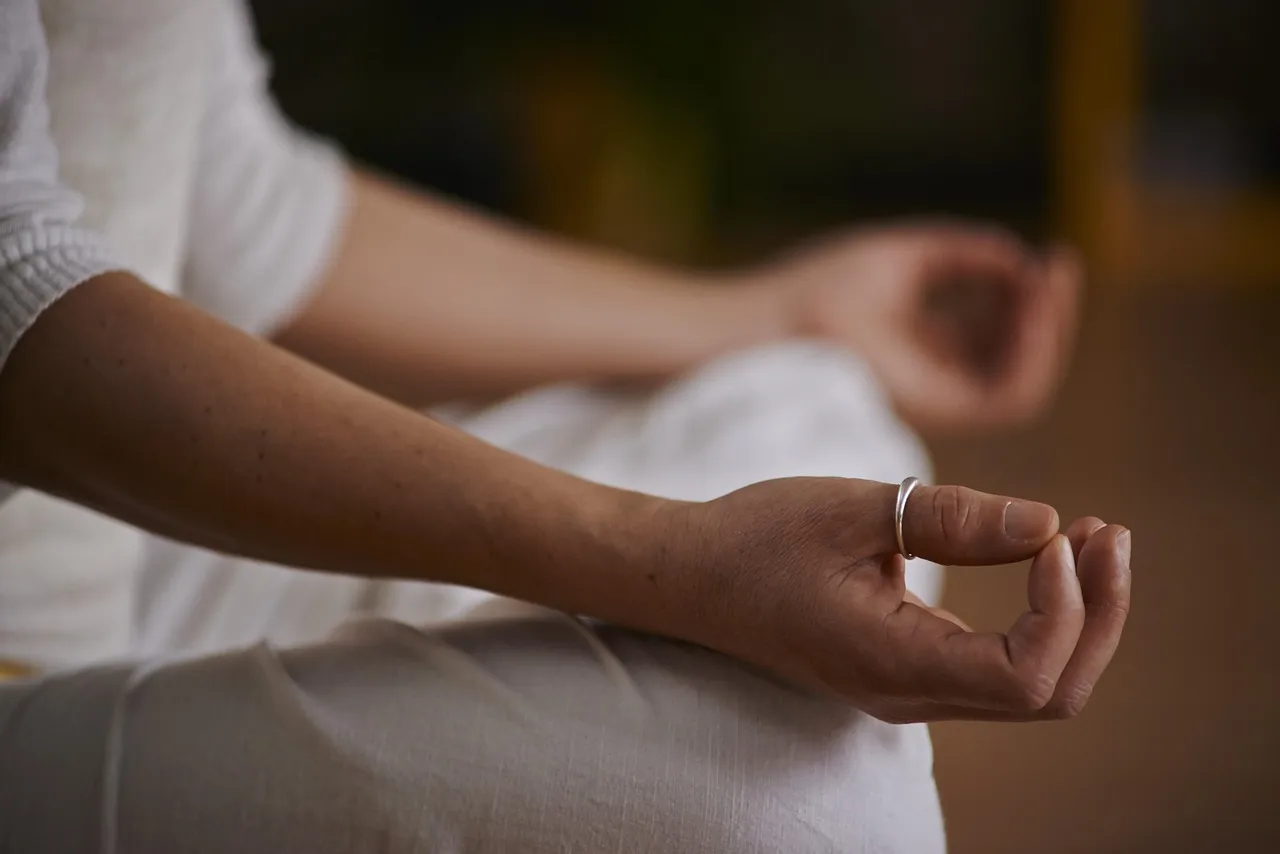
Sit upright with your feet flat on the floor (or crossed if that's more comfortable). Let your hands rest on your thighs, palms up or down—whichever feels natural. Close your eyes or soften your gaze downward. Spend 30 seconds just noticing how your body feels in the chair or cushion. This isn't about fixing anything; it's about arriving.
Step 2: Establish a Natural Breath
Breathe normally through your nose. Don't force a pattern. Notice the cool air entering your nostrils and the warmer air leaving. Let your shoulders drop away from your ears. If your mind wanders to your to-do list or a worry, that's fine—just gently return to the sensation of breathing.
Step 3: Scan Your Body
Starting at the crown of your head, bring your awareness slowly downward: forehead, eyes, cheeks, jaw, throat, shoulders, down the arms to the fingertips, across the chest, belly, lower back, hips, thighs, knees, shins, and feet. Don't try to change anything you notice; you're simply mapping where you feel alive and where you feel numb or held.
Step 4: Locate Your Center
Bring your attention to the area roughly two inches below your navel and about one-third of the way into your body. This region—called the lower dantian in Eastern traditions—often feels like a warm, quiet center. If you don't feel it immediately, that's normal. Imagine it as a glowing coal or pool of calm. Rest your attention there for several breaths.
Step 5: Recognize the Energy Channel
Envision a clear, luminous line running from the base of your spine, up through the center of your body, to the crown of your head. This is sometimes called the central channel. You're not creating energy from nothing—you're bringing awareness to what's already there. Breathe as if your breath travels up and down this line with each inhale and exhale.
Step 6: Activate the Root
Inhale and imagine energy gathering at the base of your spine. As you exhale, imagine it settling deeper, anchoring you to the earth. You might visualize a rich red or golden light. Repeat this for 4–6 breaths. This grounds the meditation and creates a felt sense of stability.
Step 7: Draw Energy Upward
On your next inhale, slowly guide the energy up from the base of your spine, imagining it moving like a ribbon of light through your central channel. As it rises, it passes through your lower belly, your heart center, your throat, and finally to the crown of your head. Take a full 4–5 seconds for the inhale. At the top, pause for 1–2 seconds, feeling the energy settle there.
Step 8: Release Energy Downward
On the exhale, let the energy cascade back down the front of your body—from the crown, down through your face, throat, chest, belly, and back to the base of your spine. Imagine it gathering there like water collecting in a pool. This completes one cycle. Repeat this up-and-down movement for 8–12 cycles, moving at whatever pace feels comfortable.
Step 9: Expand From Your Heart
Shift your focus to the center of your chest. On an inhale, imagine energy expanding outward from your heart in all directions—forward, back, left, right, up, and down. Visualize it as a warm, gentle sphere. Hold this expansion for a moment, then allow it to settle back to your center as you exhale. Repeat 4–6 times. This step often brings a sense of ease and spaciousness.
Step 10: Integrate the Whole Body
Return to the central channel, but this time imagine it radiating outward through every cell of your body—fingertips, toes, the crown of your head, all at once. Your entire body becomes a vessel for this calm, coherent energy. Breathe naturally and rest in this feeling for 6–10 breaths without trying to guide the energy. Just be present with it.
Step 11: Settle and Integrate
Let go of any visualization. Return to simple awareness of your breath and body. Notice how you feel—perhaps more spacious, grounded, or calm. There's no "correct" feeling; the practice works whether you feel a lot or a little. Sit quietly for 2–3 minutes, allowing the effects to settle into your nervous system.
Step 12: Close Gently
Take a deeper breath and wiggle your fingers and toes. Open your eyes slowly, letting them adjust to the light. Sit for another 30 seconds before standing, so your circulation adjusts. You're done.
Tips for Beginners
Don't expect fireworks. Some people feel tingling, warmth, or vibration during energy work; others feel nothing obvious. Neither result means you're doing it wrong. Benefits accumulate over practice—improved focus, steadier mood, better sleep—even when the meditation itself feels subtle.
Use your body as the anchor, not your imagination. If visualizing colored light feels forced, simply feel the physical sensations of your breath and body instead. The energy is real whether you "see" it or not.
Keep your posture open but relaxed. You don't need a perfectly straight spine, but avoid collapsing forward or leaning hard to one side. Think of yourself as a cup that's gently upright, ready to receive.
Practice at the same time each day. Your body loves rhythm. Even a 10-minute daily practice beats a 40-minute practice once a month. Morning or early evening tend to work best, though any time works if that's when you'll actually do it.
If your mind won't settle, count breaths. Some days meditation feels clear; other days your mind is a browser with too many tabs open. Count each cycle (inhale-exhale = one count) up to 10, then start over. This gives the busy mind a job.
Common Challenges and How to Handle Them
Tingling or Trembling: Mild physical sensations—especially in the hands, feet, or spine—are normal. Your nervous system is waking up. If it becomes uncomfortable, take a few normal breaths and ground yourself by pressing your feet into the floor. You can always slow down or stop.
Falling Asleep: If you doze off regularly, meditate sitting upright rather than lying down, and practice earlier in the day. It's not failure; it just means your body needed rest. But if you want to stay alert, sitting on a firm surface or meditating right after eating (when digestion naturally activates you) can help.
Feeling Nothing: This is the most common worry and the least important. Energy work isn't about feeling; it's about directing awareness. Even a "blank" meditation where nothing obvious happens is reshaping your nervous system and focus. Trust the process over a dozen sessions before deciding it's not for you.
Racing Thoughts: Your mind hasn't broken; it's just showing you what it always does. Instead of fighting thoughts, imagine they're clouds passing through the sky of your awareness. Note them and return to your breath or the energy channel. Consistency matters more than perfection here.
What the Research Actually Shows
Studies on meditation broadly—including energy-focused and visualization-based practices—suggest benefits for anxiety, blood pressure, focus, and emotional regulation. Research on this specific tradition is more limited, but practitioners and some clinical settings report measurable reductions in stress markers and improved sense of well-being. The mechanism isn't fully understood; it may involve the vagus nerve, shifts in brainwave patterns, or simply the effect of sustained attention on any focal point. What matters is that regular practice correlates with real improvements in how people feel and function.
Frequently Asked Questions
Do I need to believe in energy for this to work?
No. Think of "energy" as a metaphor for your attention and the physical sensations in your body. The mechanism doesn't change the outcome—consistent practice improves focus, calm, and body awareness regardless of your beliefs.
How often should I practice?
Daily is ideal, even for 10 minutes. Three to four times a week shows noticeable effects within 3–4 weeks. Once a week or less won't give you much; meditation benefits compound over consistent repetition.
Can I do this lying down?
You can, but sitting is better for staying awake and maintaining the sense of an "upright" central channel. If you have back pain or mobility issues, a reclined meditation chair or supported lying position is fine—just avoid total collapse.
What if I feel uncomfortable sensations during the practice?
Stop, breathe normally, and notice where the discomfort is without judgment. You might be releasing tension or simply working with an area of your body that holds stress. If pain is sharp or alarming, come back to natural breathing and ground yourself. Never push through sharp pain; gentle exploration is the goal.
How long before I notice benefits?
Many people report feeling calmer or more focused within the first few sessions. Deeper shifts—steadier mood, better sleep, clearer thinking—typically show up after 2–3 weeks of consistent practice. Give yourself at least 40 days before deciding whether it works for you.
Stay Inspired
Get a daily dose of positivity delivered to your inbox.