Healing Progressive Relaxation Meditation Guide: Step-by-Step Practice
Healing Progressive Relaxation Meditation
This 30 minutes progressive relaxation meditation is perfect for emotional restoration. Suitable for intermediate practitioners, it offers a step-by-step approach to developing mindful awareness and emotional balance.
Duration: 30 minutes | Level: Intermediate
Benefits
- Teaches discrimination between tension and relaxation
- Reduces physical symptoms of stress and anxiety
- Improves awareness of where you hold tension
- Effective for headaches, jaw clenching, and back pain
- Easy to learn and practice independently
Preparation
Find a space that feels safe and welcoming. Whether indoors or outdoors, ensure you can maintain your chosen posture without strain. A blanket nearby can help if you tend to get cold.
Step-by-Step Guide
- Get Comfortable
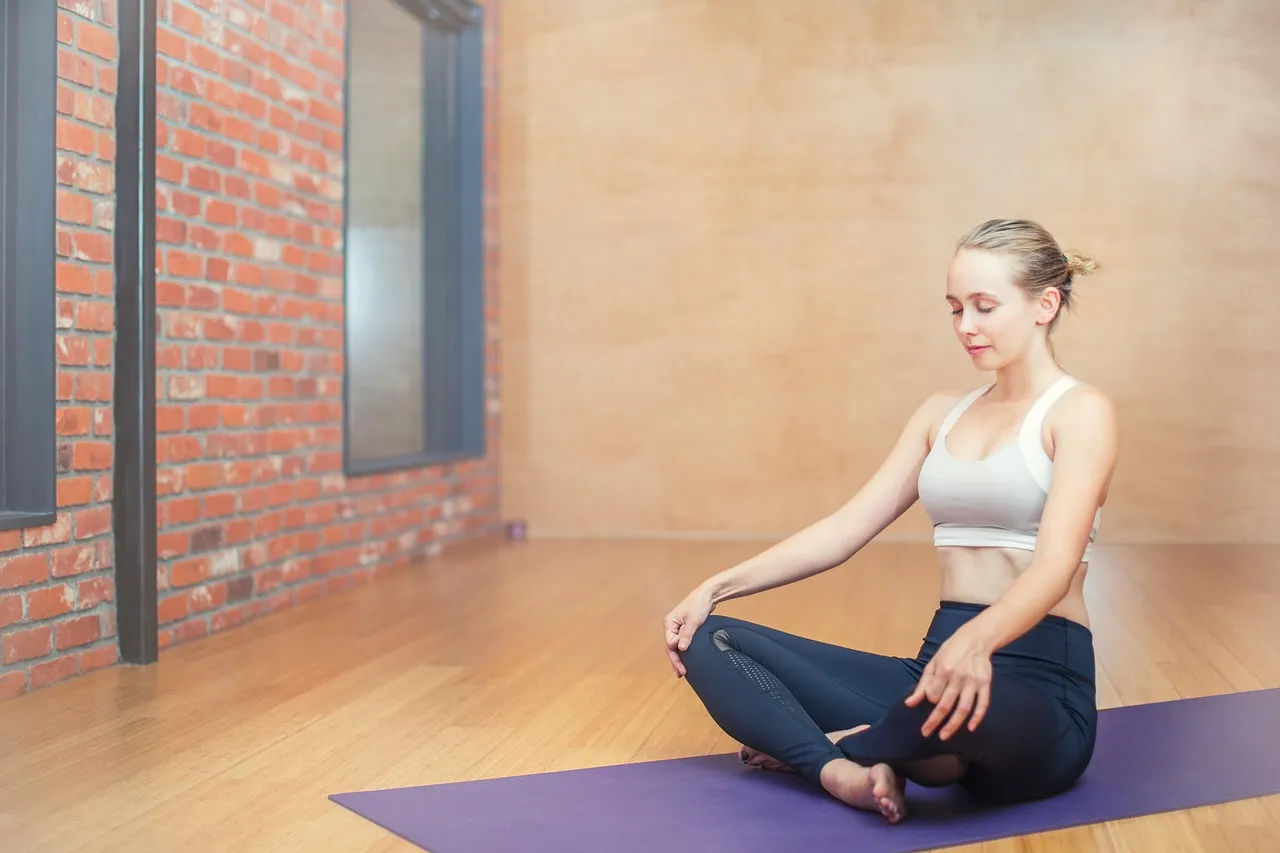
Lie on your back or sit in a supportive chair. Close your eyes and take three deep breaths to signal your body that relaxation is beginning.
- Feet and Calves
Curl your toes tightly and tense your feet and calves. Hold for 5-7 seconds, noticing the tension. Then release completely. Feel the contrast between tension and relaxation.
- Thighs and Hips
Press your thighs together and squeeze your gluteal muscles. Hold the tension for 5-7 seconds. Release and notice the warmth that flows into the relaxed muscles.
- Abdomen and Chest
Tighten your abdominal muscles as if bracing for impact. Hold. Release. Then take a deep breath to expand your chest, hold, and let it all go with a sigh.
- Hands and Arms
Make tight fists and flex your biceps. Hold the tension while noticing exactly where you feel it. Release and let your arms fall heavy at your sides.
- Shoulders, Neck, and Face
Raise your shoulders to your ears, clench your jaw, squeeze your eyes shut, and furrow your brow. Hold everything tight. Release all at once and feel the wave of relaxation.
- Full Body Integration
Scan your entire body for any remaining tension. Breathe into those areas and release. Rest in this state of total relaxation for several minutes.
Tips for Practice
- Do not judge your experience. Restless meditation is still meditation.
- After practice, take a moment to notice how you feel before jumping into activity.
- Keep a brief journal of your meditation experiences to track patterns and progress.
- Try different styles to find what resonates with you; there is no one right way.
- Remember that the goal is not to stop thinking but to change your relationship with thoughts.
What Research Says
Edmund Jacobson original research and subsequent meta-analyses confirm that progressive muscle relaxation reduces physiological tension, anxiety, and chronic pain symptoms.
Stay Inspired
Get a daily dose of positivity delivered to your inbox.