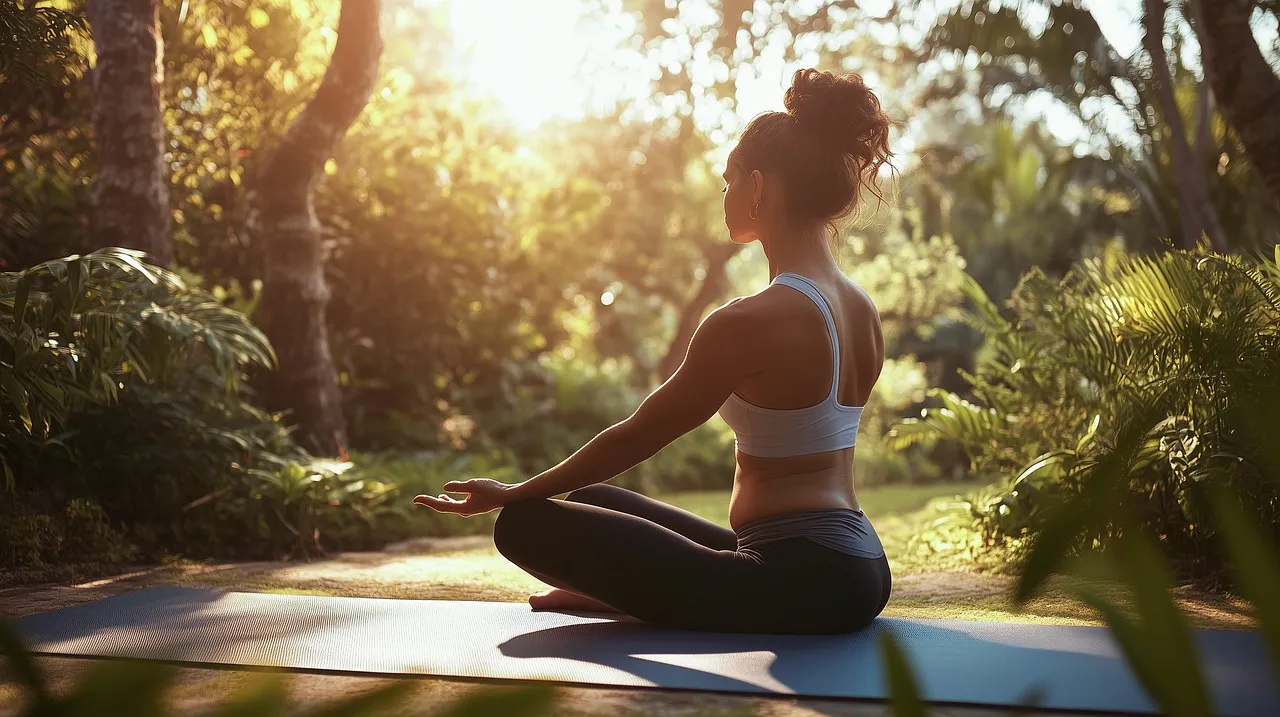
Healing Gratitude Meditation Guide: Step-by-Step Practice
Gratitude meditation is a simple but potent practice that teaches your mind to recognize abundance in everyday life—not through toxic positivity or forced thankfulness, but through genuine, felt appreciation. If you're looking to deepen your emotional resilience, quiet anxiety, or simply feel more grounded when life feels overwhelming, this guided practice offers a structured way to rewire how you relate to what you already have. This guide walks you through a complete 15–20 minute meditation designed for beginners and experienced practitioners alike.
What You'll Need
This meditation requires almost nothing, which is part of its power. Here's what genuinely helps:
- A quiet space — Ideally somewhere you won't be interrupted for 15–20 minutes. A bedroom, office, or even a car works. Silence is nice but not essential; gentle background noise is fine.
- A comfortable seat — Sit on the floor with a cushion, in a chair with your feet flat, or on the edge of your bed. Your spine should feel naturally upright but not rigid. Lie down only if you're confident you won't fall asleep.
- Optional: a pen and paper — Some people find it helpful to write down one or two gratitude observations after meditating while the feeling is fresh.
- A timer — Your phone works. Set it for 20 minutes if you're new to this, or 15 if time is tight. This removes the "How long have I been here?" anxiety.
- A light shawl or blanket — Optional, but your body temperature can drop during meditation. This small comfort keeps you from being distracted.
Don't overthink the environment. The practice itself carries the benefit, not the aesthetic.
The Meditation Practice: A Step-by-Step Guide
Read through all steps first so you have the flow in mind, then either return here to reference as you practice, or play a soft audio recording of yourself reading the prompts. The meditation unfolds in three phases: grounding, gratitude exploration, and integration.
Phase 1: Grounding (2–3 minutes)
- Settle into position. Sit or lie down, allowing your body to make contact with the seat beneath you. Feel the full weight of your body supported. Notice where your hands rest—palms up or down, whichever feels natural.
- Close your eyes gently or soften your gaze downward. Take three deliberate breaths without trying to control them—just notice the rhythm your body naturally wants.
- Scan your body from the crown of your head down to your feet. Don't try to relax anything; simply notice: Where do you feel tension? Where do you feel ease? Where is there temperature, tingling, or heaviness? Spend about 10 seconds on each region (head, neck, chest, belly, arms, legs, feet). This isn't about fixing anything—it's about arriving.
Phase 2: Gratitude Exploration (12–15 minutes)
- Bring to mind someone or something you appreciate. It doesn't have to be profound. It could be a friend, a family member, a pet, or even something physical—a favorite book, a place that calms you, a meal you love. Let the image or feeling arrive naturally; don't force it. Notice where you feel this gratitude in your body. Does it warm your chest? Soften your face? Make your shoulders drop? Sit with this sensation for 30–45 seconds.
- Now shift to something you appreciate about yourself or something you did. This feels harder for many people, so be gentle. It could be: "I showed up today," "I handled a difficult conversation thoughtfully," "I have a body that lets me move," "I'm trying." Feel where this self-appreciation lands. Often it's smaller, quieter, than appreciation for others—that's normal. Let it be what it is. Stay for 30–45 seconds.
- Expand to something material you often take for granted. Hot water. Electricity. A comfortable bed. The ability to read. A phone that connects you to people. Don't recite these like a list; pick one and feel it. "I can turn a handle and have clean water" is different than "I'm grateful for water"—one lands in your body, the other is intellectual. Sit with the felt sense for 30–45 seconds.
- Bring to mind a challenge or difficult emotion you're currently facing. This might seem odd in a gratitude practice, but it works. Now ask: What has this challenge taught me? What strength am I building? What am I learning about what matters? The gratitude here isn't "I'm grateful for suffering"—it's "I see how this is changing me." This takes longer: 60–90 seconds.
- Expand your awareness to include people in your life, even casual ones. The cashier who was kind. The friend who listened. A family member who showed up. Someone online who shared something that moved you. Let these micro-connections surface. You don't need to conjure deep feeling; notice the simple fact that other humans exist and some of them have touched your life. Spend 45 seconds here.
- Open your awareness to what you can perceive right now. The air touching your skin. Sounds in the room or outside. Light or darkness. Your own breath. The fact that you're alive and conscious, reading or listening to these words. This isn't sentimental—it's noticing what's objectively here. Spend 60 seconds in this wider awareness.
- Now gently release the practice. Let your attention come back to the room. Notice your breath slowing or quickening. Feel your body again. Spend 30 seconds in this transition space before opening your eyes.
- Before you get up, sit for one more moment. You've spent 15–20 minutes rewiring a small part of how your brain notices what's already present. That work doesn't evaporate the moment you move. Carry the quietness with you for at least five minutes if you can.
Tips for Beginners and Common Challenges
"I can't stop my mind from wandering." That's the entire practice. The mind wanders; you notice it's wandered; you gently return attention. You're not failing when your mind goes to your to-do list—you're succeeding at the part where you notice and come back. Do that 200 times in 20 minutes, and you've completed the meditation beautifully.
"I don't feel grateful. This feels fake." You don't have to feel anything. The gratitude meditation isn't about manufacturing positive emotion; it's about directing your attention toward what's already here. If you're noticing "I have a chair," that's enough. The feeling often follows the attention, but not always, and that's fine.
"I feel emotional or teary." This is common and healthy. Gratitude practice can surface grief, longing, or tenderness you've been suppressing. Let it move through. Crying in meditation is not a sign you're doing it wrong—it's often a sign you're doing it deeply. Keep a tissue nearby and continue the practice if you can.
"What if I'm struggling to find anything to be grateful for?" Start smaller. Not "I'm grateful for my health" (too big when you're struggling), but "My eyes can see this wall." "I took a breath just now." "That person texted me." The practice doesn't require grand realizations. It requires noticing what's factually, measurably present.
"Should I do this every day?" Three to four times per week shows up in most research about consistency and benefit. Daily is wonderful if it works for your life; once a week is better than never. Pick a rhythm that feels sustainable to you.
Why This Practice Works
Gratitude meditation sits at the intersection of neuroscience and contemplative tradition. Research suggests that when you deliberately attend to appreciation and abundance, even small ones, you're literally training your brain's attention networks. The parts of your brain that scan for threats (evolved to keep you alive) are quieted, and the networks involved in social bonding, reward processing, and felt safety activate instead.
This doesn't mean positive thinking solves real problems. But when anxiety or overwhelm becomes chronic, your threat-detection system becomes overactive—you notice the one criticism in ten pieces of praise, the one bill you can't pay, the one relationship that's struggling. Gratitude practice doesn't deny these things; it gives your brain permission to also register what's working, what's steady, what's already there. That balance changes your baseline.
Many practitioners report that regular gratitude meditation gradually shifts how they move through the day—not toward relentless optimism, but toward a more honest, grounded sense of "This is hard, and I also have resources. This person hurt me, and I also have people who love me." That's the real shift: not replacing difficulty with positivity, but expanding your perceptual range to include both.
Frequently Asked Questions
Can I do this meditation lying down?
Yes, though sitting is often preferred because the slight engagement of the spine helps many people stay alert without being drowsy. If lying down is what you have, use it—a meditation you actually do beats a perfect one you skip. If you find yourself consistently falling asleep, try sitting instead.
What if I notice painful memories or regret during the practice?
This is normal. Gratitude meditation doesn't suppress difficult emotions; sometimes it creates space for them to surface. If intense grief or trauma arises, it's okay to pause, take some breaths, and either continue more gently or stop and return another day. If you're working with a therapist, mention this experience—they can help integrate it. You don't have to white-knuckle through difficult feelings during meditation.
How long before I notice a difference?
Some people feel calmer immediately after a single session. Others take several weeks of regular practice before they notice shifts in mood, sleep, or how they respond to stress. Your nervous system isn't broken and doesn't need "fixing"—it's just learning a new way to organize itself. Be patient with this.
Can I use a guided audio recording instead of reading through the steps?
Absolutely. Many people prefer hearing a voice. If you record your own voice reading these steps, you'll often find that most effective—it's your rhythm, your pace, your familiarity. You can also search for "gratitude meditation" on meditation apps, though this practice is specific enough that a personalized recording might serve you better.
I'm struggling with depression or anxiety. Is this meditation safe for me?
Gratitude meditation is generally gentle and can support wellbeing, but it's not a substitute for professional care. If you're working with a therapist or psychiatrist, mention that you're adding this practice. Some people with certain mental health conditions find that focusing inward can amplify distress—you know yourself best. Use the practice as a complement to professional support, not a replacement for it.
Stay Inspired
Get a daily dose of positivity delivered to your inbox.