Gentle Gratitude Meditation Guide: Step-by-Step Practice
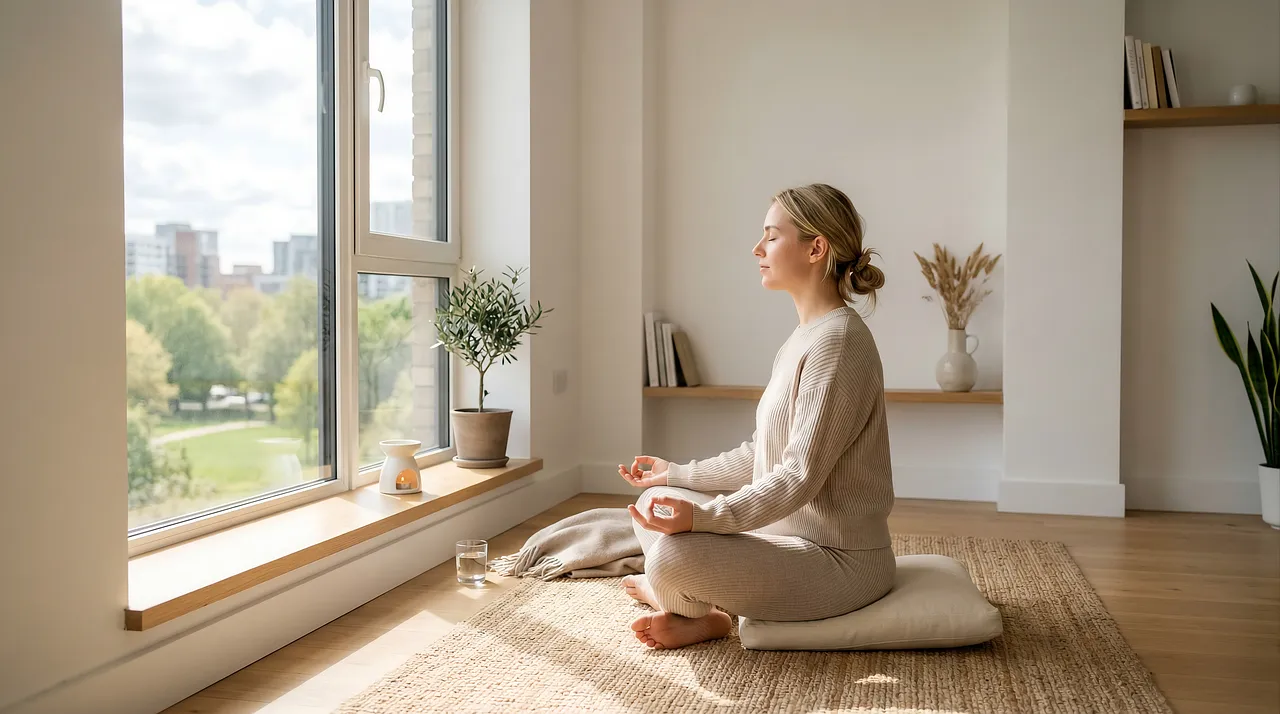
Gratitude is often spoken of as a practice, but rarely is it taught as one. This gentle meditation is designed for anyone feeling emotionally heavy, mentally scattered, or simply out of touch with life’s quieter gifts. It’s not about forcing positivity, but about softening enough to notice what’s already supportive in your experience. Whether you're new to meditation or returning after time away, this step-by-step guide offers a grounded way to cultivate awareness of gratitude without strain or spiritual jargon.
Who This Practice Helps
This meditation is especially helpful for people navigating stress, low mood, or fatigue—conditions that can narrow attention to what’s lacking. By gently redirecting focus to small, often overlooked sources of support, it helps restore balance in perception. It’s also useful for those in transition, recovery, or caregiving roles, where emotional reserves may feel depleted. The practice doesn’t dismiss difficulty; it simply makes space for what else is also true.
What You'll Need
This practice requires minimal setup. The goal is accessibility, not perfection.
- Posture: Sit in a chair with feet flat on the floor, spine upright but not rigid. Alternatively, lie down if sitting causes discomfort. The spine should be supported, not strained.
- Setting: Choose a quiet space where interruptions are unlikely. Turn off notifications. Natural light is helpful but not required.
- Time: Allow 10–15 minutes. You can extend it once familiar with the steps.
- Optional Props: A cushion under the sit bones, a folded blanket under the knees if lying down, or a light shawl if you tend to feel cold.
Step-by-Step Practice: Gentle Gratitude Meditation
Follow these steps at your own pace. There’s no need to rush. If your attention wanders—whether to a sound, a worry, or a bodily sensation—gently return to the last step you remember. There is no failure in distraction; returning is the practice.
- Settle into Stillness
Close your eyes or soften your gaze downward. Take three slow breaths, letting the exhale be slightly longer than the inhale. Notice the points where your body makes contact with the chair or floor. Feel the weight of your hands in your lap. Allow your jaw to unclench. There’s no need to change anything—just to arrive. - Anchor in the Body
Bring attention to your feet. Feel their shape, temperature, pressure against the floor or socks. If you can’t feel them clearly, that’s fine—just imagine the sensation of support beneath them. Then shift awareness upward: calves, thighs, sitting bones. Notice any areas of tension without trying to fix them. Simply name them silently: “tightness in shoulders,” “tingling in hands.” This grounding helps stabilize attention. - Notice the Breath Without Changing It
Observe the natural rhythm of your breath for one full minute. Don’t deepen or slow it. Just notice: the coolness of air at the nostrils, the slight rise of the chest or belly. When thoughts arise—and they will—acknowledge them briefly (“planning,” “worrying”) and return to the breath. Each return is a quiet act of care. - Recall a Simple Act of Support
Think of something ordinary that helped you today. It could be as small as a glass of water, a door held open, or a patch of sunlight on the floor. Don’t force a positive emotion. Just hold the image or memory lightly. Ask yourself: “What allowed this moment to happen?” You might realize clean water, someone’s attention, or the sun’s presence. Let that recognition settle. - Shift to Bodily Gratitude
Bring attention to a part of your body you usually overlook. It might be your liver, your spine, or your skin. Acknowledge its quiet work: filtering, holding you upright, protecting. Say inwardly, “Thank you for working without my attention.” This isn’t about forcing affection, but about recognition—like noticing a quiet colleague who keeps things running. - Recall a Person Who Offered Quiet Kindness
Think of someone who helped you without fanfare—a neighbor who waved, a cashier who smiled, a friend who listened. Picture their face or gesture. Notice how their action, however small, shifted your experience. You don’t need to feel overwhelming emotion. Just register the impact: “That mattered.” If no one comes to mind, consider a stranger whose presence felt safe or neutral. - Notice an Object That Serves You
Look around (if eyes are open) or recall an object: a lamp, a chair, a book. Consider its purpose. “This gives light,” “This holds me,” “This holds knowledge.” Acknowledge the chain of effort behind it—someone designed it, made it, transported it. You don’t need to feel grateful for every object, just one that’s useful right now. - Feel the Support of the Earth
Imagine the ground beneath you—concrete, soil, wood. Feel how it holds your weight without complaint. Visualize roots extending from your body into the earth, not pulling, but resting. Say silently, “I am supported.” This isn’t metaphorical. The planet literally bears your weight. Let that physical truth be enough. - Notice What’s Already Okay
Scan your current experience. Is there any part of it that’s neutral or slightly comfortable? Maybe your breathing is smooth, or the room is quiet. Don’t magnify it—just notice. “The light is soft,” “My shoulders are still.” This step isn’t about ignoring pain, but about making room for what’s also true: some things are working. - Close with a Quiet Intention
Place one hand over your heart, or both hands in your lap. Say silently, “I allow myself to notice what helps.” No need to feel transformed. Just acknowledge that you’ve taken time to pause, and that’s meaningful. Then, when ready, open your eyes slowly.
Tips for Beginners
Starting a meditation practice can feel awkward, especially if you expect immediate calm or insight. These specific suggestions can help you stay with the process without self-judgment.
- If your mind races: Label thoughts as they arise—“remembering,” “worrying,” “planning”—and return to the current step. Naming reduces their grip.
- If you feel nothing: That’s common. Gratitude isn’t always emotional. Recognition without feeling is still a form of awareness. Keep showing up.
- If you feel impatient: Set a timer for five minutes. Shorter sessions build consistency. You can always extend later.
- If physical discomfort arises: Adjust your posture gently. You don’t need to endure pain. Comfort supports attention.
- If you forget the steps: Print this guide or record yourself reading the steps slowly. Listen afterward as a reference.
Common Challenges and Practical Solutions
Many people assume meditation should feel peaceful. When it doesn’t, they stop. Below are frequent experiences and ways to work with them.
- “I don’t have time.” Start with two minutes. Even a brief pause can shift your attention. Anchor the practice to an existing habit—after brushing your teeth, before checking your phone.
- “I can’t stop thinking.” Thinking isn’t failure. The practice is noticing and returning. Each return strengthens awareness, like a mental muscle.
- “I feel guilty being grateful when others suffer.” Gratitude isn’t denial. It’s a way of seeing clearly—what’s difficult and what’s supportive. Acknowledging one doesn’t erase the other.
- “I feel nothing in my body.” This can happen with stress or dissociation. Start with external anchors: the sound of a clock, the color of a wall. Gradually return to internal sensations.
- “I get sleepy.” Try sitting upright, opening a window, or practicing earlier in the day. Fatigue is common when the nervous system relaxes after prolonged stress.
What Research Suggests
Studies on gratitude practices indicate modest but meaningful shifts in emotional regulation and attention over time. Many practitioners report increased sensitivity to positive experiences, not because life changes, but because awareness does. Brain imaging studies suggest repeated gratitude exercises may strengthen neural pathways associated with reward and social connection. The effects are subtle and cumulative—more like learning to notice color than suddenly seeing rainbows everywhere.
Frequently Asked Questions
How often should I do this meditation?
Two to three times per week is a reasonable starting point. Daily practice deepens familiarity, but consistency matters more than frequency. Even once a week can help maintain awareness over time.
Can I do this if I’m not spiritual?
Yes. This practice doesn’t require belief in any system. It’s about attention and recognition—skills available to anyone, regardless of worldview. You’re not worshipping or invoking; you’re noticing.
What if I don’t believe in gratitude?
You don’t need to. This isn’t about forcing a feeling. It’s about training attention to include what’s supportive, alongside what’s difficult. Think of it as balance, not belief.
Can I modify the steps?
Absolutely. If a step doesn’t resonate, skip it. If you prefer to keep your eyes open, do so. The structure is a guide, not a rule. The only requirement is gentle attention.
Is this the same as positive thinking?
No. Positive thinking often involves replacing negative thoughts with positive ones. This practice is about widening attention to include what’s already present and helpful—not denying hardship, but not letting it occupy all the space.
Stay Inspired
Get a daily dose of positivity delivered to your inbox.