Deep Gratitude Meditation Guide: Step-by-Step Practice
Gratitude meditation differs from general mindfulness because it actively directs your attention toward appreciation—not as a performance of positivity, but as a genuine practice of noticing what sustains you. This guide walks you through a structured meditation that takes 15–20 minutes and can be practiced daily or whenever you need to shift from rumination into a clearer mental space. It works for people who find traditional meditation too abstract, those recovering from difficult periods, or anyone who wants to interrupt cycles of worry and complaint.
What You'll Need
Physical Setup: Find a quiet space where you won't be interrupted—a bedroom corner, living room chair, or outdoor spot. You don't need special equipment, but consider what supports your body:
- A chair with back support, or a cushion if sitting on the floor
- Optional: a blanket if you tend to get cold while still
- Optional: a journal nearby to jot notes after practice (helpful for retention)
Time: Plan for 15–20 minutes uninterrupted. Silence your phone or turn it to airplane mode.
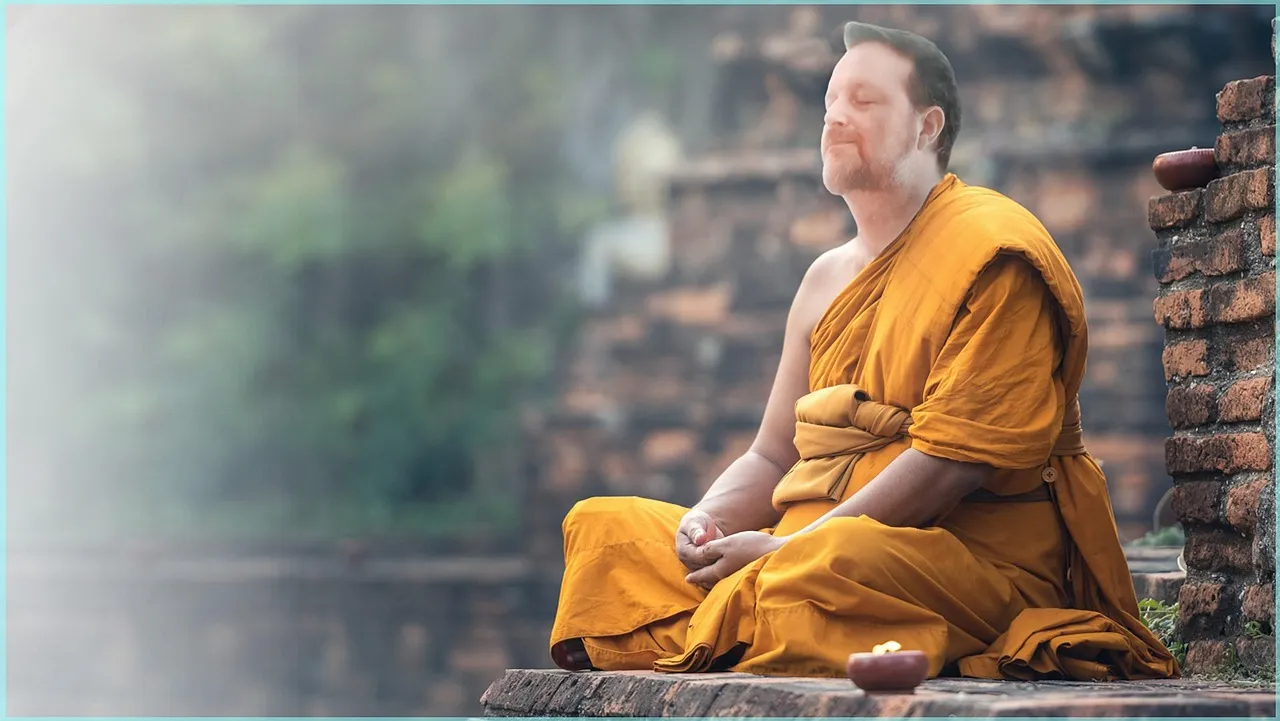
Posture: Sit upright but comfortable—shoulders relaxed, spine neutral, feet flat on the floor or folded beneath you. Your hands can rest palms-up or palms-down on your lap; some people find a slight mudra (thumb and forefinger touching) helpful for focus.
The Guided Practice: 10 Steps
Step 1: Settle Your Body
Sit down and take three deliberate breaths—in through your nose, out through your mouth. Let each exhale be slightly longer than the inhale. This signals to your nervous system that you're transitioning into a slower pace. Scan from the crown of your head down to your feet; notice any tension and consciously soften it.
Step 2: Establish a Natural Breath Pattern
Stop controlling your breath. Let it find its own rhythm—no counting, no effort. Simply observe the coolness of air entering your nostrils and the warmth of it leaving. This is your anchor; if your mind wanders, return here.
Step 3: Recall a Moment of Genuine Care
Think of someone or something that clearly benefits your life—a person who listens, a pet, your body's ability to move, a skill you've developed. Don't force intensity; let one specific example surface naturally. This primes the gratitude circuit of your mind.
Step 4: Notice the Physical Sensation
As you hold that person or thing in mind, where do you feel it in your body? Many people report a softening in the chest, a warmth, or a slight lightness in the shoulders. There's no "correct" sensation; you're simply training awareness. Spend 30–60 seconds here.
Step 5: Expand to Specific Reasons
Now ask yourself quietly: Why does this matter to me? Not in an intellectual way, but as a lived fact. "They listen without judgment" or "I can walk without pain" or "I learned to cook." Be concrete. Two or three specific reasons are enough.
Step 6: Acknowledge the Condition
Here's where this meditation differs from simple positive thinking: recognize that this good thing is contingent—it exists now, and you might not always have had it, or might not always keep it exactly as it is. This isn't pessimism; it's clarity. "I'm grateful for their presence while they're here" or "My health is a gift I want to protect." This awareness deepens gratitude rather than diminishing it.
Step 7: Extend Outward
Now bring to mind the web of conditions that made this good thing possible. If you're grateful for a relationship, think briefly of the family, chance meetings, or choices that led to it. If you're grateful for your health, consider the doctors, your body's natural resilience, or the meals that nourished you. You're not doing anything—just noticing the interconnection.
Step 8: Shift to a Broader Landscape
Without trying to maintain intensity, expand your awareness to other areas of your life. Your shelter. Water when you're thirsty. The ability to read. Moments of laughter. A mistake you learned from. Don't force a smile or artificially amplify emotion; let appreciation settle like snow accumulating. Spend 2–3 minutes here, moving gently from one thing to another.
Step 9: Recognize Difficulty Held Alongside
This step is optional but powerful: if you're in a hard season, acknowledge what's challenging while staying rooted in what's still present. "I'm grieving this loss, and I'm also held by my community." "I'm worried about my health, and my body is working for me right now." Gratitude isn't about denying pain; it's about seeing both.
Step 10: Return and Rest
Bring your attention back to your natural breath for 3–5 cycles. When you're ready, open your eyes slowly. Sit for another 30 seconds before moving; this prevents disorientation and lets the practice integrate.
Tips for Beginners and Common Challenges
Feeling inauthentic: If gratitude practice feels hollow at first, you're not alone. Start with something so obvious you can't argue with it—water, air, a functioning sense organ. Authenticity builds with repetition; forced emotion doesn't. It's fine to practice gratitude for "small" things while working through genuine difficulties elsewhere.
Getting distracted or restless: If your mind wanders constantly, anchor each step to a physical cue—place your hand over your heart during Step 4, or touch your thumb and forefinger when you reach Step 7. Movement can also help; some people practice walking gratitude meditation instead of sitting.
Emotional overwhelm: If the practice triggers tears or unexpected sadness, that's not a failure. Gratitude often touches grief—they're neighbors. If it feels too intense, shorten your practice to 5–10 minutes or skip Step 9 until you're more settled.
Skepticism about the effects: You might not feel different after one session, and that's typical. This practice is cumulative; the shifts appear over days or weeks as a subtle recalibration of what you notice.
What the Research Suggests
Gratitude practice is one of the more studied meditation approaches. Research suggests regular practice is associated with improved mood, better sleep, stronger relationships, and reduced rumination. The mechanism seems to involve shifting attention toward positive stimuli and rewiring which memories your brain retrieves automatically. This isn't mystical; it's how attention works. Repeated focus reshapes your perceptual baseline.
Frequently Asked Questions
How often should I practice?
Daily is ideal for building habit and cumulative benefit, even if it's just 10 minutes. That said, 3–4 times per week is enough to notice effects. Consistency matters more than length.
What if I'm going through something really difficult right now?
Gratitude meditation isn't a replacement for professional support if you're struggling with depression, trauma, or crisis. It can work alongside therapy or counseling, but start gently. Some days, you might practice only Steps 1–4, and that's fine. The goal isn't forced positivity; it's training your awareness to hold multiple truths at once.
Can I practice this lying down?
Sitting is preferable because lying down can blur the line between meditation and sleep, and you'll lose the postural anchor. If sitting isn't physically possible, upright is better than horizontal—even a reclining chair works better than a bed.
What if I can't think of things I'm grateful for?
Start absurdly small: you don't have a toothache right now. Your eyes can see color. You survived this day. Once the practice becomes familiar, deeper gratitudes emerge. Also consider gratitude for challenges—a failure taught you something, a loss clarified what matters. These aren't cheerful, but they're genuine.
Does this work for people who are naturally pessimistic?
Yes. In fact, people prone to worry and negative thought patterns often report the strongest shifts from consistent practice. Gratitude meditation isn't about personality type; it's about where you direct attention. Like any skill, it improves with use.
Stay Inspired
Get a daily dose of positivity delivered to your inbox.