Kenya’s Solar Mini-Grids Bring Electricity to Remote Villages
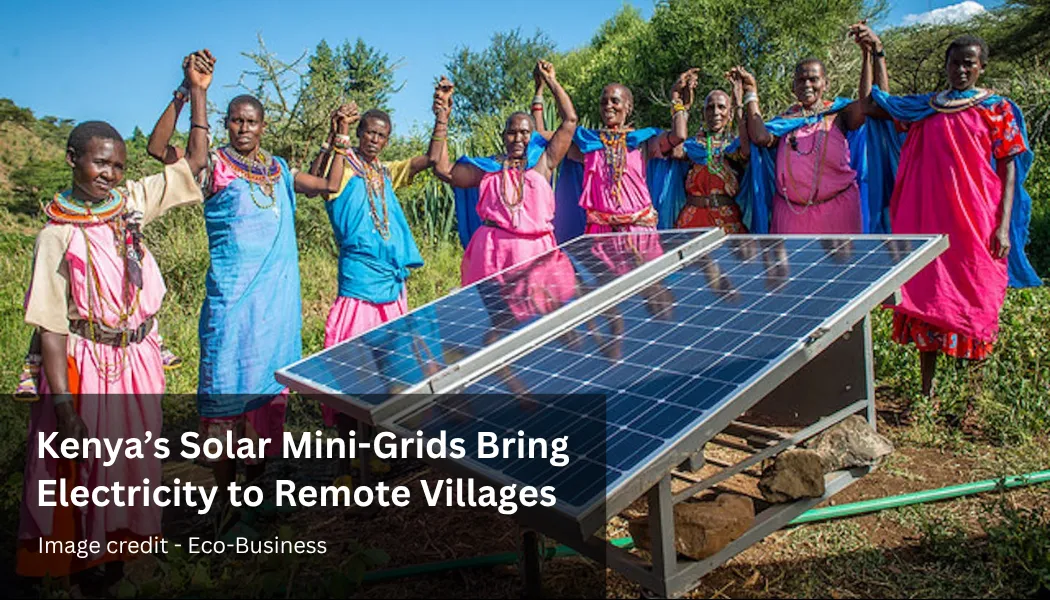
In a powerful step toward energy inclusion and sustainable development, Kenya is transforming the lives of rural communities through solar mini-grids. These small-scale, decentralized power systems are bringing reliable electricity to remote villages that were once beyond the reach of traditional power infrastructure.
This initiative is more than just an energy solution — it’s a pathway to opportunity, growth, and a better quality of life.
The Challenge of Rural Electrification
In many parts of rural Kenya, access to electricity has historically been limited.
Remote villages often face:
High costs of extending national power grids
Difficult terrain that makes infrastructure development challenging
Low population density, reducing economic feasibility
As a result, many communities have relied on kerosene lamps, diesel generators, or gone without electricity altogether.
These options are not only expensive but also harmful to health and the environment.
What Are Solar Mini-Grids?
Solar mini-grids are localized energy systems that generate electricity using solar panels and distribute it within a small community.
They typically include:
Solar panels to capture sunlight
Battery storage systems to store energy
Distribution networks to supply electricity to homes and businesses
Unlike large national grids, mini-grids operate independently, making them ideal for remote areas.
Bringing Light to Remote Villages
Across Kenya, solar mini-grids are lighting up homes, schools, and businesses.
For the first time, many households now have access to:
Electric lighting
Phone charging
Refrigeration
Power for small appliances
This access transforms daily life, making it safer, more productive, and more connected.
Transforming Education
Electricity has a significant impact on education in rural areas.
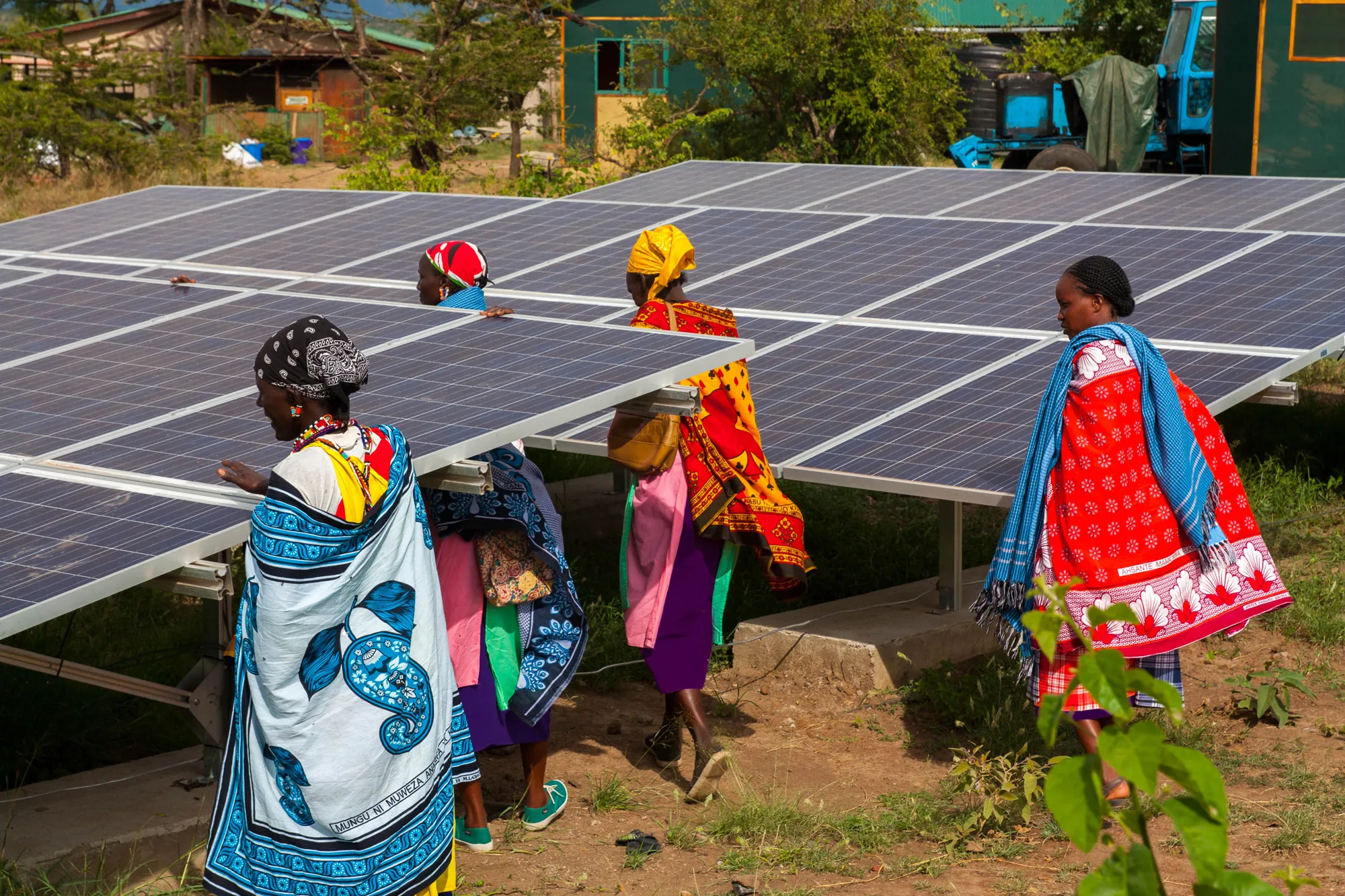
credit - Green Building Africa
With solar mini-grids:
Students can study after dark
Schools can use digital tools and lighting
Teachers can improve learning environments
Access to electricity opens up new possibilities for learning and skill development.
Boosting Local Economies
Energy access is a key driver of economic growth.
Solar mini-grids enable:
Small businesses to operate longer hours
New enterprises such as shops, workshops, and services
Agricultural improvements through irrigation and storage
Entrepreneurs can expand their activities, increasing income and creating jobs within the community.
Health and Environmental Benefits
Replacing traditional energy sources with solar power brings major health and environmental advantages.
Cleaner Air
Solar energy eliminates the need for kerosene lamps, reducing indoor air pollution.
Reduced Carbon Emissions
Renewable energy helps lower greenhouse gas emissions.
Improved Safety
Electric lighting reduces the risk of accidents and fires.
Organizations like the World Bank support such initiatives as part of global efforts to expand energy access sustainably.
Empowering Communities
One of the most impactful aspects of solar mini-grids is community empowerment.
Local residents often participate in:
Managing and maintaining systems
Making decisions about energy use
Supporting sustainable practices
This creates a sense of ownership and ensures long-term success.
Overcoming Challenges
While solar mini-grids offer many benefits, there are challenges to address:
Initial installation costs
Maintenance and technical support
Ensuring affordability for users
Expanding systems to reach more communities
However, partnerships between governments, private companies, and international organizations are helping overcome these barriers.
A Model for Sustainable Development
Kenya’s success with solar mini-grids is inspiring other countries facing similar challenges.
It demonstrates that:
Renewable energy can reach even the most remote areas
Decentralized systems can be effective and scalable
Sustainable solutions can drive social and economic progress
This approach aligns with global development goals focused on universal energy access.
Lighting the Path Forward
As technology advances and costs decrease, solar mini-grids are expected to expand further across Kenya.
More villages will gain access to reliable, clean electricity — opening doors to education, healthcare, and economic opportunity.
Final Thoughts
By bringing solar mini-grids to remote villages, Kenya is lighting the way toward a more inclusive and sustainable future.
This initiative shows that energy is not just about power — it’s about possibility.
Because when a village gains electricity, it doesn’t just turn on the lights… it turns on opportunity.
Stay Inspired
Get a daily dose of positivity delivered to your inbox.