India’s Tiger Population Reaches Record High
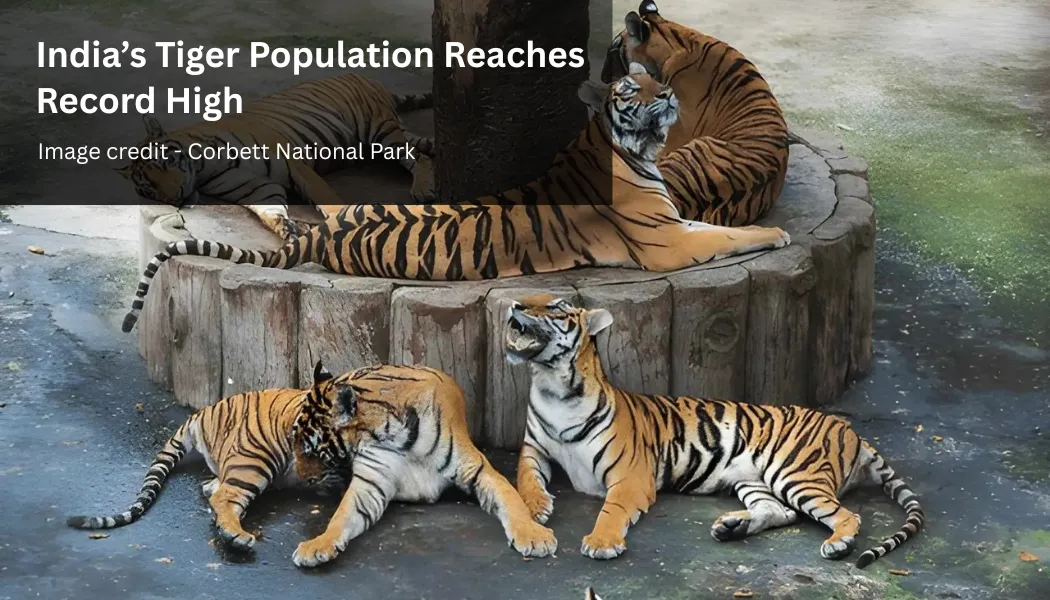
In a remarkable conservation success story, India has achieved a record high in its tiger population — a milestone that reflects decades of dedicated efforts to protect one of the world’s most iconic and endangered animals, the Bengal tiger.
Once facing a steep decline due to poaching and habitat loss, India’s tigers are now making a strong comeback — offering hope for wildlife conservation across the globe.
A Symbol of Strength and Survival
The Bengal tiger is not just a species; it is a symbol of India’s natural heritage and ecological richness.
Found in forests, grasslands, and mangroves, these majestic predators play a crucial role in maintaining ecological balance by regulating prey populations.
However, by the late 20th century, tiger numbers had dropped alarmingly due to:
Illegal poaching
Habitat destruction
Human-wildlife conflict
The situation demanded urgent action.
Project Tiger: A Turning Point
In 1973, India launched Project Tiger, a nationwide initiative aimed at protecting tigers and their habitats.
This program focused on:
Creating protected tiger reserves
Strengthening anti-poaching measures
Monitoring tiger populations
Promoting conservation awareness
Over time, Project Tiger became one of the most successful wildlife conservation programs in the world.
Expanding Protected Areas
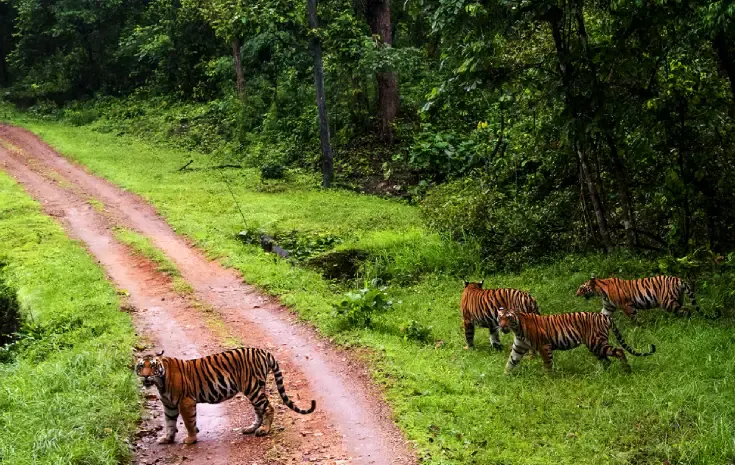
credit - Corbett National Park
India has significantly increased the number of protected tiger reserves across the country.
These reserves provide safe habitats where tigers can:
Hunt naturally
Breed without disturbance
Maintain healthy populations
Well-known reserves such as Jim Corbett National Park and Ranthambore National Park have become strongholds for tiger conservation.
Technology and Monitoring
Modern technology has played a crucial role in tracking and protecting tigers.
Conservationists use:
Camera traps to monitor movement
GPS tracking for studying behavior
Data analysis to estimate population size
These tools help ensure accurate monitoring and effective conservation strategies.
Community Involvement
Local communities are key partners in conservation efforts.
Initiatives include:
Eco-tourism opportunities that provide income
Awareness programs about wildlife protection
Support for sustainable livelihoods
When communities benefit from conservation, they are more likely to protect wildlife.
A Record-Breaking Achievement
Recent reports show that India’s tiger population has reached its highest recorded numbers.
This growth reflects:
Improved habitat protection
Strong enforcement against poaching
Long-term conservation planning
India now holds the majority of the world’s wild tiger population — a significant global responsibility.
Ecological Impact
The rise in tiger numbers is a positive sign for the environment.
As apex predators, tigers help maintain balanced ecosystems.
Healthy tiger populations indicate:
Abundant prey species
Well-preserved forests
Functioning ecosystems
Protecting tigers also protects entire habitats and countless other species.
Challenges That Remain
credit - radionepalonline
Despite this success, conservation efforts must continue.
Challenges include:
Human-wildlife conflict in expanding habitats
Climate change affecting ecosystems
Need for habitat connectivity between reserves
Continued threat of poaching
Sustained effort is essential to maintain and build on this progress.
A Global Inspiration
India’s success in increasing tiger populations serves as an inspiration for wildlife conservation worldwide.
Organizations like the World Wide Fund for Nature highlight such achievements as examples of what coordinated action can accomplish.
It proves that even species on the brink of extinction can recover with the right strategies.
A Future for the Wild
The record-high tiger population in India is more than just a number — it’s a symbol of hope.
It shows that conservation works, ecosystems can recover, and wildlife can thrive when given protection and care.
Final Thoughts
By achieving a record tiger population, India has demonstrated the power of long-term commitment to conservation.
The comeback of the Bengal tiger is a reminder that nature can heal when we take responsibility for protecting it.
As these magnificent animals continue to roam India’s forests, they carry with them a message of resilience, balance, and hope for the future of our planet.
Stay Inspired
Get a daily dose of positivity delivered to your inbox.