Giant Tortoises Return to Their Native Island After Nearly 200 Years
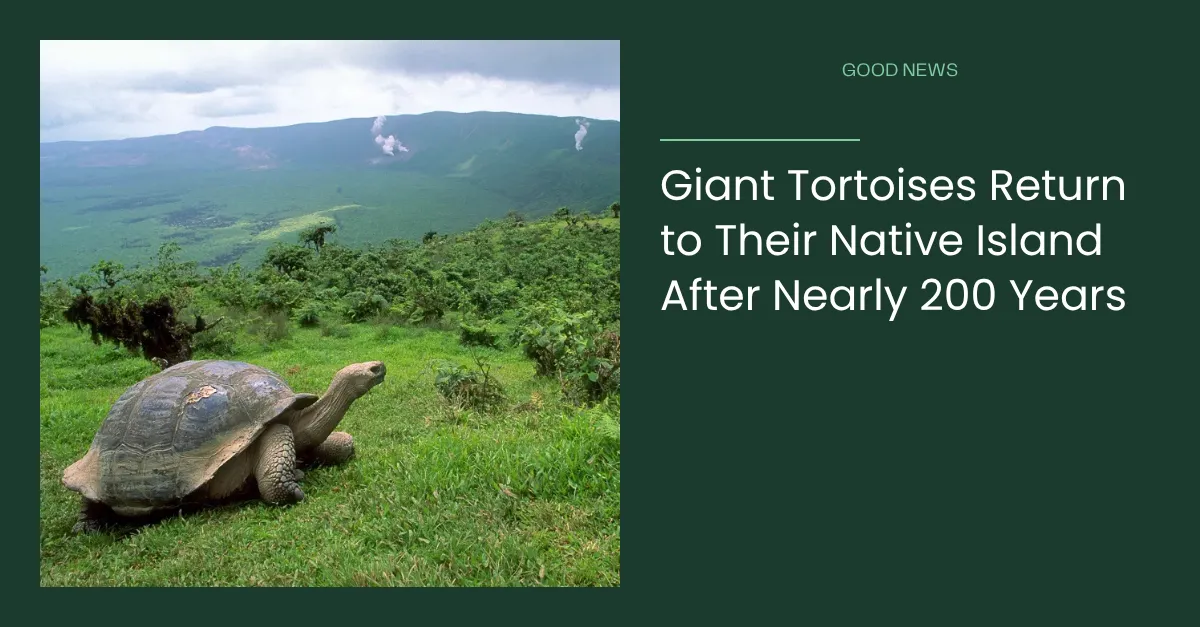
In a remarkable conservation success, giant tortoises have returned to their native island for the first time in nearly 200 years, marking a historic milestone in wildlife restoration. After disappearing due to overhunting and the introduction of invasive species during the 19th century, these gentle giants are once again roaming the landscapes where they evolved over thousands of years.
The return represents decades of dedication by conservationists, scientists, wildlife organizations, and local authorities who worked tirelessly to restore the island's ecosystem and give the species a second chance.
This inspiring achievement demonstrates that even species lost from their natural habitats for generations can make an extraordinary comeback through science, collaboration, and long-term conservation efforts.
A Journey Back Home
For nearly two centuries, giant tortoises were absent from their native island. Human activities, including excessive hunting by sailors and settlers, along with habitat degradation and invasive animals, led to their disappearance.
Without these large herbivores, the island's ecosystem gradually changed. Giant tortoises play a crucial role in maintaining healthy landscapes by grazing vegetation, dispersing seeds, and creating pathways that benefit countless other species.
Recognizing their ecological importance, conservation teams launched an ambitious restoration program aimed at rebuilding suitable habitats and carefully reintroducing captive-bred tortoises to their ancestral home.
After years of careful planning, habitat restoration, and ecological monitoring, the long-awaited return has finally become a reality.
Nature's Gardeners
Giant tortoises are often called "ecosystem engineers" because of the important role they play in shaping their environment.
As they move across the landscape searching for food, they disperse seeds over long distances, helping native plants regenerate naturally. Their grazing prevents certain plant species from becoming overgrown, allowing a wider variety of vegetation to flourish.
Their movement also creates natural trails used by smaller animals and contributes to healthier ecosystems throughout the island.
By restoring giant tortoise populations, conservationists are helping revive entire ecological processes that had been missing for generations.
A Carefully Managed Conservation Success
The reintroduction followed years of scientific research and habitat preparation.
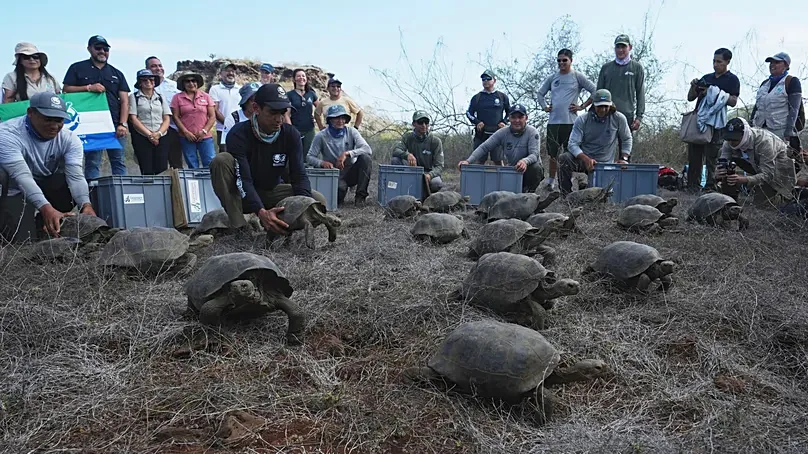
credit - Euronews
Experts first worked to remove invasive species that threatened native wildlife and restored damaged vegetation to create suitable living conditions. Each tortoise underwent health assessments before being transported to the island, ensuring they could adapt successfully to their new environment.
After release, wildlife specialists continued monitoring the tortoises using tracking technologies and regular field observations.
Early reports indicate that the animals are adapting well, exploring their surroundings, feeding naturally, and beginning to reclaim their historic role within the ecosystem.
Benefits Beyond One Species
The return of giant tortoises is about much more than saving a single species.
As native plants regenerate and biodiversity increases, many birds, reptiles, insects, and smaller mammals also benefit from healthier habitats. Restored ecosystems become more resilient to environmental changes while providing valuable opportunities for scientific research and environmental education.
The project also demonstrates how restoring one key species can create positive ripple effects throughout an entire ecosystem.
These ecological benefits are expected to continue growing as future generations of tortoises establish themselves on the island.
A Model for Global Conservation
The success of this reintroduction is inspiring conservation programs around the world.
Many restoration projects now focus not only on protecting endangered animals but also on rebuilding the ecological relationships that sustain healthy environments.
The giant tortoise's return shows that patient, science-based conservation can reverse centuries of environmental damage and restore ecosystems once thought to be permanently altered.
It serves as a model for future wildlife recovery efforts across islands and mainland habitats alike.
Looking Ahead
Conservationists will continue monitoring the tortoise population to ensure it remains healthy and self-sustaining. Ongoing habitat management and ecological research will help support the long-term success of the restoration program.
The hope is that future generations will witness thriving populations of giant tortoises living naturally on the island, contributing to a fully functioning ecosystem once again.
This remarkable comeback reminds us that with commitment and collaboration, nature has an incredible capacity for renewal.
The Positive Takeaway
The return of giant tortoises to their native island after nearly 200 years is a powerful symbol of hope for wildlife conservation. It proves that dedicated restoration efforts can bring lost species back to their natural habitats, rebuild ecosystems, and inspire future generations to protect the extraordinary biodiversity of our planet.
Stay Inspired
Get a daily dose of positivity delivered to your inbox.