Costa Rica Continues to Run Mostly on Renewable Energy
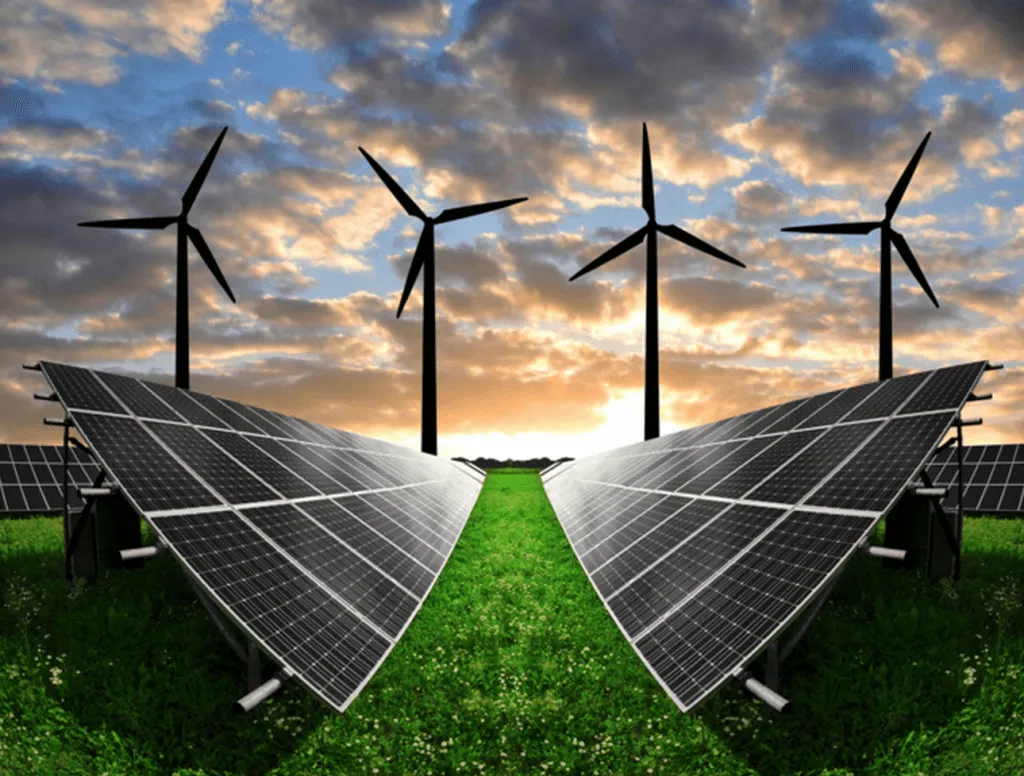
In a world where many countries are still struggling to reduce their reliance on fossil fuels, Costa Rica stands out as a remarkable example of what is possible when political will, natural resources, and long-term planning align. For years, this small Central American nation has generated the vast majority of its electricity from renewable sources, consistently demonstrating that clean energy is not just an aspiration but a practical reality.
A Long-Term Commitment to Clean Energy
Costa Rica’s renewable energy success did not happen overnight. The country began investing in hydroelectric power as early as the mid-20th century. Over decades, it expanded its renewable portfolio to include geothermal, wind, solar, and biomass energy. This diversified approach has allowed Costa Rica to maintain energy stability even during seasonal changes that affect rainfall or wind patterns.
Unlike many nations that still depend heavily on coal or oil for electricity generation, Costa Rica has repeatedly achieved years in which nearly all of its electricity came from renewable sources. In some years, the country has run for more than 98% of the time on renewable electricity, a figure that places it among global leaders in clean energy production.
This achievement reflects deliberate national policy. Successive governments have supported renewable energy development, and strong public institutions have helped ensure consistent progress. The country’s public utility company has played a central role in planning and managing the transition, emphasizing long-term sustainability over short-term profit.
Harnessing Natural Advantages
Costa Rica’s geography has given it significant renewable energy potential. Mountainous terrain and abundant rivers make hydroelectric power a natural choice. Hydropower remains the backbone of the country’s electricity system, often contributing the largest share of generation.
In addition, Costa Rica sits along the Pacific “Ring of Fire,” which provides access to geothermal energy. By tapping heat from beneath the Earth’s surface, geothermal plants produce reliable electricity regardless of weather conditions. This stability complements other renewable sources that may fluctuate seasonally.
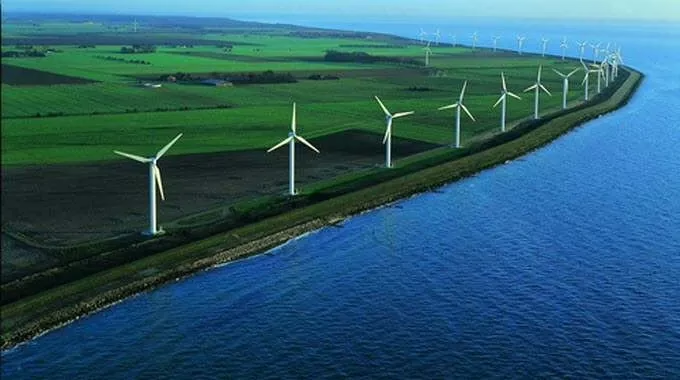
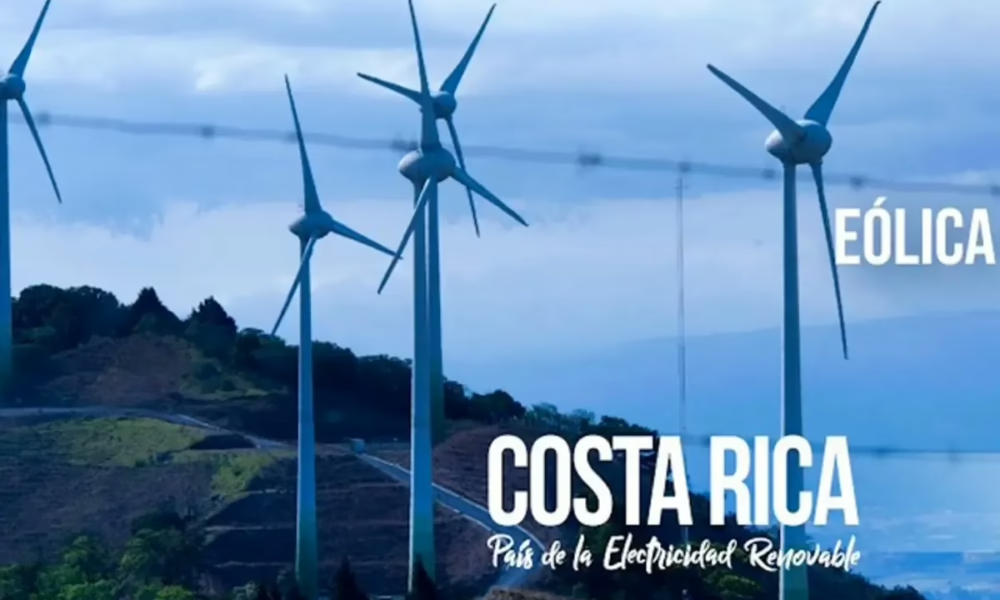
Wind farms have also become an important part of the energy mix, particularly in regions where strong, consistent winds prevail. Solar energy, while contributing a smaller share compared to hydro and geothermal, continues to expand as technology becomes more affordable.
By combining multiple renewable sources, Costa Rica has built a resilient system capable of adapting to environmental variability. During dry seasons, when hydroelectric output may decrease, wind and geothermal energy help fill the gap. This integrated approach has proven crucial in maintaining high renewable percentages year after year.
Environmental and Economic Benefits
Running mostly on renewable energy has brought clear environmental advantages. Costa Rica’s electricity sector produces far fewer greenhouse gas emissions than systems dependent on fossil fuels. This aligns with the country’s broader environmental goals, including its well-known commitment to conservation and biodiversity protection.
Costa Rica has pledged to achieve net-zero emissions in the coming decades. Clean electricity is a major pillar of that strategy, supporting efforts to electrify transportation and reduce carbon output across other sectors.
The economic benefits are also significant. By relying primarily on domestic renewable resources, Costa Rica reduces its exposure to volatile international oil prices. This energy independence enhances economic stability and shields consumers from sudden price spikes linked to global fuel markets.
Moreover, renewable energy development has created jobs in engineering, construction, maintenance, and environmental management. The country has also positioned itself as a model for sustainable development, attracting environmentally conscious tourists and investors who value green credentials.
Challenges Beyond Electricity
Despite its impressive electricity record, Costa Rica still faces challenges in fully decarbonizing its economy. Transportation remains one of the largest sources of greenhouse gas emissions, largely because vehicles continue to rely on gasoline and diesel.
To address this, the government has promoted electric vehicles and invested in charging infrastructure. Public transportation improvements and rail modernization projects are also part of the strategy to reduce emissions from cars and buses.
Industry and agriculture present additional challenges. While clean electricity provides a strong foundation, transitioning other sectors requires continued innovation, investment, and policy support.
Climate change itself poses risks. Extended droughts linked to changing weather patterns can affect hydroelectric output. Costa Rica’s diversified renewable portfolio helps mitigate this vulnerability, but careful management remains essential to ensure long-term resilience.
Global Recognition and Inspiration
Costa Rica’s achievements have earned international recognition. Environmental organizations, policymakers, and energy experts frequently cite the country as evidence that renewable energy can power a modern economy.
Although Costa Rica is smaller in population and land area than many nations, its experience offers lessons that can be adapted elsewhere. Key takeaways include:
- The importance of long-term planning and consistent policy support
- Investment in diverse renewable sources rather than reliance on a single technology
- Strong public institutions to coordinate and manage energy systems
- Public support for environmental protection and sustainability
Countries with different geographic conditions may not replicate Costa Rica’s exact energy mix, but they can adopt similar principles of diversification and strategic commitment.
A Broader Environmental Ethos
Costa Rica’s renewable energy leadership is part of a wider national philosophy that prioritizes environmental stewardship. The country abolished its military in 1948, redirecting resources toward education, healthcare, and environmental protection. It has established extensive national parks and protected areas, safeguarding forests and wildlife.
Reforestation efforts have helped Costa Rica reverse deforestation trends seen in past decades. Today, more than half of the country’s land area is covered by forest, a remarkable turnaround that complements its clean energy achievements.
This broader environmental ethos reinforces public support for renewable energy policies. Citizens widely recognize the link between sustainability, economic well-being, and quality of life.
Looking Ahead
As technology advances and global climate pressures intensify, Costa Rica continues refining its energy strategy. Expanding solar capacity, enhancing grid storage, and strengthening regional energy cooperation are all under consideration.
The country’s experience demonstrates that renewable energy is not limited to wealthy or industrialized nations. With strategic planning, natural resource management, and sustained political will, even smaller economies can lead the way in addressing climate change.
Costa Rica’s journey underscores an encouraging message: transitioning to clean energy is achievable. While each nation’s path will differ, the example set by this Central American country offers hope and practical insight for a more sustainable future.
By continuing to invest in renewable sources and tackling remaining emissions challenges, Costa Rica reinforces its role as a global pioneer in green energy. In an era defined by environmental urgency, its story stands as a powerful reminder that meaningful progress is possible—and already happening.
Stay Inspired
Get a daily dose of positivity delivered to your inbox.