Adopt a Bench: How a Small Italian Town Turned Benches Into Community and Connection
In a quaint, sun-soaked town in Italy, where cobblestone streets wind past centuries-old cafés and the smell of freshly baked pastries drifts through the piazza, a quiet revolution has been taking place. It doesn’t involve grand policies, expensive infrastructure, or viral social media campaigns. Instead, it started with something small, simple, and surprisingly powerful: benches.
In a quaint, sun-soaked town in Italy, where cobblestone streets wind past centuries-old cafés and the smell of freshly baked pastries drifts through the piazza, a quiet revolution has been taking place. It doesn’t involve grand policies, expensive infrastructure, or viral social media campaigns. Instead, it started with something small, simple, and surprisingly powerful: benches.
This town recently launched an initiative called “Adopt a Bench,” where residents, families, and local businesses take responsibility for caring for public benches in parks, piazzas, and walking paths. It’s a project that has not only revived neglected public spaces but also reignited a sense of connection, pride, and community spirit.
Table of contents
- The Spark of an Idea
- What “Adopt a Bench” Means in Practice
- More Than Furniture: Benches as Symbols of Connection
- Stories Behind the Benches
- Community Pride Through Small Acts
- Intergenerational Engagement
- A Ripple Effect Beyond the Town
- The Emotional Impact
- The Wider Message
- Celebrating Success: Stories of Residents and Benches
- Challenges and Triumphs
- Looking Forward: Growing the Movement
- Why This Story Matters Today
- A Final Reflection
The Spark of an Idea
The project began when a local resident, Sofia Rossi, noticed the state of the town’s benches. Many were chipped, unstable, or overgrown with weeds. Others were weathered by decades of sun and rain, standing silently as a reminder of neglect.
Sofia, a schoolteacher, realized that while the municipal budget was limited, the community itself had untapped energy. She proposed a simple idea to the town council: what if the residents could “adopt” a bench, caring for it as their own, decorating it, painting it, or maintaining it in small ways?
The council agreed, intrigued by the idea’s simplicity and potential impact. Soon, a modest sign went up in the main piazza:
“Adopt a Bench — Care for a Bench, Connect with Your Community.”
It invited locals to sponsor a bench, promising nothing in return except the satisfaction of contributing to something larger than themselves.
What “Adopt a Bench” Means in Practice
Adopting a bench isn’t complicated. Residents or groups commit to small, manageable tasks:
- Cleaning and sweeping around the bench.
- Repainting worn wooden slats.
- Adding decorative touches, like flower pots, mosaics, or engraved plaques.
- Occasionally reporting structural issues so the municipal team can assist.
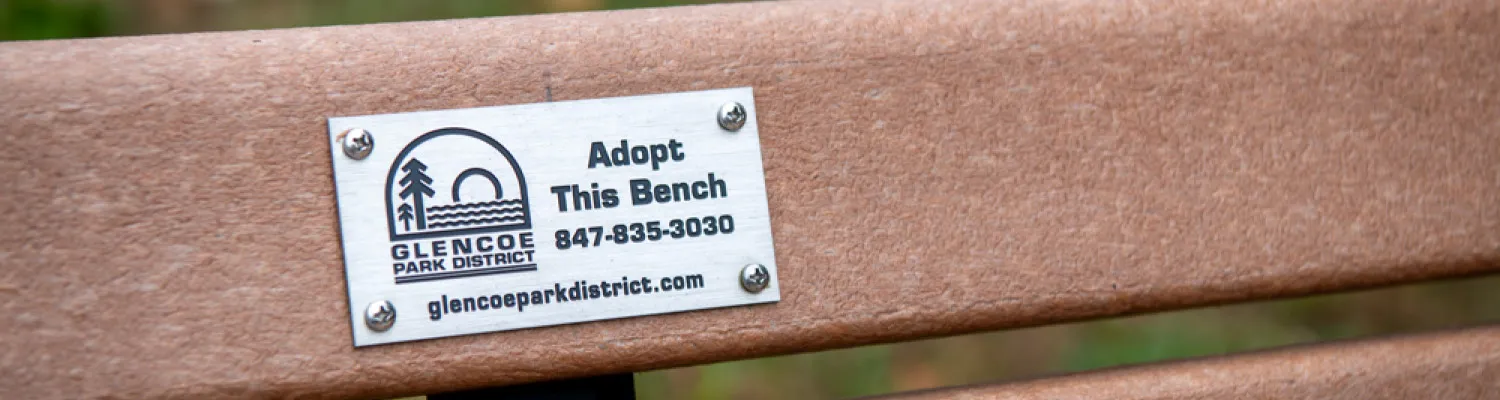
In return, adopters may place a small plaque near the bench acknowledging their contribution. Some leave heartfelt messages or quotes about community, hope, or joy. Each bench becomes not just a public seat but a story.
Sofia explains:
“It’s not about ownership. It’s about responsibility, care, and creating moments of connection. When people sit on a bench that someone has nurtured, they feel a little spark of shared humanity.”
More Than Furniture: Benches as Symbols of Connection
While the project may sound like it’s about wood and metal, it quickly became about people.
The act of adopting a bench encouraged neighbors to interact. Elderly residents who had been isolated found themselves volunteering, children were taught the value of civic responsibility, and families discovered a shared activity that didn’t involve screens or schedules.
Luca, a local café owner who adopted a bench in the main piazza, noted:
“It’s amazing how many conversations start simply because people notice the flowers we planted around the bench. Strangers pause, children play, and suddenly the bench is more than just a place to sit.”
Stories Behind the Benches
Every bench tells a story:
- The Artist’s Bench: Decorated with colorful mosaics by local art students, it has become a favorite spot for tourists and photographers.
- The Memory Bench: Adopted by a couple in memory of a late family member, a small plaque reads, “For moments of reflection.”
- The Children’s Bench: Painted by schoolchildren, it features whimsical designs of the town skyline and local animals, symbolizing the town’s investment in future generations.
These benches have turned mundane public spaces into places of pride, reflection, and creativity.
Community Pride Through Small Acts
The beauty of the initiative lies in its simplicity. Residents do not require training, certifications, or large donations to participate. The project’s focus is on small, meaningful contributions, which ultimately create a profound sense of collective pride.
Sofia observed:
“One person might paint a bench. Another might sweep leaves. A third might plant flowers nearby. No single action is huge, but together, it transforms the town.”
Indeed, what began as a few neglected benches has become a living gallery of community spirit, where each bench reflects the personality and care of the people who adopted it.
Intergenerational Engagement
One of the project’s most remarkable outcomes is the involvement of multiple generations.
- Elderly residents, often the most isolated, have found joy in regular outdoor activity and interaction with younger neighbors.
- Children learn the importance of caring for shared spaces, understanding that their small actions can make a tangible difference.
- Teenagers who initially resisted volunteering now proudly display their creativity by decorating benches with murals or planting flower boxes.
Maria, a grandmother who adopted a bench near the playground, shared:
“I thought I was too old to help, but painting a bench and planting flowers keeps me busy and gives me a reason to meet people. The kids love it too—they run over to show me their artwork, and we talk about school and books. It’s wonderful.”
A Ripple Effect Beyond the Town
The town’s initiative has begun to inspire neighboring villages. Local newspapers highlight individual benches, telling stories of those who adopted them and the messages they display. Other communities are exploring similar “adopt a” projects, from lamp posts and flower beds to playground equipment.
Tourists visiting the town often comment on the charm and thoughtfulness embedded in each bench. For many, these benches are no longer just a place to rest—they are a symbol of civic pride, kindness, and community connection.
The Emotional Impact
The project’s effects are not merely aesthetic. They resonate emotionally with residents and visitors alike:
- Benches provide quiet spaces for reflection, reading, or conversations.
- They create shared memories for families, children, and friends.
- They serve as informal meeting points for neighbors who might otherwise never interact.
Paolo, a local high school teacher, reflected:
“I often bring my students here to discuss books, art, or history. Sitting on a bench adopted by someone in the community reminds them that their town is a living, breathing place shaped by people who care.”
The Wider Message
“Adopt a Bench” is more than a local initiative; it’s a lesson in civic engagement. It reminds us that meaningful change does not always require money, political influence, or grand gestures. Sometimes, small acts done consistently with heart can transform a community.
The project teaches:
- Responsibility: Citizens can actively care for shared spaces.
- Empathy: Simple gestures—like planting flowers around a bench—demonstrate thoughtfulness and consideration.
- Connection: Shared goals foster interaction between residents who might otherwise remain strangers.
- Legacy: Each bench leaves a lasting imprint, visible for years to come.
Celebrating Success: Stories of Residents and Benches
Some stories illustrate the initiative’s profound impact:
- The Teacher’s Bench: A young teacher adopted a bench outside the school. Students now use it as an informal classroom space, reading together or brainstorming ideas.
- The Musician’s Bench: A retired violinist added a small plaque with a quote from a famous composer and occasionally plays near the bench, delighting passersby.
- The Poet’s Bench: One resident installed a tiny weatherproof box with poetry sheets for anyone who wants to take a poem and leave one of their own.
These benches are more than public furniture—they are hubs of culture, creativity, and human connection.
Challenges and Triumphs
Like any community project, “Adopt a Bench” has faced challenges:
- Ensuring that benches are maintained regularly requires consistent engagement.
- Weather can damage paint, wood, and decorations.
- Coordinating multiple residents, especially across different neighborhoods, requires communication and planning.
Yet these challenges have only strengthened the community. Volunteers have organized monthly “bench care days” where participants gather to repaint, plant, and repair together. These events double as social gatherings, complete with coffee, pastries, and storytelling.
Sofia remarked:
“Even small obstacles become opportunities for the community to come together. It’s amazing how much laughter, conversation, and creativity a few benches can spark.”
Looking Forward: Growing the Movement
The town council is now exploring ways to expand the initiative. Ideas include:
- Adopt a Tree: Encouraging residents to care for trees in public parks.
- Adopt a Playground: Sponsoring the maintenance of small playground areas.
- Art Installations: Encouraging local artists to create temporary public artworks.
The goal is simple: to cultivate pride, connection, and a shared sense of responsibility for public spaces.
Why This Story Matters Today
In a fast-paced world where people often feel disconnected from their neighbors, initiatives like “Adopt a Bench” demonstrate the power of small, intentional acts of community care. They show that:
- Local action can have a profound impact.
- Civic engagement does not need to be complicated to be meaningful.
- Shared responsibility strengthens trust and human connection.
- Community pride grows when people feel that their contributions matter.
It’s a reminder that change doesn’t always start with grand gestures; it often starts with small, thoughtful actions that grow into movements.
A Final Reflection
Every bench tells a story. Some are stories of memory, others of hope. Some tell of creativity, some of simple generosity.
When someone sits down on an adopted bench to rest, chat, or reflect, they are participating in a living tapestry of community care. They are sitting on the proof that people, when given a chance, will choose kindness, pride, and connection over indifference.
In this small Italian town, benches are more than wood and nails. They are symbols of a society that believes in the power of small acts to create lasting change.
And perhaps the greatest lesson of all is this:
You don’t need grand gestures to make a difference. Sometimes, all it takes is a bench, a little care, and a community willing to show up.
When Small Ideas Create Stronger Communities
If this story moved you with how a simple bench became a symbol of belonging and connection, here are a few more reads that celebrate community spirit, shared spaces, and the quiet power of togetherness:
- Mindfulness in Community: Finding Connection in Shared Silence – Discover how presence and shared moments strengthen bonds between people.
- The Repair Café Bus: Brazilian College Students Are Reviving Communities, One Fix at a Time – See how small, thoughtful actions can rebuild trust, skills, and local connections.
- A Kinder World: New Data Shows Compassion Still Trending Up – A hopeful reminder that kindness and community care are quietly growing worldwide.
Looking for Gentle Reminders of Human Connection?
Kindness Quotes – A heart-warming collection of quotes that celebrate empathy, community, and the beauty of simple human moments.
Stay Inspired
Get a daily dose of positivity delivered to your inbox.